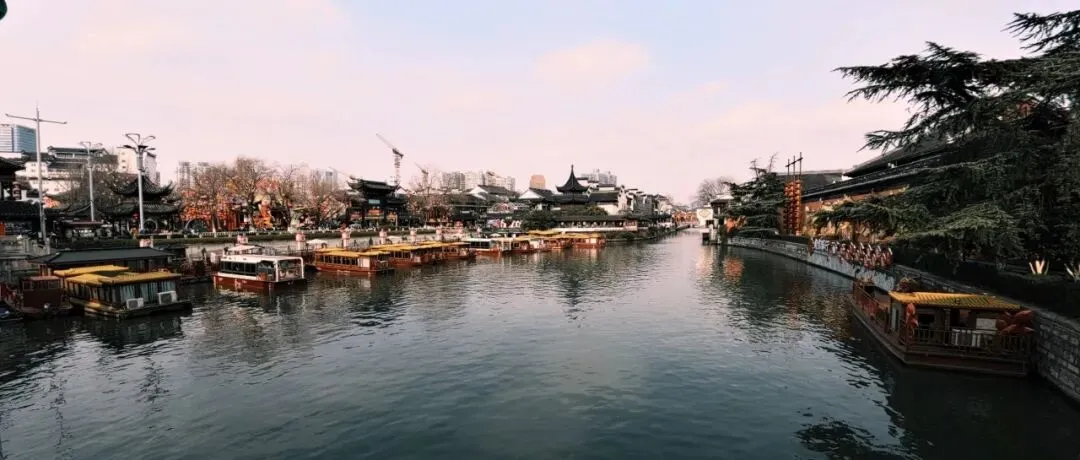
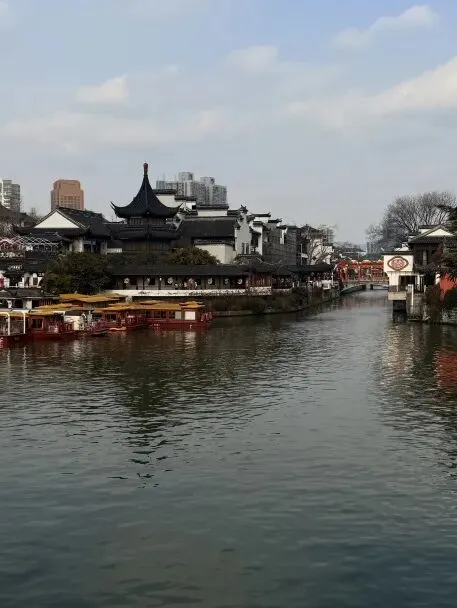
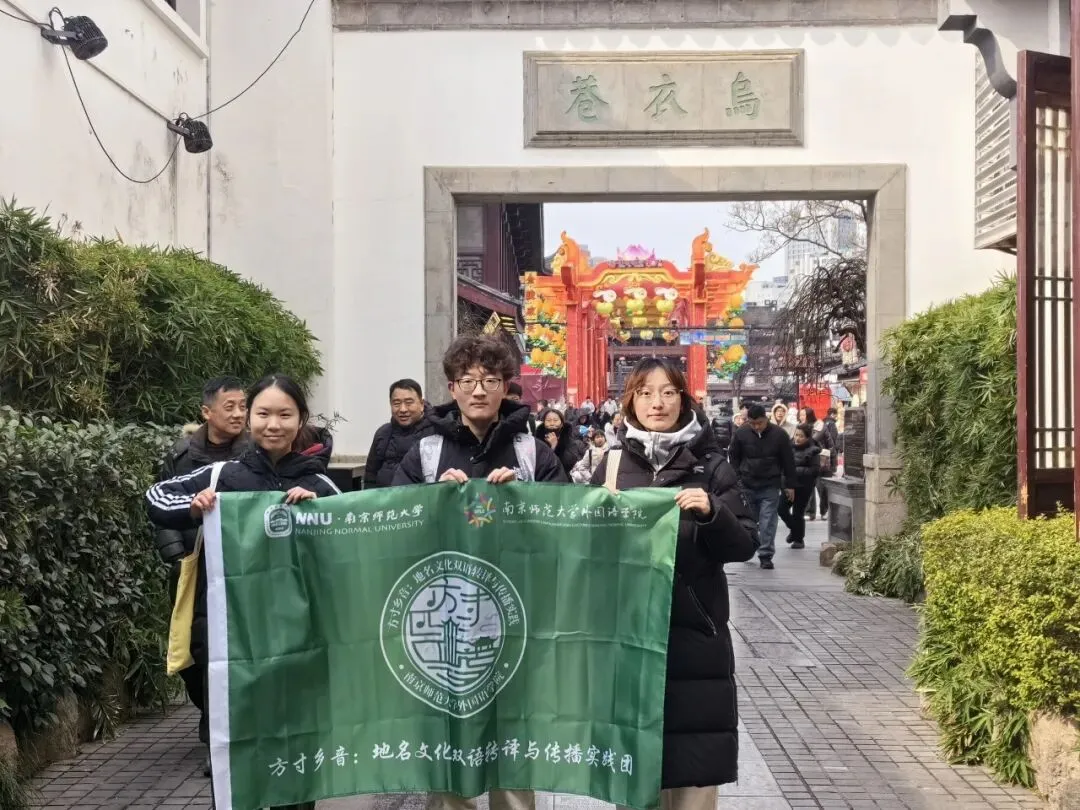
Beyond the lively atmosphere of Confucius Temple and the shimmering ripples of Qinhuai River lies a tranquil alley about a hundred meters long—Wuyi Lane.
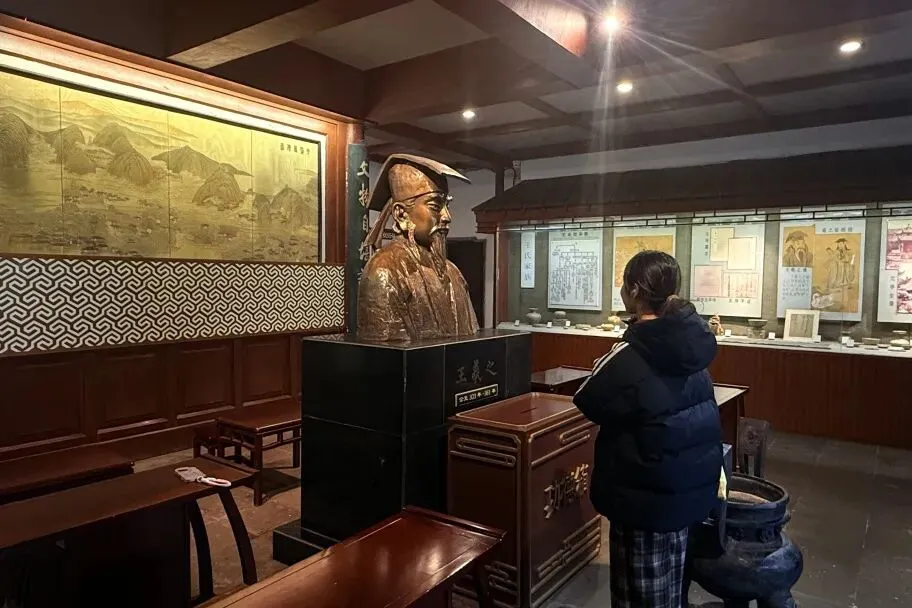
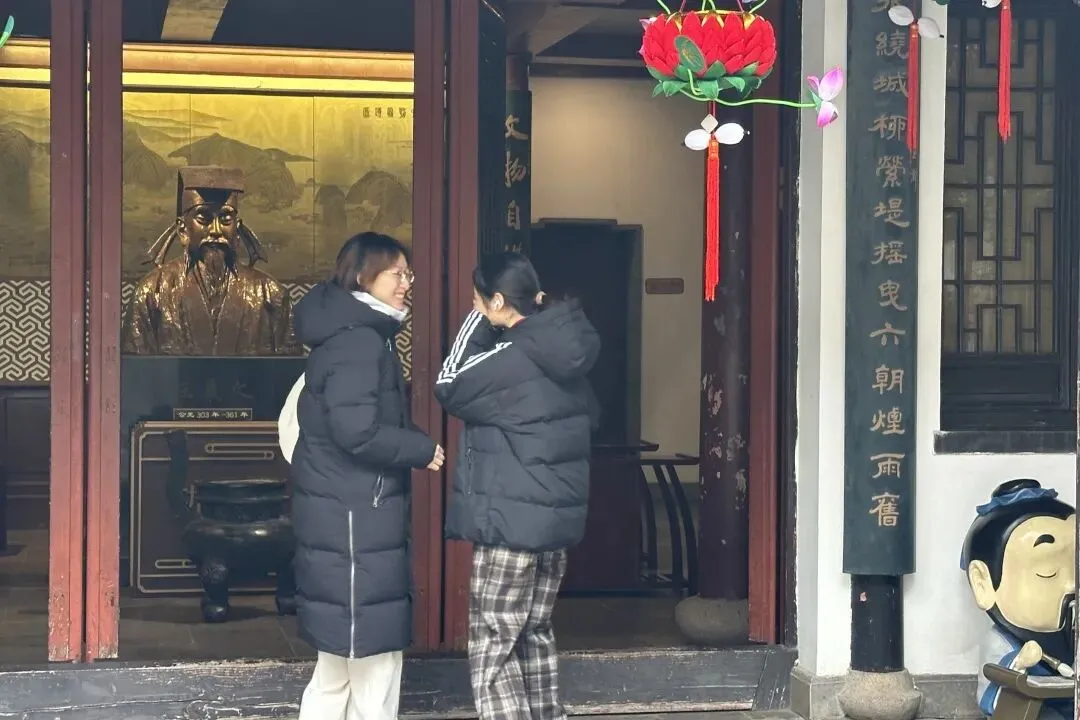
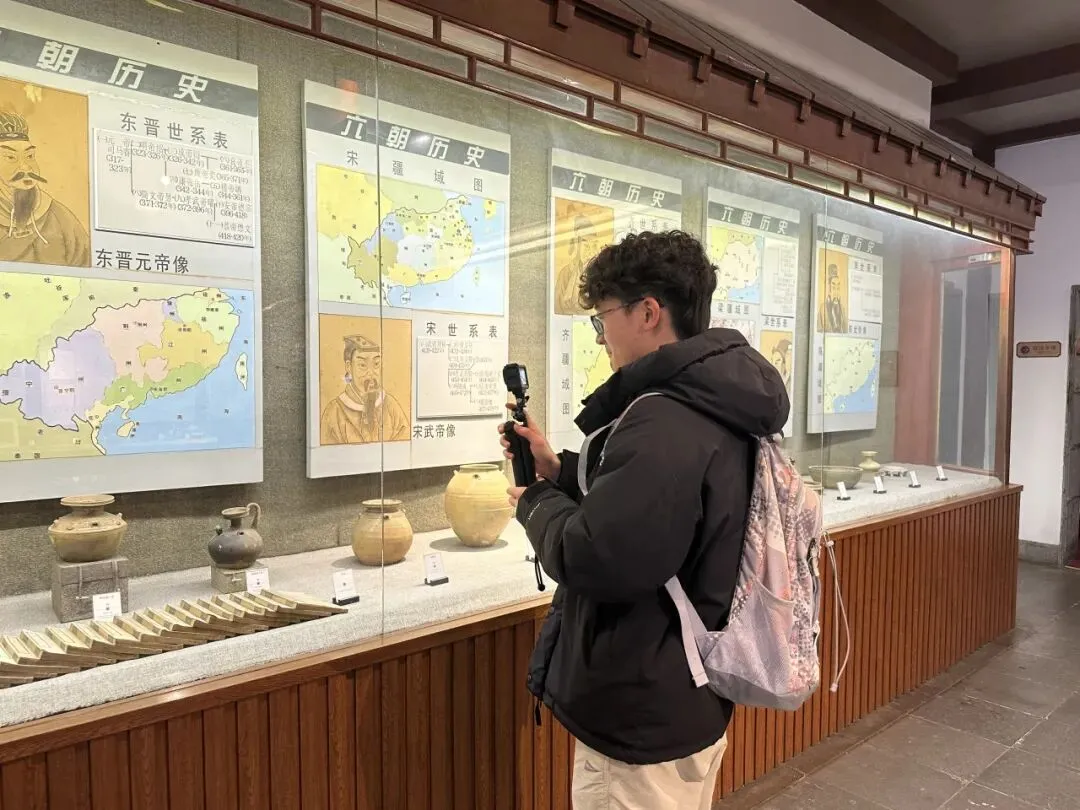
Its name dates back to the Three Kingdoms period, derived from the “Black-Clothed Barracks” stationed here by the Eastern Wu. However, what truly illuminated history were the two prominent families of the Eastern Jin Dynasty—the Wang and Xie clans—who once resided here. This lane witnessed the footsteps of calligraphy sage Wang Xizhi and statesman Xie An, carrying within it half of the cultural legacy of the Six Dynasties.
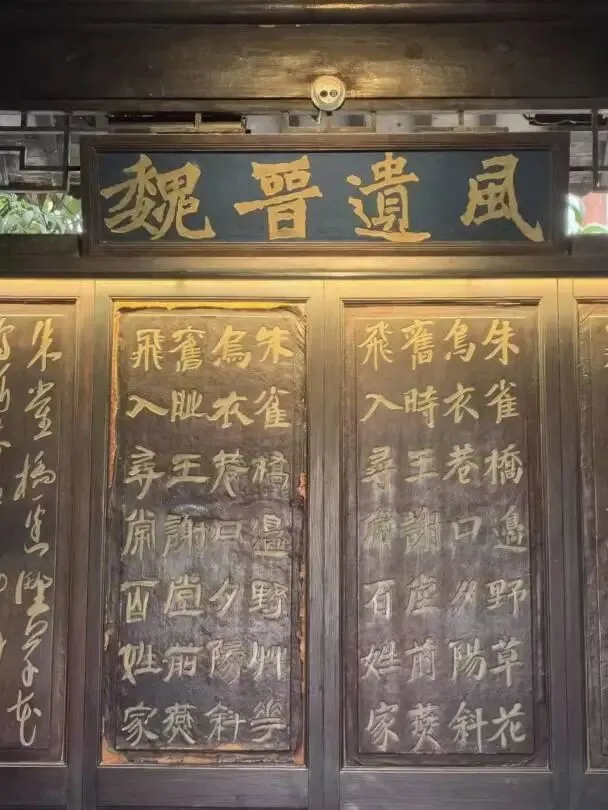
The Tang Dynasty poet Liu Yuxi immortalized the lane with his verse: “Swallows that skimmed by painted eaves in bygone days / Are dipping now among the humble homes’ doorways.” This made Wuyi Lane one of the most iconic literary images in Chinese culture—no longer just a geographical marker, but a symbol of the ebb and flow of time,
of glory and decline.
Today, the cobblestone path remains unchanged, and the white walls with dark tiles stand as they always have. Strolling through, one finds the romantic memories of the Six Dynasties on the left and the vibrant pulse of modern life on the right—history has never truly left; it simply lingers anew, alive in the sunset glow and the swallows soaring at the lane's entrance.