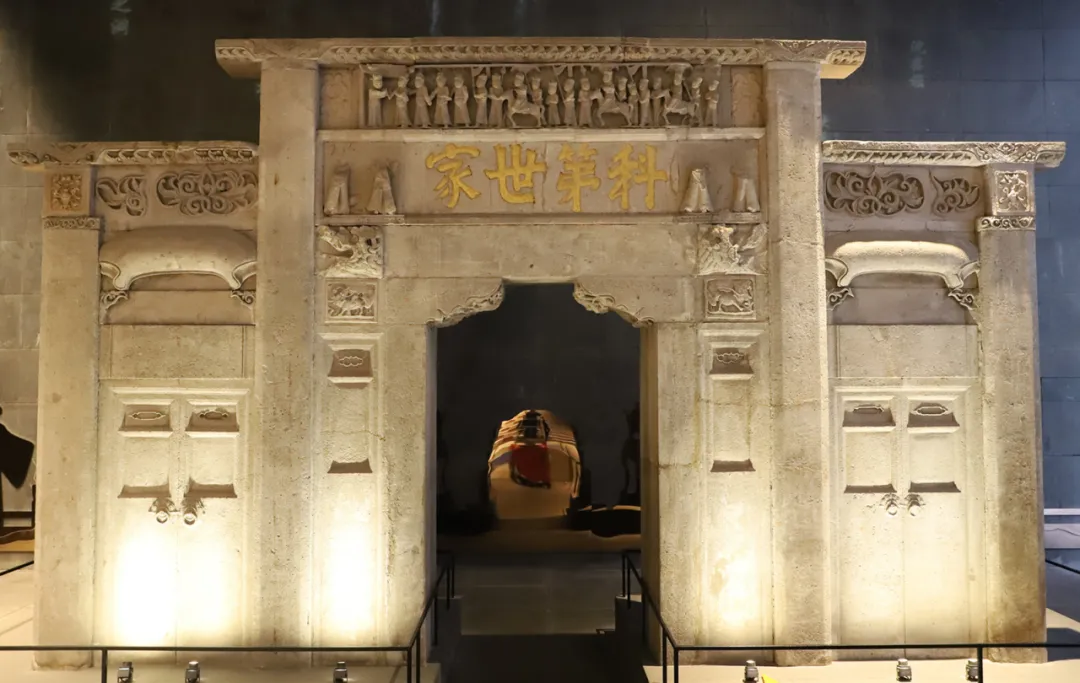
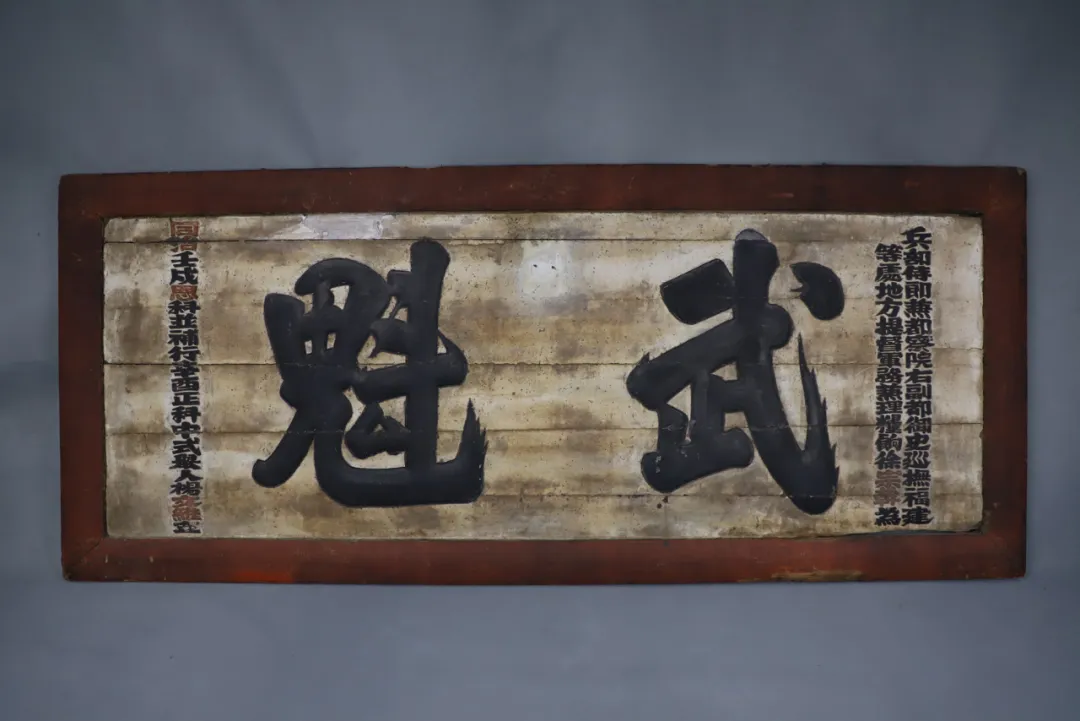
This "Kedi Family" stone memorial archway is a signature exhibit in the Hall of Preface of the Nanjing China Imperial Examination Museum. It is a family monument bestowed by Zhu Yuanzhang, the founding emperor of the Ming Dynasty, upon Wu Bozong, the first Zhuangyuan of the Ming Dynasty.
The term "Kedi Family" refers to a clan that had multiple members, over generations, attain the Ju Ren degree or higher in the imperial examinations. These families sustained their status through the examination system, representing the emerging gentry class during the Ming and Qing Dynasties.
The Wu Bozong family serves as a quintessential example. From the Southern Song Dynasty through the Ming Dynasty, Wu's great-grandfather, grandfather, father, and brother all achieved the Jinshi or Juren degree. Thus, this archway stands as a tangible symbol of the ancient imperial examination's glory and family lineage.
Regarding the archway's honoree, Wu Bozong, a widely circulated anecdote exists about how he became the Zhuangyuan. In the 4th year of the Hongwu reign (1371), during the palace examination), the chief examiner initially ranked Guo Chong as the first. However, when Emperor Zhu Yuanzhang summoned him, he found Guo's appearance unimpressive and deemed him unsuitable for representing the empire on diplomatic missions. Upon interviewing all the Jinshi candidates, the emperor took a liking to Wu Bozong, who was handsome and whose given name "Bozong" bore auspicious connotations ("Bo" can mean "first" or "foremost"). Consequently, the emperor personally designated Wu Bozong as the Zhuangyuan.