依托南京医科大学国际课程平台,南京医科大学药学院邀请新加坡国立大学杨潞龄医学院药理学系主任、副教授Gavin Stewart Dawe开设《药物如何改变大脑:行为神经科学与神经精神药理学》,课程将于2026年7月27日开启!
Relying on the international course platform of Nanjing Medical University, the School of Pharmacy is pleased to invite Dr. Gavin Stewart Dawe, Associate Professor and Head of the Department of Pharmacology at the Yong Loo Lin School of Medicine, National University of Singapore, to offer the course "How Drugs Change the Brain: Behavioural Neuroscience and Neuropsychopharmacology." The course is scheduled to commence on July 27, 2026.
课程描述 Description of Course
本课程旨在通过讲授现代神经科学与药理学知识,解析行为及脑部疾病治疗的生物学机制,为学生深入理解神经药理学奠定理论基础。在为期3天的课程中,内容涵盖神经精神疾病相关的主要神经递质系统的基础知识,药物对神经环路、行为、认知及情绪的调控机制,常用行为神经科学实验范式及其转化局限性,以及神经精神药理学领域的前沿疗法与新兴技术等相关知识。课程将通过理论授课、小组研讨、协作实践、简短汇报相结合的方式,帮助学生掌握健康与疾病状态下,大脑功能的研究、理解及治疗调控方法。课程评估方式包括课堂参与、作业完成情况及小组展示汇报,旨在提升学生在现代神经科学与药理学领域的综合理解能力与科研素养。课程面向多学科背景学生,涵盖医学、药学、心理学、生物学、神经科学、工程学、人工智能及相关专业。无需具备药理学高阶知识,本科及研究生均适合参与。
This course is designed to elucidate the biological mechanisms underlying behaviour and the treatment of brain disorders by teaching knowledge of modern neuroscience and pharmacology, laying a theoretical foundation for students to gain an in-depth understanding of neuropharmacology. Over the three-day course, topics will cover the fundamentals of major neurotransmitter systems related to neuropsychiatric disorders, the regulatory mechanisms of drugs on neural circuits, behavior, cognition and emotion, common behavioral neuroscience paradigms and their translational limitations, as well as cutting-edge therapies and emerging technologies in the field of neuropsychopharmacology. The course will combine lectures, group discussions, collaborative practices and short presentations to help students master the methods for studying, understanding and therapeutically modulating brain function in both health and disease states. Assessment will include class participation, completion of assignments, and group presentations, aiming to enhance students’ comprehensive understanding and research competence in the fields of modern neuroscience and pharmacology.Designed for students from diverse academic backgrounds, the course is accessible to participants from medicine, pharmacy, psychology, biology, neuroscience, engineering, artificial intelligence, and related disciplines. No advanced prior knowledge of pharmacology is required, and the course is suitable for both undergraduate and postgraduate students.
课程时间为7月 27 日至29 日。本课程学分1.5分,总课时15学时。
The course will be held from July 27 to July 29. It is worth 1.5 academic credits and comprises a total of 15 credit hours.
教授简介 Professor Introduction
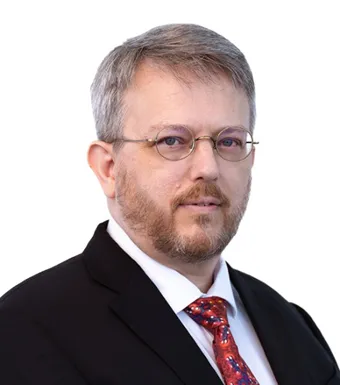
Gavin Stewart Dawe博士,本科毕业于英国爱丁堡大学,获神经科学荣誉理学学士学位;博士毕业于英国伦敦国王学院精神病学研究所,获药理学博士学位;后于美国东弗吉尼亚医学院取得医学与卫生专业教育硕士学位。他曾先后任职于英国伦敦国王学院精神病学研究所(研究员/博士后)、英国伦敦城市大学(心理生物学客座讲师)、英国再生神经元有限公司(高级科学家/研究员)、英国礼来公司(顾问博士后研究员)。2001年加入新加坡国立大学杨潞龄医学院药理学系,任助理教授;2009年晋升为副教授;2020年起担任药理学系主任。同时兼任新加坡国立大学多个核心平台与转化研究项目负责人,是新加坡药理学会创始会员兼会长、亚洲神经精神药理学会理事。
作为生物医学教育工作者,道博士现任新加坡国立大学杨潞龄医学院本科医学课程(第二阶段)主任。曾获新加坡国立大学教学卓越奖、新加坡药理学会教育卓越奖,长期深耕跨学科药理学与神经科学课程设计及教学工作。作为生物医学研究者,道博士的研究聚焦神经精神药理学、神经退行性疾病、G蛋白偶联受体偏向性激动、松弛素-3/RXFP3信号通路、淀粉样前体蛋白相关神经病理等领域。研究横跨转化神经科学、行为药理学与精准医学,致力于为脑部疾病挖掘新型治疗靶点。道博士目前担任新加坡国立大学多项重点研究项目首席研究员,在《科学信号》《先进材料》《药理学与治疗学》等顶级期刊发表多篇学术论文,曾获亚洲神经精神药理学会基础科学家奖、新加坡神经科学协会杰出神经科学家奖、葛兰素史克学术卓越中心研究奖等荣誉。
Dr. Gavin Stewart Dawe earned his Bachelor of Science with Honours in Neuroscience from the University of Edinburgh, UK, his Doctor of Philosophy in Pharmacology from the Institute of Psychiatry, King’s College London, UK, and his Master of Medical and Health Professions Education from Eastern Virginia Medical School, USA .He previously worked as a Researcher/Postdoc at the Institute of Psychiatry, King’s College London, a Visiting Lecturer in Psychobiology at City University London, a Senior Scientist/Investigator at ReNeuron Limited, UK, and a Consultant Postdoctoral Associate at Eli Lilly and Company, UK. He joined the Department of Pharmacology, Yong Loo Lin School of Medicine, National University of Singapore (NUS) as an Assistant Professor in 2001, was promoted to Associate Professor in 2009, and has served as Head of the Department of Pharmacology since 2020. He also holds concurrent roles as Director of multiple core platforms and translational research programmes at NUS, and is a Founding Member and President of the Pharmacological Society (Singapore), as well as a Council Member of the Asian College of Neuropsychopharmacology.
As a biomedical educator, Dr. Dawe serves as Director of Phase II Undergraduate Medical Curriculum at the Yong Loo Lin School of Medicine, NUS. He has received numerous teaching accolades, including the Teaching Excellence Award from NUS and the Education Excellence Award from the Pharmacological Society (Singapore), and is actively involved in designing and delivering interdisciplinary pharmacology and neuroscience education. As a biomedical researcher, Dr. Dawe’s research centres on neuropsychopharmacology, neurodegenerative diseases, G-protein coupled receptor (GPCR) biased agonism, relaxin-3/RXFP3 signaling, and APP-related neuropathology. His work spans translational neuroscience, behavioral pharmacology, and precision medicine, with a focus on developing novel therapeutic targets for brain disorders .Dr. Dawe is currently a Principal Investigator for multiple flagship research programmes at NUS. He has published extensively in top-tier journals including Science Signaling, Advanced Materials, and Pharmacology & Therapeutics, and has been honoured with the Asian College of Neuropsychopharmacology Basic Scientist Award, the Distinguished Neuroscientist Award from the Singapore Neuroscience Association, and the GSK Academic Centre of Excellence Research Award.
课程安排 Course Outline and Assignment
Date | Proposed Topic |
27 July (Monday) Foundations: How Drugs Change Brain Function and Behaviour 基础篇:药物如何改变大脑功能与行为 | Theme:Understanding the biological basis of behaviour and how drugs influence neural systems. 主题:解析行为的生物学基础,及药物对神经系统的调控作用 |
Session 1: Interactive Lecture and Discussion on “From Molecules to Behaviour”(90 min) 第一环节:互动授课与研讨 —— 从分子到行为 |
Part 1 Topics (9:00 am-9:45am, 45 min): What is neuropsychopharmacology? Brain systems underlying emotion, reward, fear, sleep, cognition, addiction. Neurotransmitters: dopamine, noradrenaline, serotonin, GABA, glutamate, acetylcholine, peptide neurotransmitters 第一部分(9:00-9:45, 45 分钟) •神经精神药理学的定义 •情绪、奖赏、恐惧、睡眠、认知、成瘾相关的大脑系统 •神经递质:多巴胺、去甲肾上腺素、5 - 羟色胺、γ- 氨基丁酸、谷氨酸、乙酰胆碱、肽类神经递质 |
Part 2 Topics (10:00am-10:45am, 45 min): •Why drugs alter behaviour •Principles of receptor pharmacology •Brain circuits and systems thinking Interactive activity (live polling/discussion questions): •“Can all behaviour ultimately be altered pharmacologically?” 第二部分(10:00-10:45, 45 分钟) •药物调控行为的机制 •受体药理学基本原理 •大脑神经环路与系统性思维 互动环节(实时投票 / 研讨) •“所有行为最终都能通过药物调控吗?” |
Session 2: Lecture and Interactive Activity on “How Do We Study Behaviour Scientifically?”(90 min) 第二环节:授课与互动实践 —— 如何科学研究行为 |
Part 1 Topics (11:00am-11:45am,45 min): Why rodent models are used Translational neuroscience Behavioural paradigms: oanxiety tests, odepression models, olearning/memory, oaddiction, osocial behaviour •Strengths and limitations of animal models •Ethics in behavioural neuroscience 第一部分(11:00-11:45, 45 分钟) - 啮齿动物模型的应用价值
- 转化神经科学概念
- 行为实验范式:焦虑测试、抑郁模型、学习记忆实验、成瘾模型、社交行为实验
- 动物模型的优势与局限性
·行为神经科学研究伦理 |
Part 2 Interactive activity (14:00-14:45,45 min): Students analyse short videos/images of behavioural experiments and interpret: what behaviour is being measured, what drug effects might mean, and what limitations exist. 第二部分(14:00-14:45, 45 分钟,互动实践) 学生分析行为实验短视频 / 图片,解读: - 实验测量的行为指标
- 药物效应的潜在意义
- 实验存在的局限性
|
Session 3: Group Activity + Student Presentations on “Design a Behavioural Experiment” 第三环节:小组实践 + 学生汇报 —— 设计行为学实验 |
Group research and discussion (15:00-15:45,45 min)Small interdisciplinary groups: •Choose a CNS disease or drug, •Propose: ohypothesis, obehavioural model, oexpected outcomes, olimitations. 第三环节:小组实践 + 学生汇报 —— 设计行为学实验(15:00-15:45,45 分钟) •小组研讨:跨学科小组完成以下任务: o选定一种中枢神经系统疾病或药物 提出:研究假设、行为实验模型、预期结果、实验局限性 |
Groups further develop a proposal on a novel therapeutic approach to their chosen disease or a novel therapeutic repurposing of their chosen drug to present in the final session on the last day.Groups will progressively refine this proposal throughout the course using concepts introduced in subsequent sessions. 延伸任务:小组需进一步设计疾病新型治疗方案或药物新适应症开发方案,并在课程最后环节汇报;后续课程将围绕所学知识,逐步完善方案。 |
28 July (Tuesday) Neuropsychiatric Disorders and Their Pharmacology 神经精神疾病及其药理学 | Theme:Understanding major psychiatric and neurological disorders through circuits, symptoms, and therapeutics. 主题:从神经环路、临床症状、治疗手段,解析主要精神与神经疾病 |
Session 1: Interactive Lecture and Discussion on “Depression, Anxiety and Stress Circuits” 第一环节:互动授课与研讨 —— 抑郁、焦虑与应激神经环路 |
Part 1 Topics (9:00 am-9:45am ,45 min): ·Stress neurobiology ·Depression models ·Anxiety circuits ·Antidepressants: oSSRIs, oSNRIs, oketamine and psychedelics 第一部分(9:00 -9:45, 45 分钟) ·应激神经生物学机制 ·抑郁模型研究 ·焦虑相关神经环路 ·抗抑郁药物:选择性 5 - 羟色胺再摄取抑制剂、5 - 羟色胺 - 去甲肾上腺素再摄取抑制剂、氯胺酮及致幻剂 |
Part 2 Topics (10:00am-10:45am ,45 min): ·Delayed therapeutic onset ·Neuroplasticity and modern theories Interactive discussion: ·Why antidepressants work slowly ·Why placebo responses are powerful ·Future directions in psychiatry 第二部分(10:00-10:45, 45 分钟) ·抗抑郁药物起效延迟的原因 ·神经可塑性与现代发病机制理论 互动研讨 ·抗抑郁药物起效缓慢的原因 ·安慰剂效应显著的机制 ·精神病学未来研究方向 |
Session 2: Interactive Lecture and Case-Based Learning on “Addiction, Reward and Dopamine” 第二环节:互动授课与案例教学 —— 成瘾、奖赏与多巴胺 |
Part 1 Topics (11:00am-11:45am ,45 min): ·Reward circuitry ·Dopamine and reinforcement ·Substance use disorders ·Opioids ·Psychostimulants ·Cannabis ·Behavioural addiction ·Why addiction is difficult to treat 第一部分(11:00-11:45, 45 分钟) ·奖赏神经环路机制 ·多巴胺与行为强化 ·物质使用障碍 ·阿片类药物、精神兴奋剂、大麻的作用机制 ·行为成瘾 ·成瘾治疗的难点 |
Part 2 Interactive cases (14:00-14:45,45 min): Students interpret fictional patient cases involving: ·stimulant misuse, ·opioid overdose, ·behavioural addiction, ·withdrawal states. 第二部分案例研讨(14:00-14:45, 45 分钟) 学生解读虚构临床案例,涵盖: |
Session 3: Student Debate / Discussion on “Are Cognitive Enhancement Drugs Effective and Should Limitations Be Imposed on Their Use Be Allowed?” 第三环节:学生辩论 / 研讨 —— 认知增强药物的有效性及使用限制 |
Student debate/discussion (15:00-15:45,45 min): Student groups take positions for or against selected themes: ·ADHD stimulants ·Memory enhancement ·AI + neuroenhancement ·Ethics of brain enhancement ·Performance-enhancing drugs 学生分组就以下主题展开辩论: ·注意力缺陷多动障碍兴奋剂 ·记忆增强药物 ·人工智能与神经增强 ·大脑增强技术的伦理问题 ·运动表现增强药物 |
29 July (Wednesday) Frontiers of Neuropsychopharmacology 神经精神药理学前沿 | Theme:Future therapeutics, AI, precision medicine, and emerging neuroscience. 主题:未来脑部疾病治疗、人工智能、精准医学与新兴神经科学技术 |
Session 1: Integrated Interactive Lecture and Discussion Session on “The Future of Brain Therapeutics and AI in Neuropsychopharmacology” 第一环节:综合互动授课与研讨 —— 脑部疾病治疗未来与人工智能在神经精神药理学中的应用 |
Part 1 Topics (9:00 am-9:45am ,45 min): ·GPCR signalling ·Modern receptor signalling and biased agonism ·Peptide therapeutics ·GLP-1, relaxins and brain function ·Live interactive polling/discussion 第一部分(9:00-9:45 ,45 分钟) ·G 蛋白偶联受体信号通路 ·受体信号与偏向性激动 ·肽类药物研发 ·胰高血糖素样肽 - 1、松弛素与大脑功能 ·实时互动投票 / 研讨 |
Part 2 Topics (10:00am-10:45am,45 min): ·Precision medicine ·Drug repurposing ·Neuromodulation ·Brain-machine interfaces ·Live interactive polling/discussion 第二部分(10:00-10:45 ,45 分钟) ·精准医学 ·药物重定位 ·神经调控技术 ·脑机接口 ·实时互动投票 / 研讨 |
Part 3 Topics (11:00am-11:45am, 45 min): ·AI in pharmacology ·Structure prediction ·Large-scale biological data (omics) ·Ethical concerns and limitations of AI ·Live interactive polling/discussion 第三部分(11:00-11:45, 45 分钟) ·人工智能在药理学中的应用 ·蛋白质结构预测 ·大规模生物数据(组学)分析 ·人工智能应用的伦理风险与局限性 ·实时互动投票 / 研讨 |
Session 2: Final Student Symposium on “Future Brain Therapies” 第二环节(90 分钟):学生终期研讨会 —— 未来脑部疾病治疗方案 |
Groups present: ·their therapeutic idea, ·scientific rationale, ·risks/limitations, ·societal implications. Presentation duration will depend on class size. Final open Q&A session. 各小组汇报前期设计的研究方案,内容包括: ·治疗方案核心思路 ·科学理论依据 ·潜在风险与局限性 ·社会影响分析 汇报时长根据课程人数调整,汇报后开放问答环节。 |
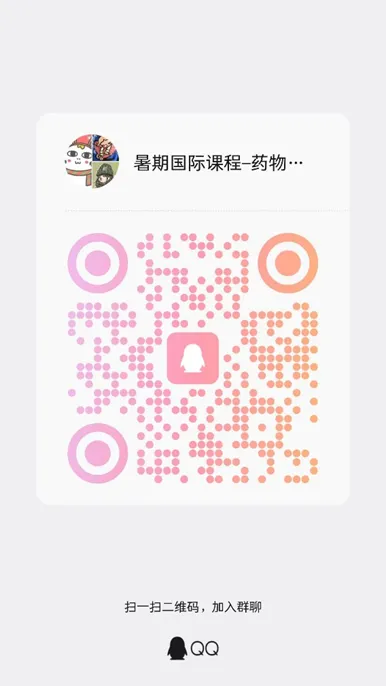
报名与安排 Registration and Arrangement如果您想要报名可于2026年7月24日前通过QQ扫码入群,本次课程学习免费,本科生及研究生均适合参与,报满25人为止。如有其他问题可在QQ群内咨询相关信息。If you want to register, you can enter the group through QQ scan code before July 24, 2026, this course is free and mainly for graduate students, and the enrollment is up to 25 students. If you have any other questions, please consult the relevant information in the QQ group.联络人
协调专员:胡晔晨
课程助理:张悦
授课地点:学海楼D104
Contacts
Coordinator: Yechen Hu
Assistant: Yue Zhang
Location: Nanjing Medical University, Jiangning Campus, Xuehai Building D104