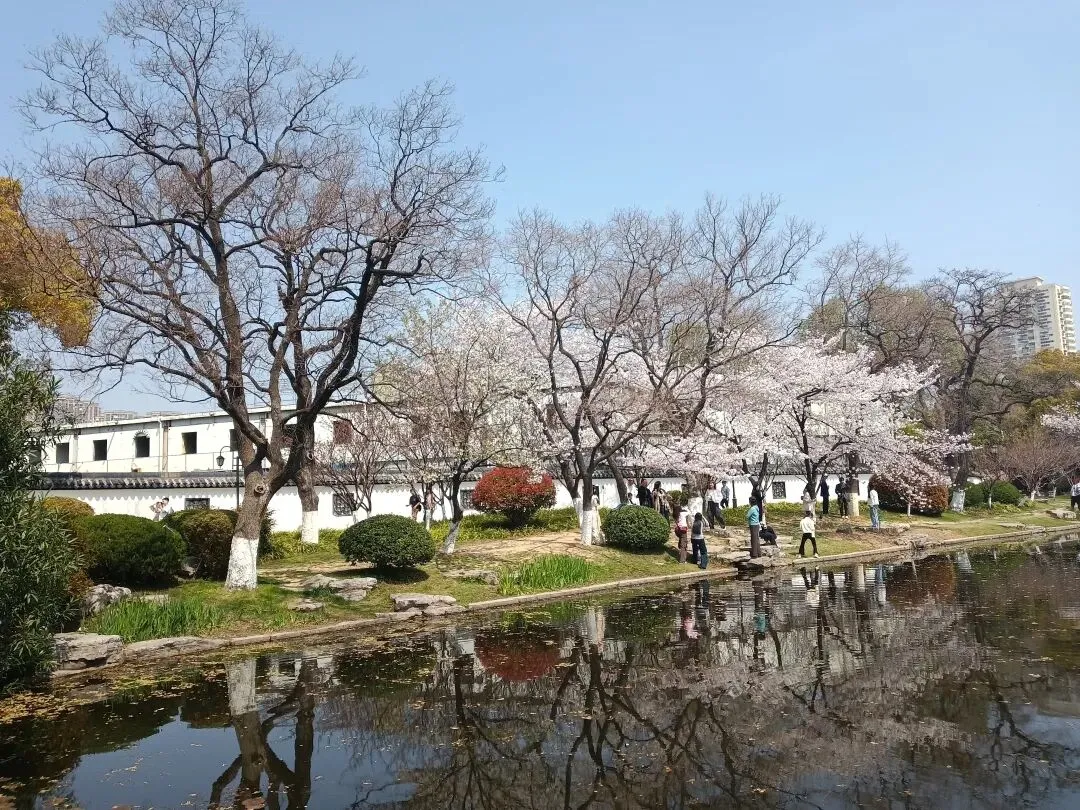
 There are many beautiful places in Nanjing, Mochou Lake is one of them. It is located at 132 Shuiximen Street, Jianye District, Nanjing City and situated in the core area where the old city of Jianye District intersects with Hexi and is a national AAAA level tourist attraction, attracting countless people to come from home and abroad and enjoy its beauty and charm.
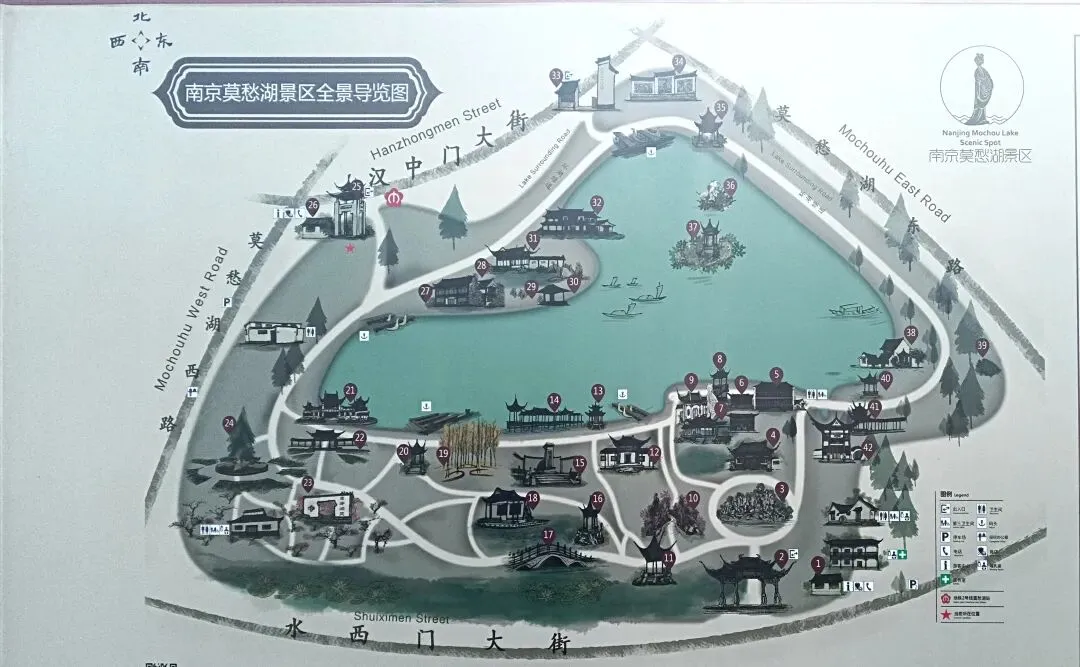
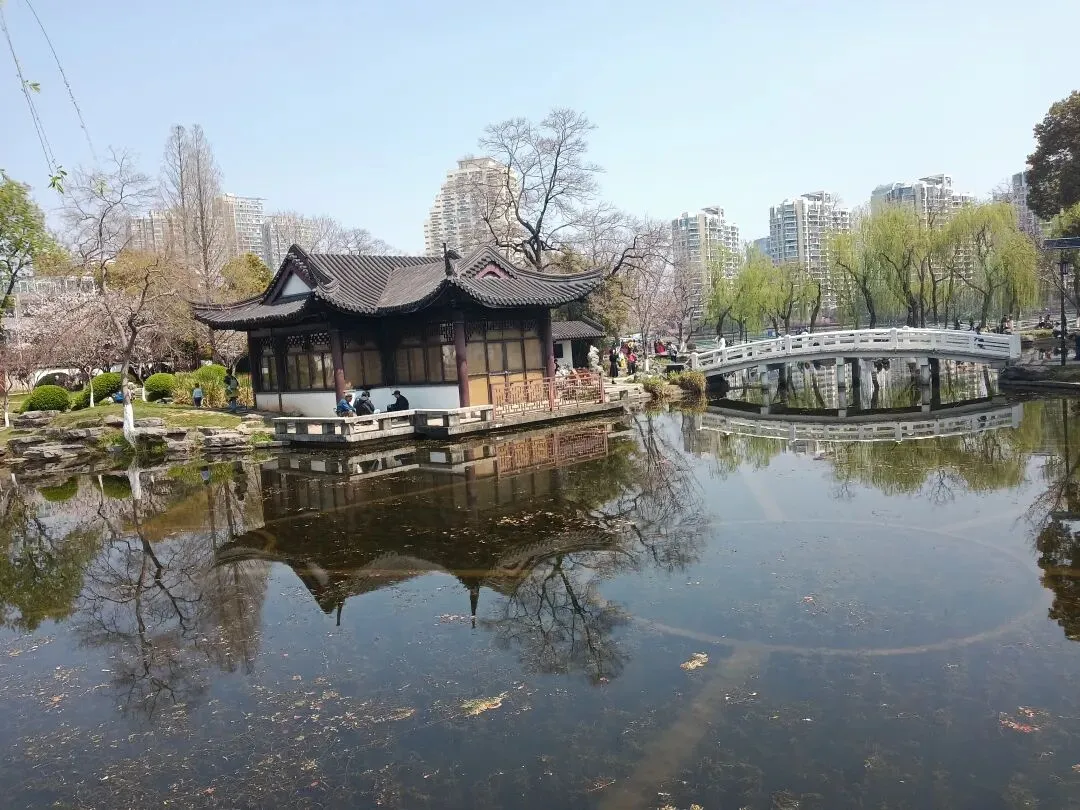
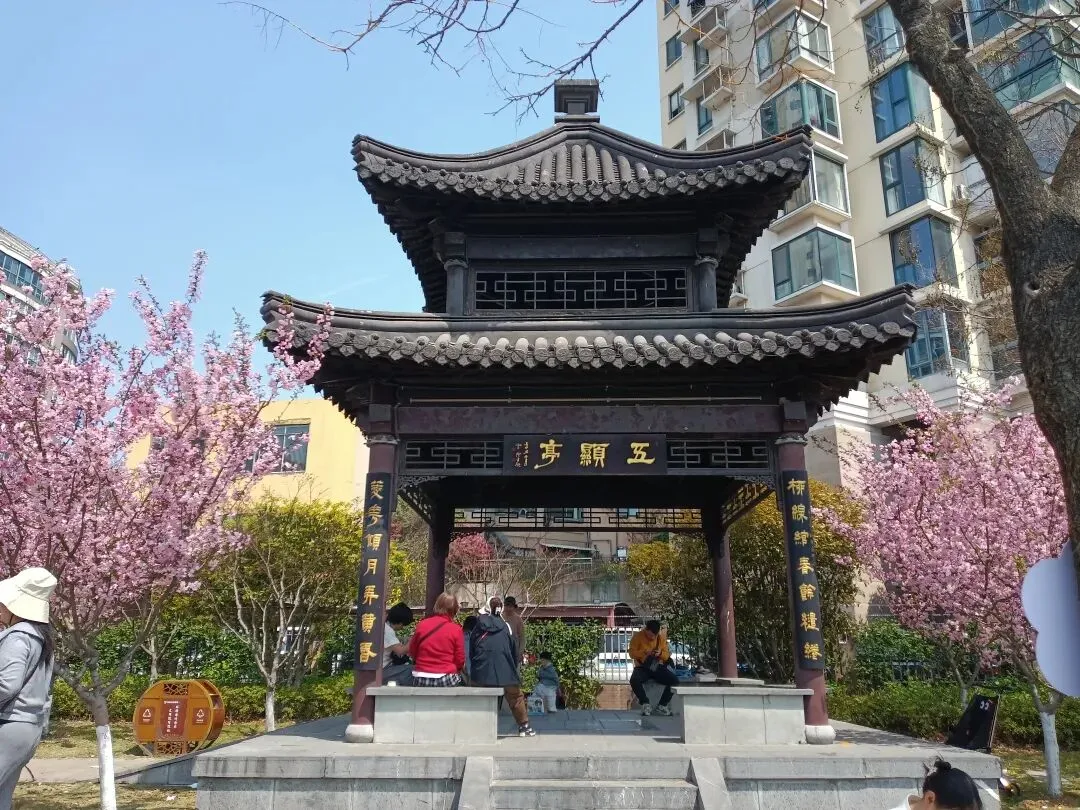
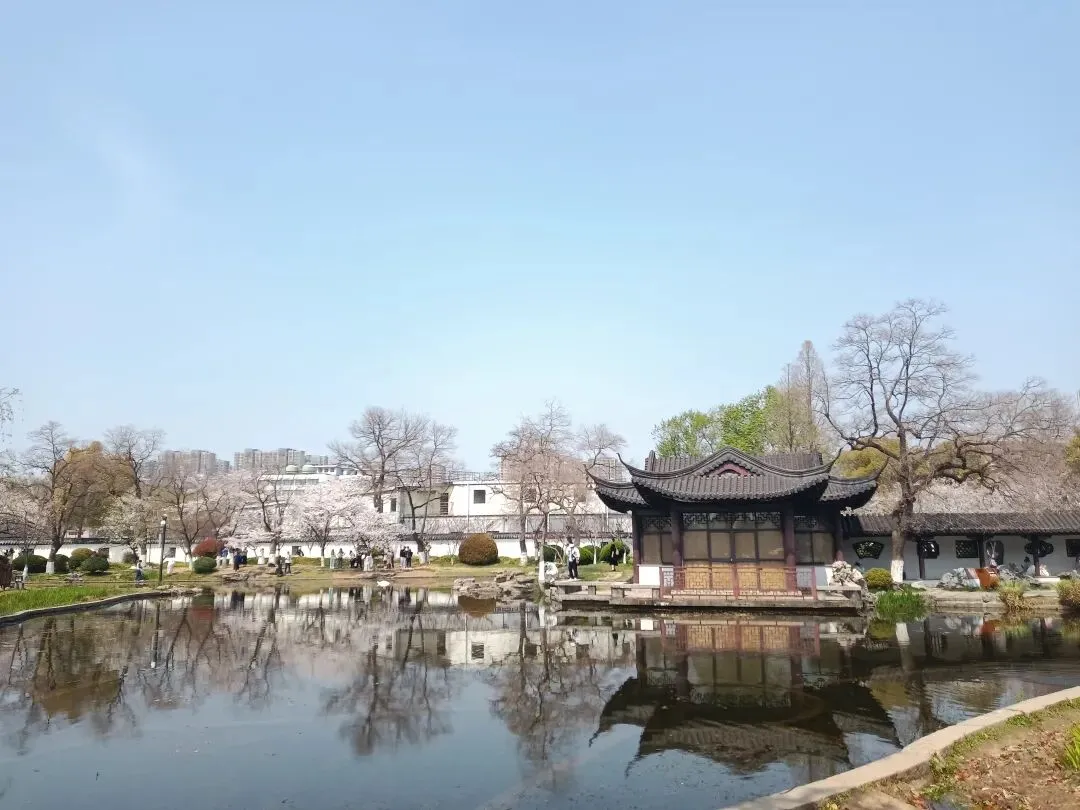
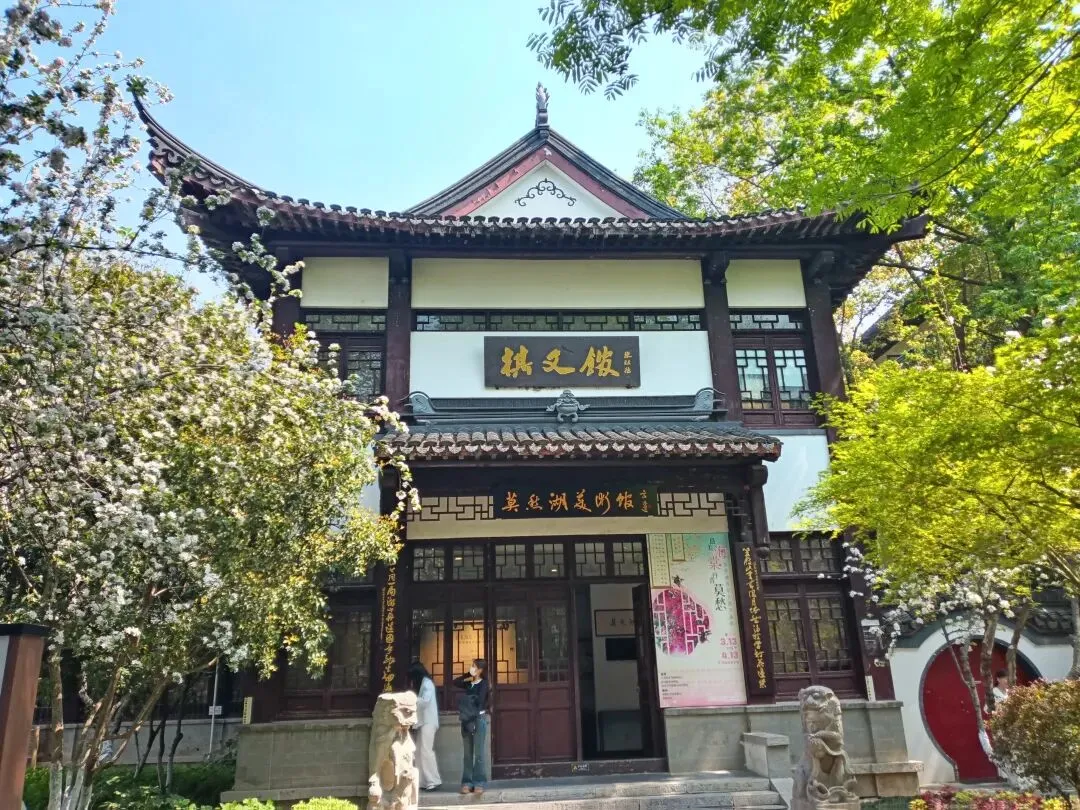
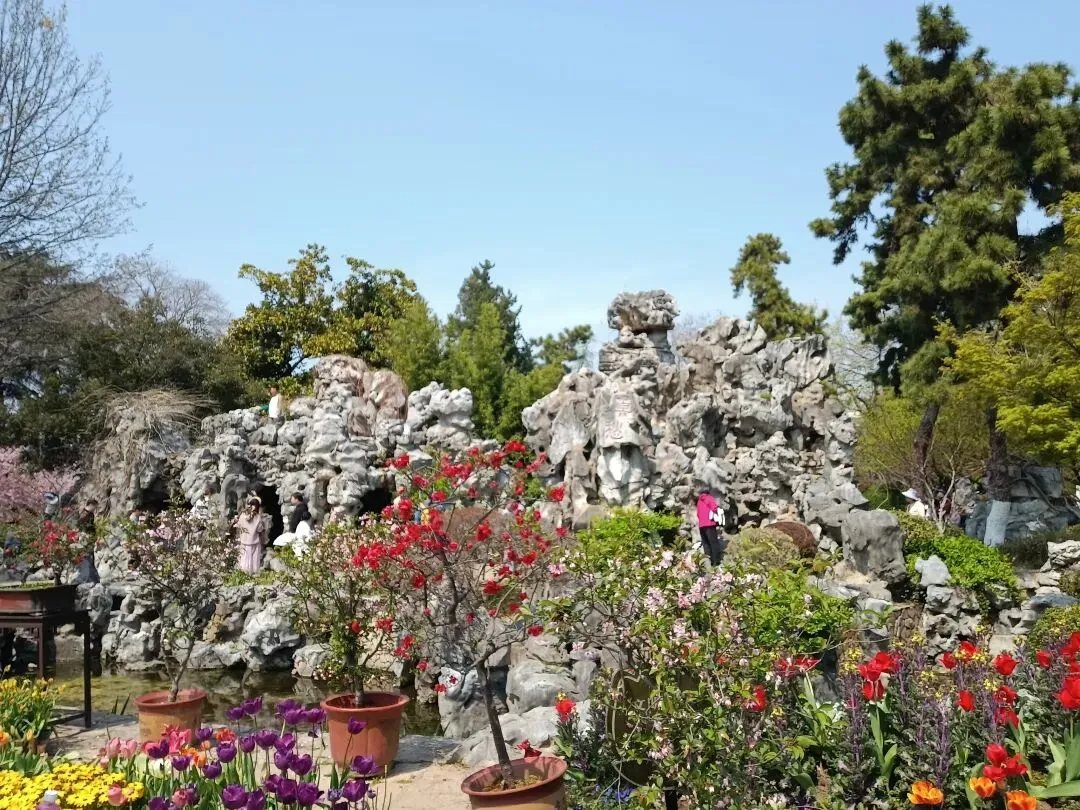 Mochou Lake covers an area of over 51 hectares including 18 hectares of land area and 32 hectares of lake area which is only second to Xuanwu Lake in the urban area of Nanjing. In the scenic spot, there are main landscapes, such as Chess Winning Building, Huayan Nunnery, Tulip Hall, Styrax Room, Mochou's Water Courtyard, Chess Playing Pavilion, Tombs of Cantonese Sacrificed Soldiers, Baoyue Building, Tang Fang Lang Yuan, and Iris Garden, etc. With undulating pavilions and halls, bridges and coridors leading to secluded quiet places, shaded bamboos and towering hill stones, it is a good place for writers, poets and citizens to enjoy entertainment and leisure in Nanjing.
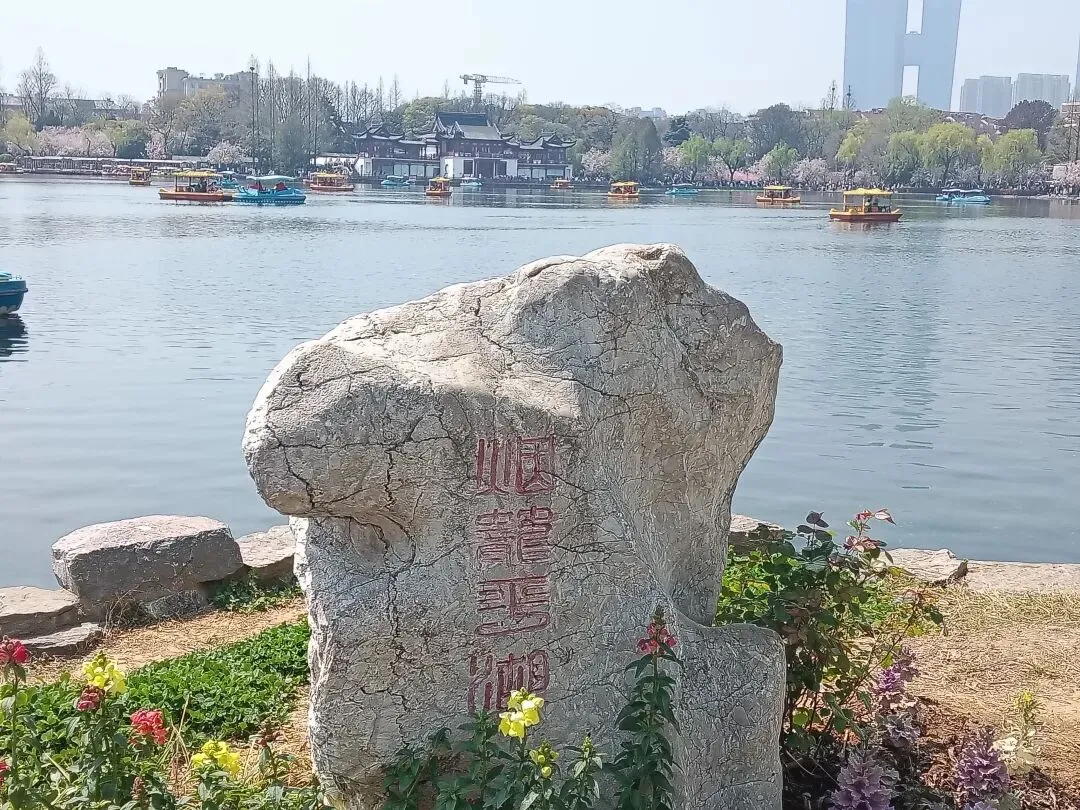 Mochou Lake, formerly known as Hengtang, is famous for the poetic scene in the Southern Dynasties Yuefu folk song "Xizhou Tune", which reads, "Lotus flowers are picked in the autumn of the southern pond, and the lotus flowers float above people's heads." The one who truly made it go down in history was the legendary girl Mo Chou, who was said to be as beautiful as a celestial being and good at singing and dancing. It is said that she threw herself into the lake because her husband was on a long expedition and her father was wronged, turning into a pool of clear water. From then on, the name Mo Chou became one with the lake water. Walking along the lakeside, we can see the statue of Mo Chou standing by the water, with its eyes lowered, as if telling the sorrow of a thousand years, or soothing the hearts of visitors.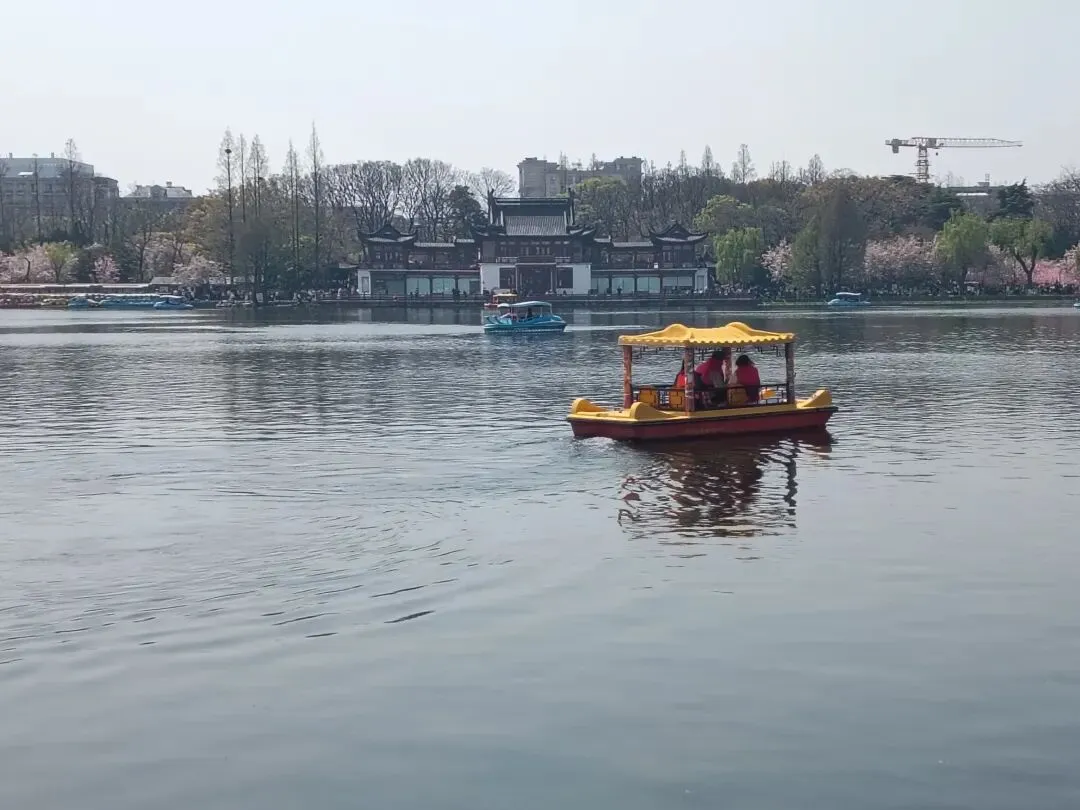
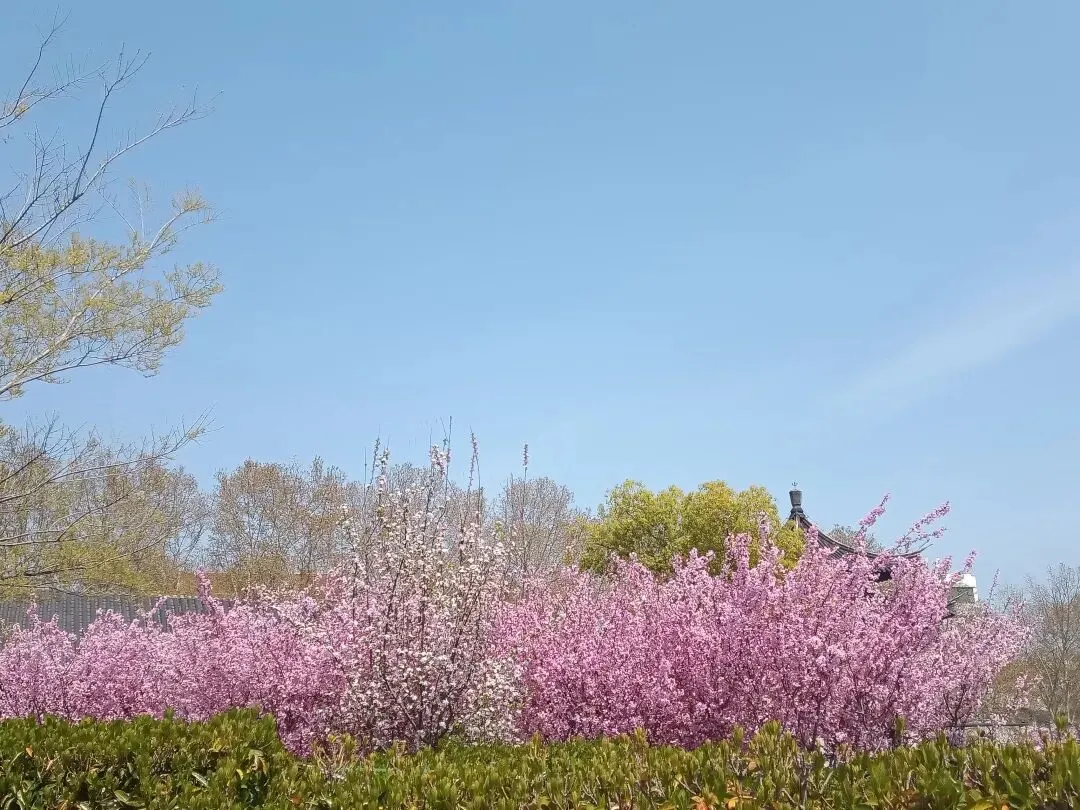
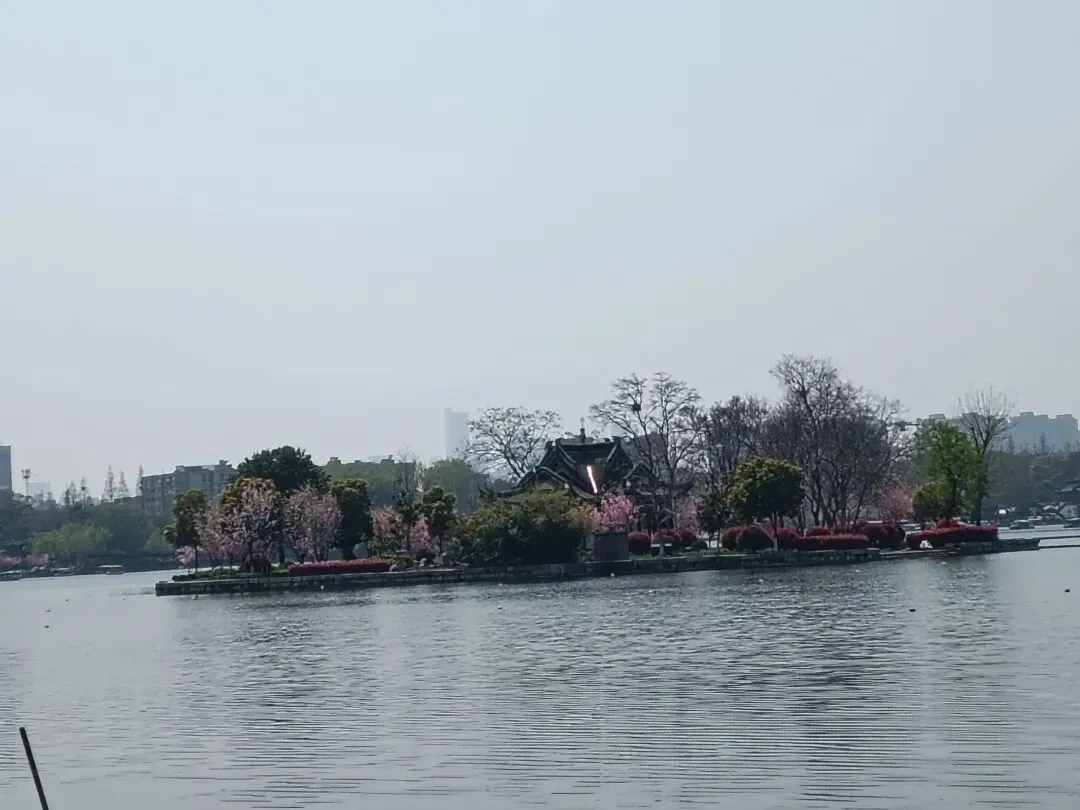
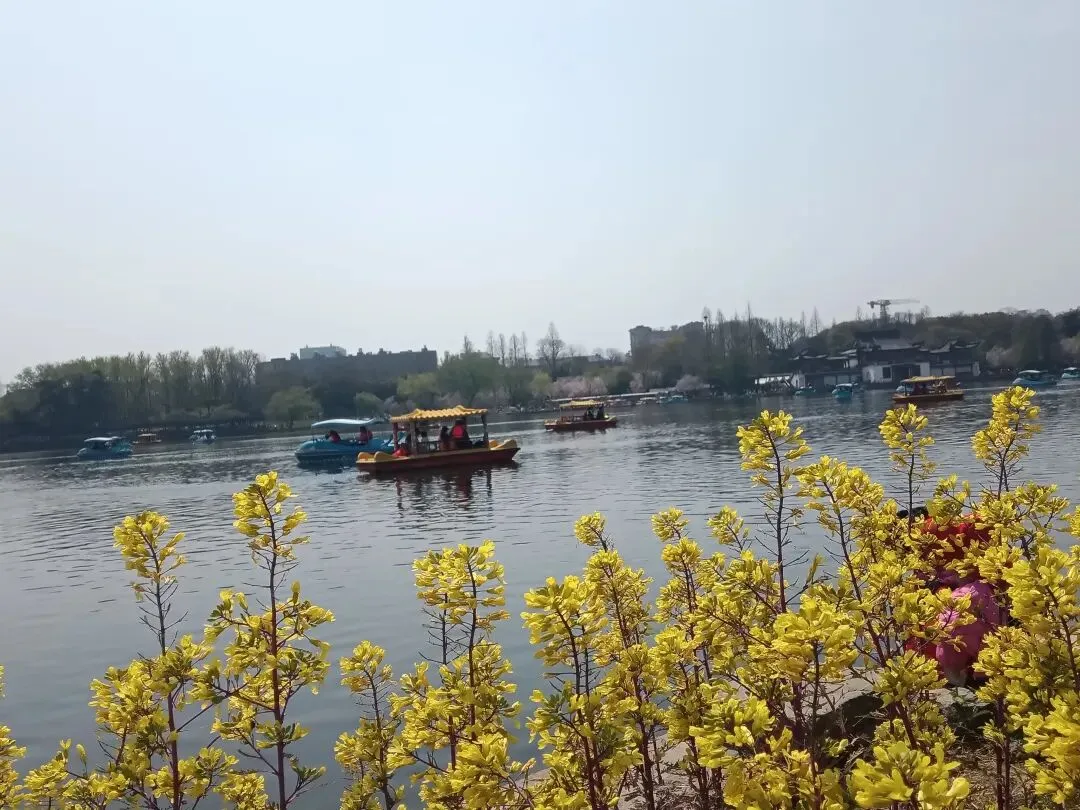
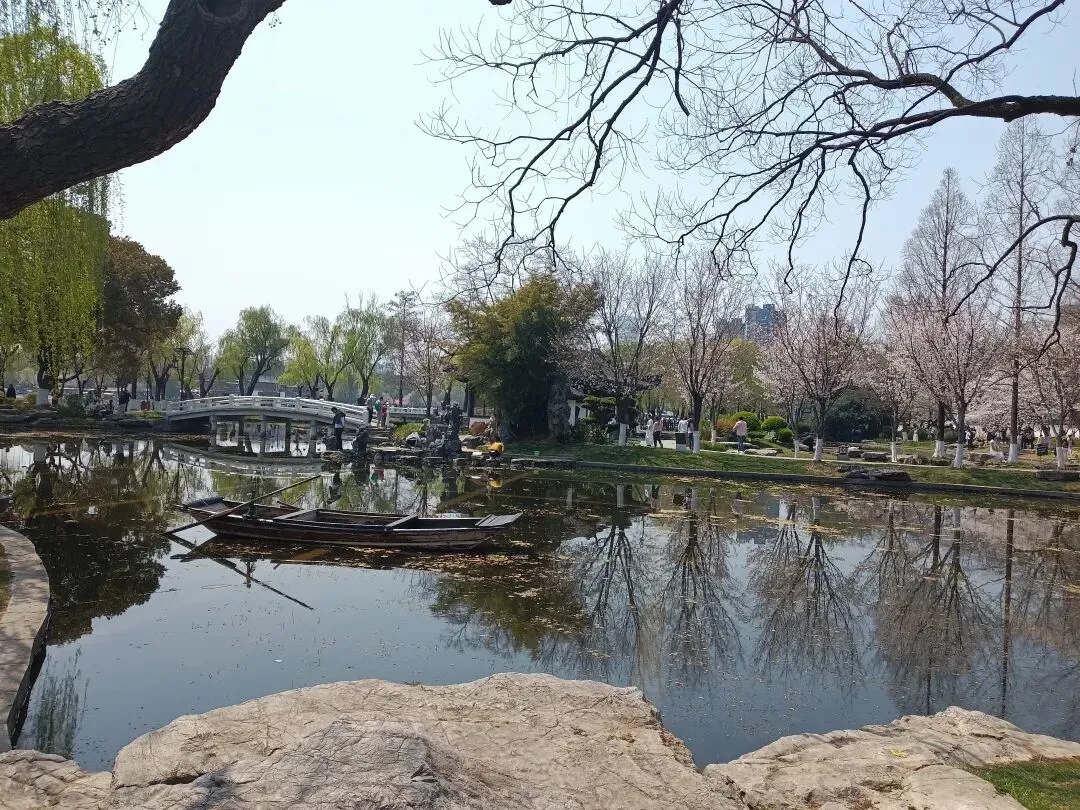
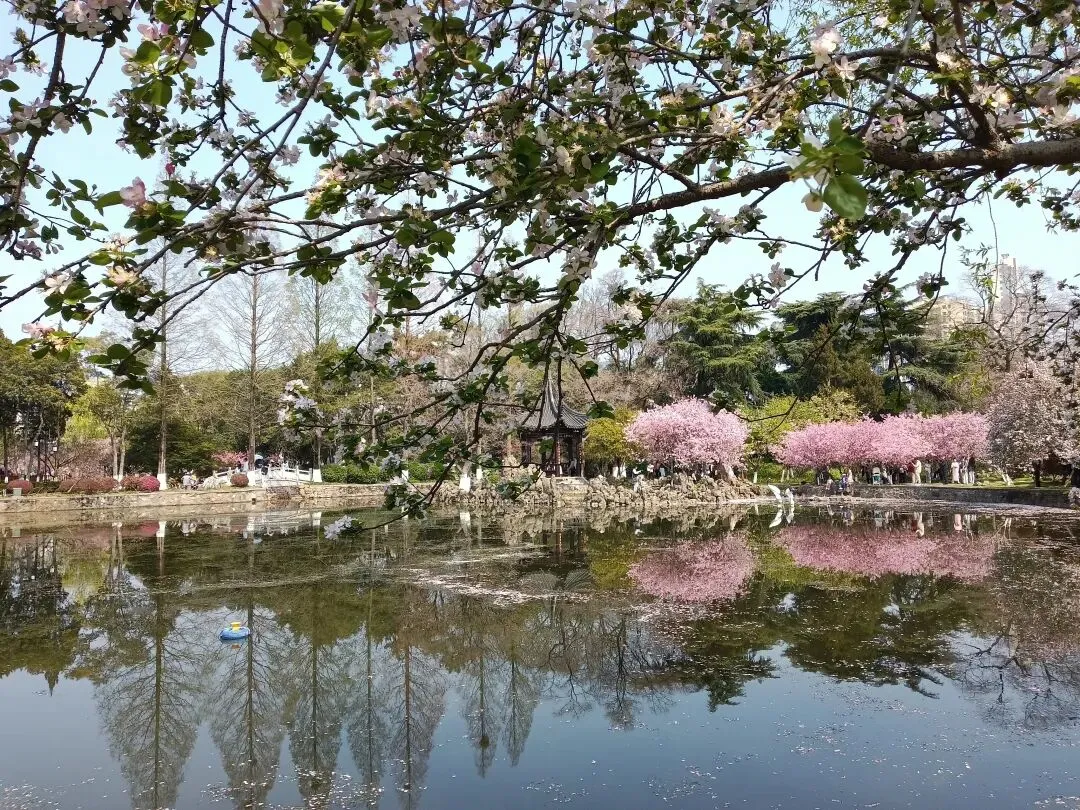
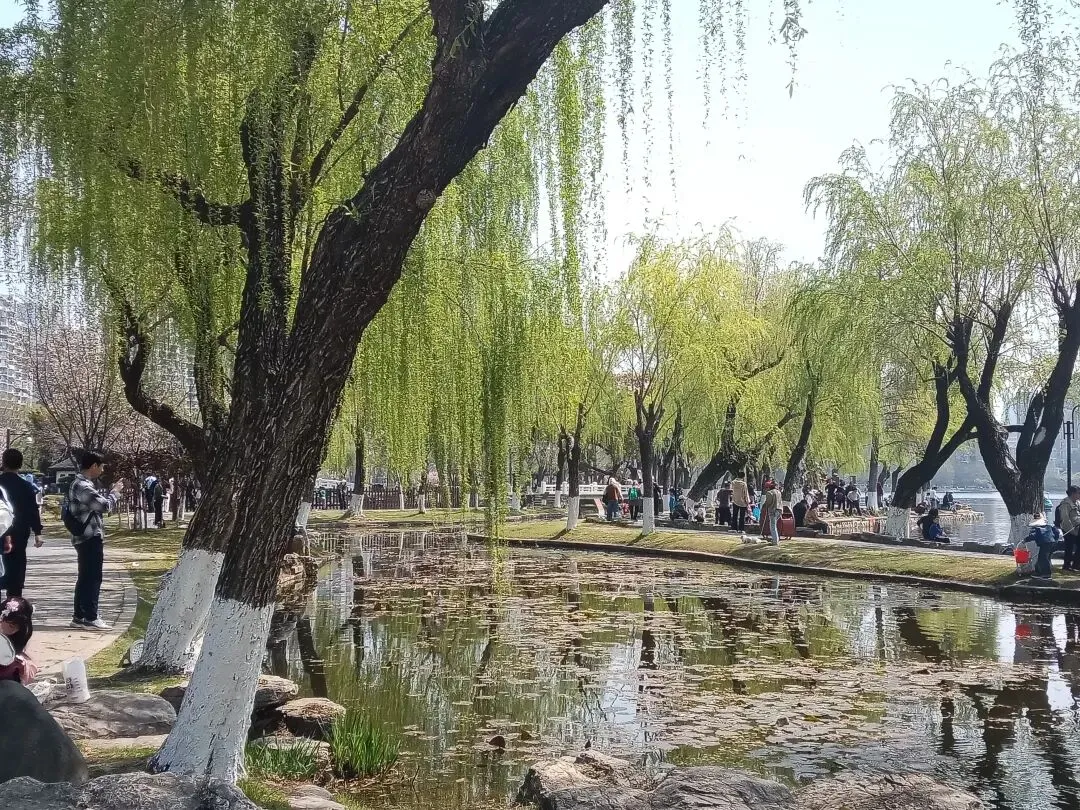
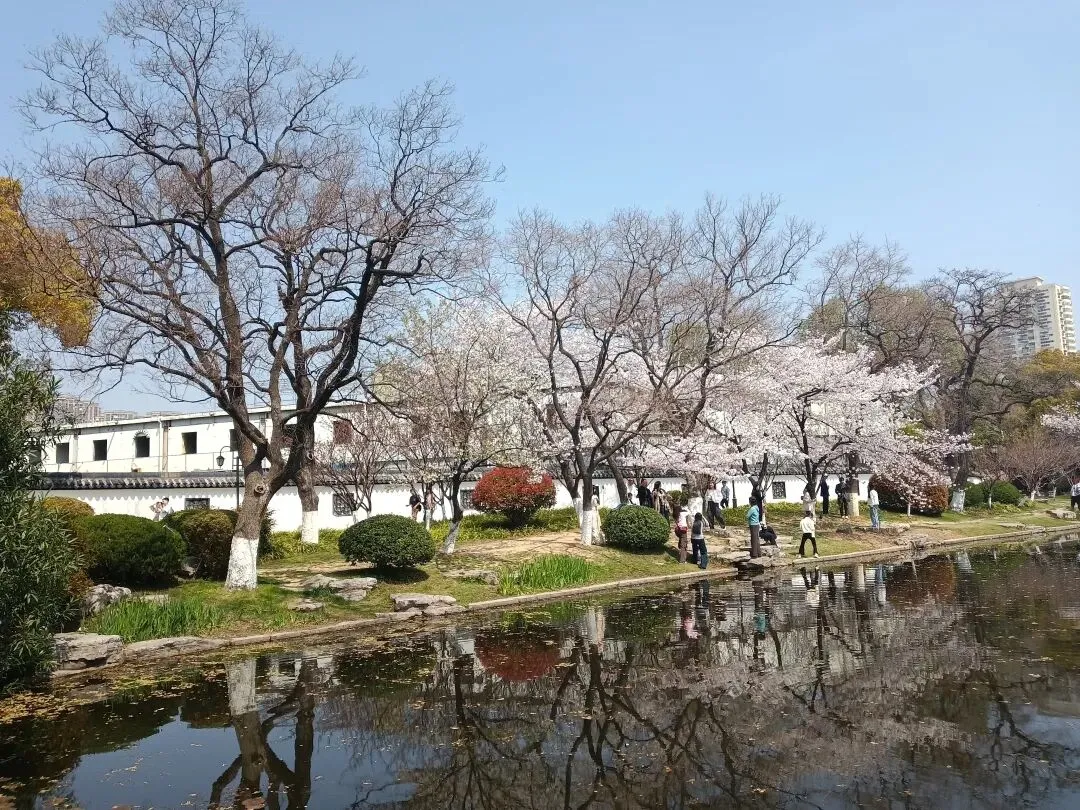
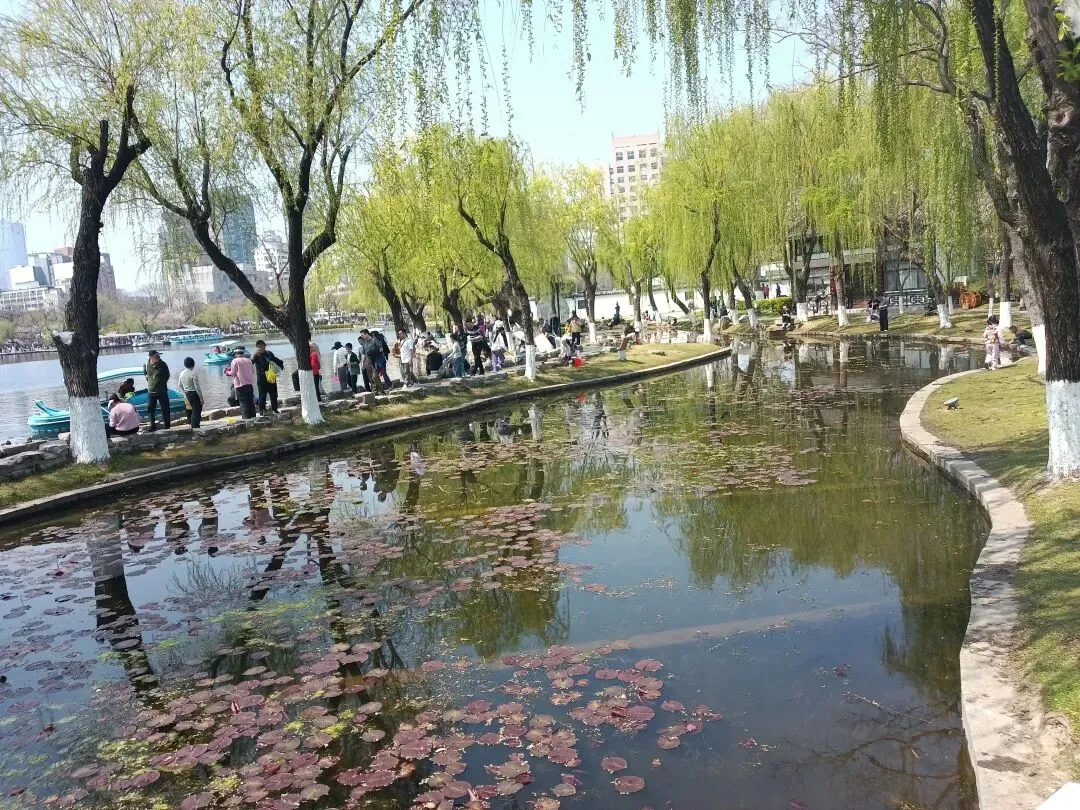
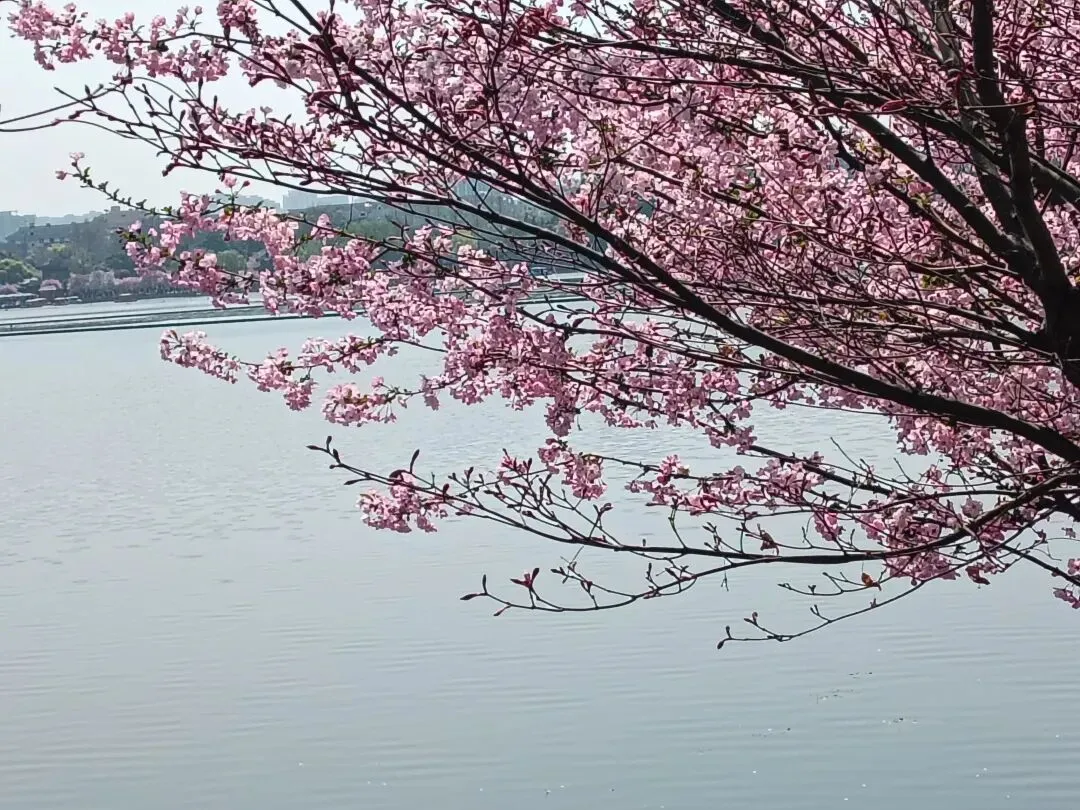
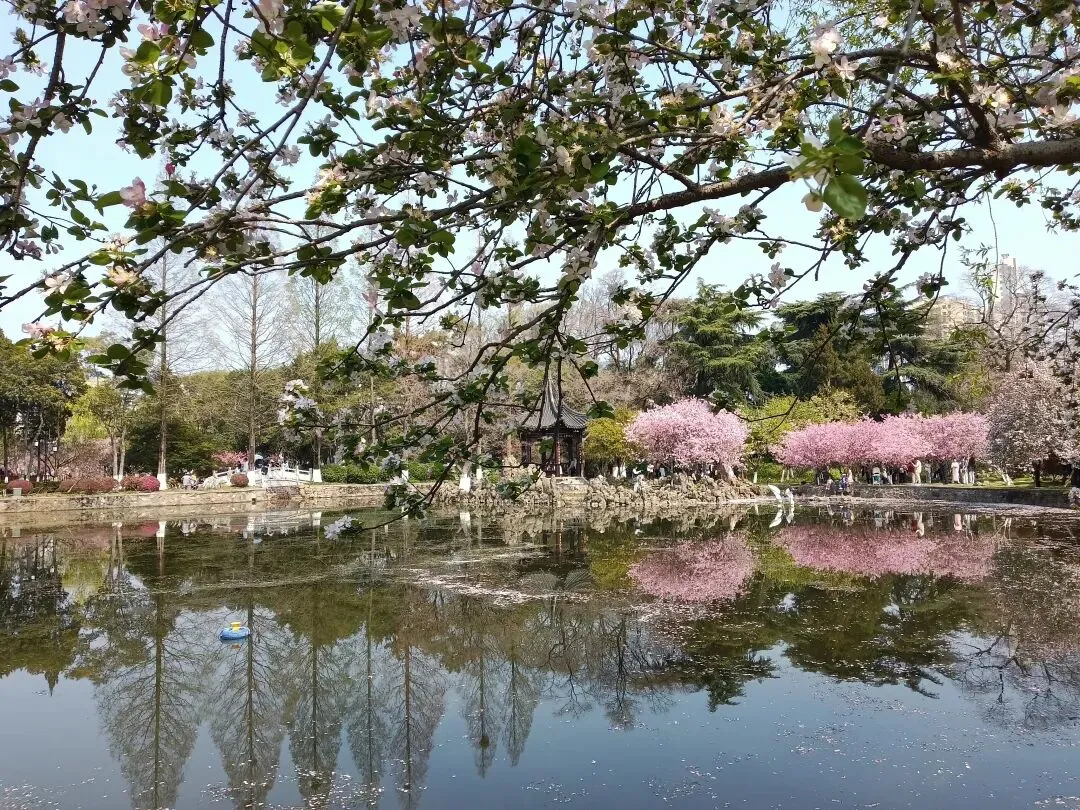
 The lake surface is not large, but it is meandering and well-arranged, like a piece of warm jade inlaid in the west of the city. In spring, willows sway over the water and cherry blossoms are as white as snow. In summer, lotus leaves stretch out in fields and lotus flowers reflect the sun. When autumn comes, the fragrance of osmanthus wafts, and the withered lotus flowers listen to the rain. After the Winter Solstice(冬至), cold plum blossoms stand firm against the snow, and pavilions and terraces are covered with frost. As the seasons change, Mochou Lake always presents the elegance and vicissitudes of Jinling in an unassuming and uncompetitive manner.
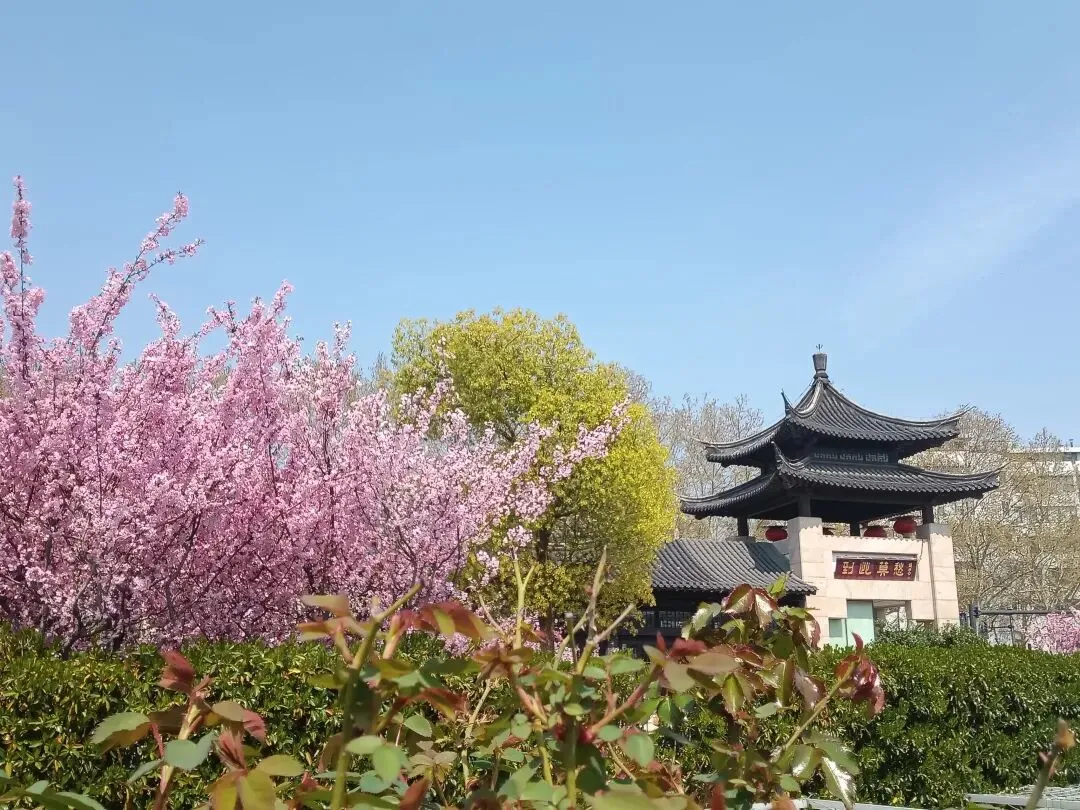
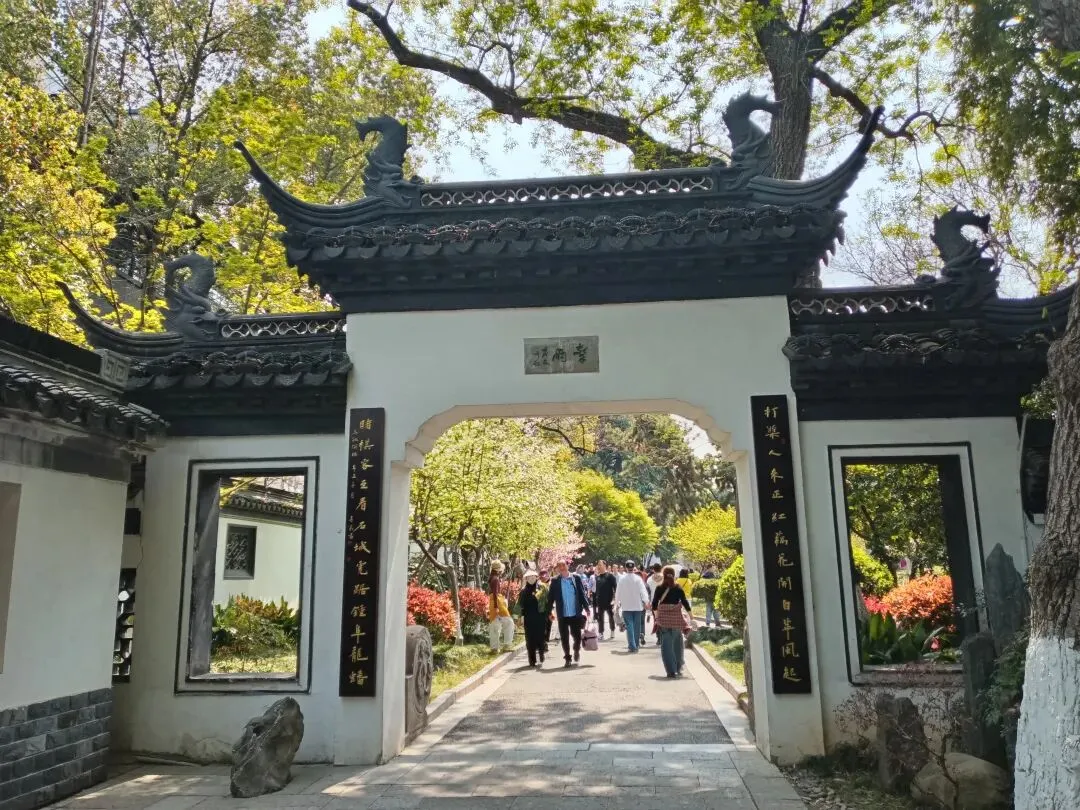
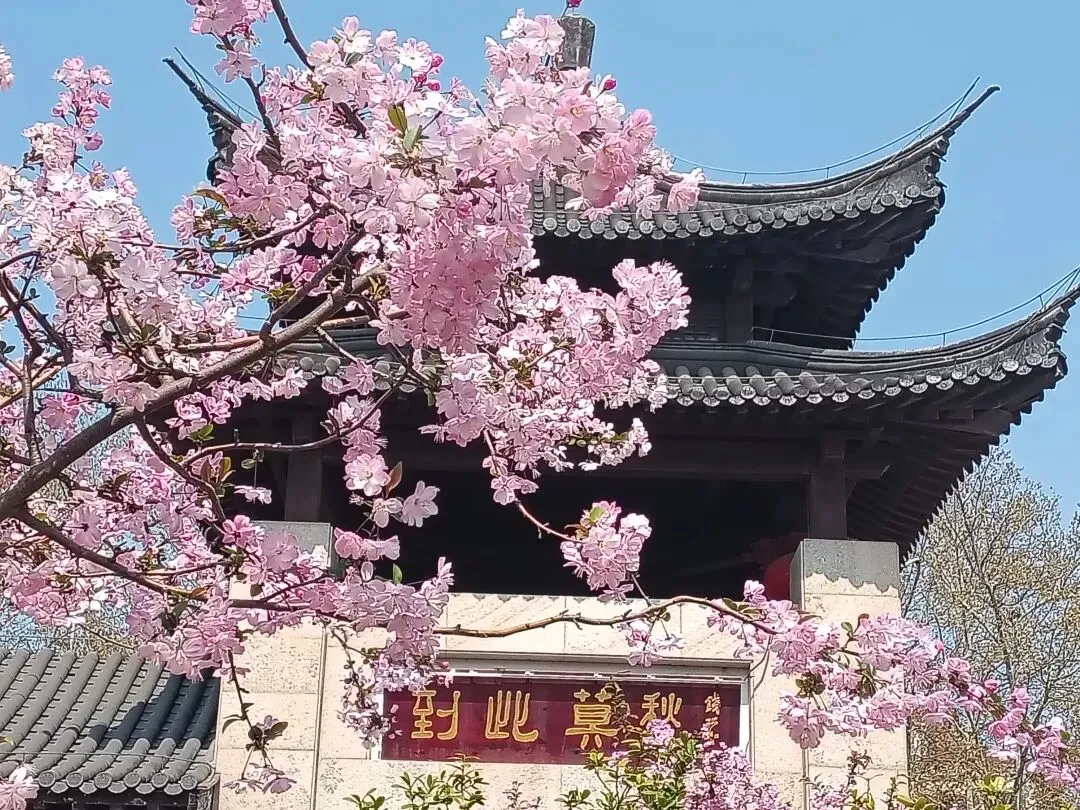
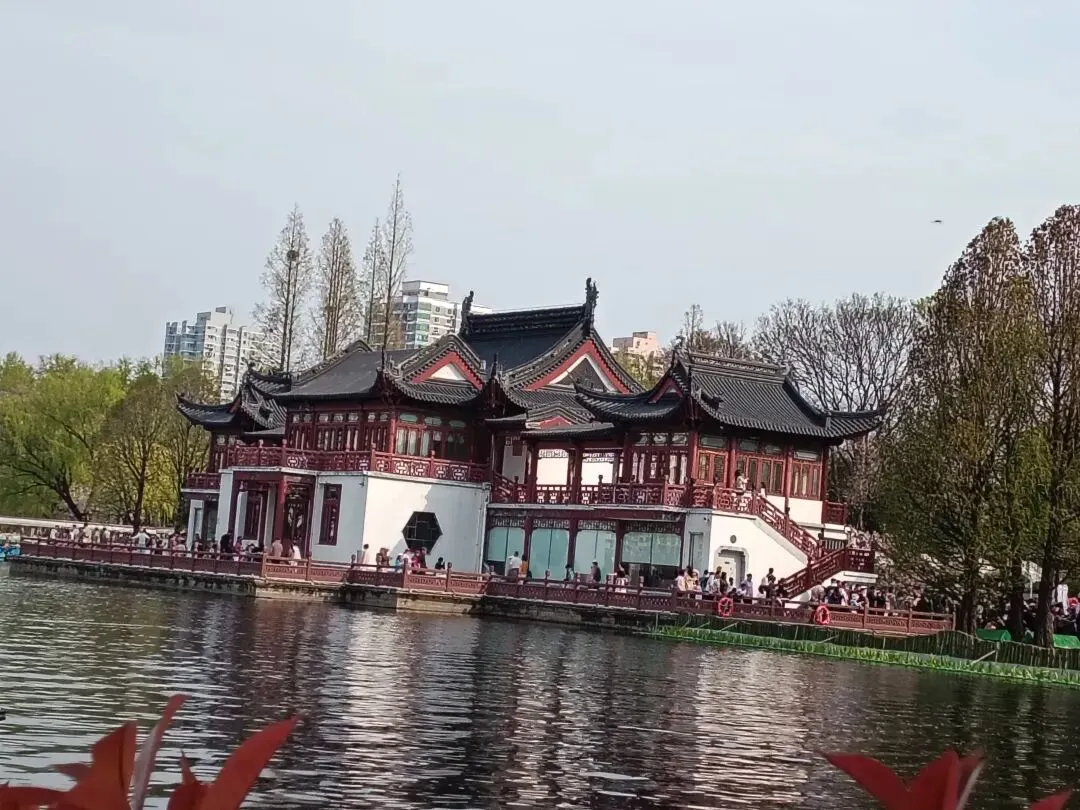
  The essence of Mochou Lake lies not only in the water but also in the classical buildings scattered along the lakeside. They either have upturned eaves and corners or elaborately carved beams and painted pillars, bringing the delicacy of Jiangnan gardens and the refined taste of scholars to the extreme. Huayan Nunnery is the "face" of the park. This ancient temple, which was first built in the Ming Dynasty, has blue tiles and white walls, and is simple and solemn. Inside the nunnery, there is a stele inscribed by Dong Qichang, a painter of the Ming Dynasty. The handwriting is vigorous and vigorous, as if telling of the past prosperity.
Tulip Hall is the former residence of Mo Chou;n. In front of the hall, there are crabapple trees(海棠树), and inside the hall, there are displayed poems and paintings related to Mo Chou. The Chess Playing Pavilion is named after the story of the Ming Dynasty's founding emperor Zhu Yuanzhang and Xu Da playing chess here. The chessboard inside the building is still there. Legend has it that Xu Da once arranged the characters "Ten Thousand Years" with chess pieces, which greatly pleased Zhu Yuanzhang. Today, it remains a popular spot for chess enthusiasts to exchange skills.
 Mochou Lake is not only a carrier of natural beauty but also a spiritual sanctuary for scholars and poets. Since the Southern Dynasties, countless poets have left behind well-known and popular works here. The Tang Dynasty poet Liu Yuxi once wrote, "Don't worry about having no friend on the road ahead; who in the world doesn't know you?“(莫愁前路无知己,天下谁人不识君?) Although it was not specifically referring to the Mochou Lake, it made the two characters "Mo Chou" a symbol of broad-mindedness. Yuan Mei, a poet of Qing Dynasty once said straightforwardly, "If you want to compare West Lake to Xi Zi, it is hard to compare it with the misty waves and Chou Zi." (欲把西湖比西子,难比烟波愁子来。) comparing Mo Chou Lake with West Lake, his charm is fully demonstrated.
 Every year on the sixth day of the sixth lunar month, Mochou Lake holds a Lotus Festival. At the time, the lake surface will be covered with pink and white lotus flowers. Tourists can take a painted boat to travel through it and experience the poetic scene of endless green lotus leaves reaching to the sky. During the Mid-Autumn Festival, the Moon-gazing Party by the lake becomes a grand event in Jinling City. Scholars and literati climb up the towers to gaze at the moon, compose poems and paint pictures, making the night of Mochou Lake look dreamlike and illusory. Seeing is believing and visiting is a great way to learn and explore.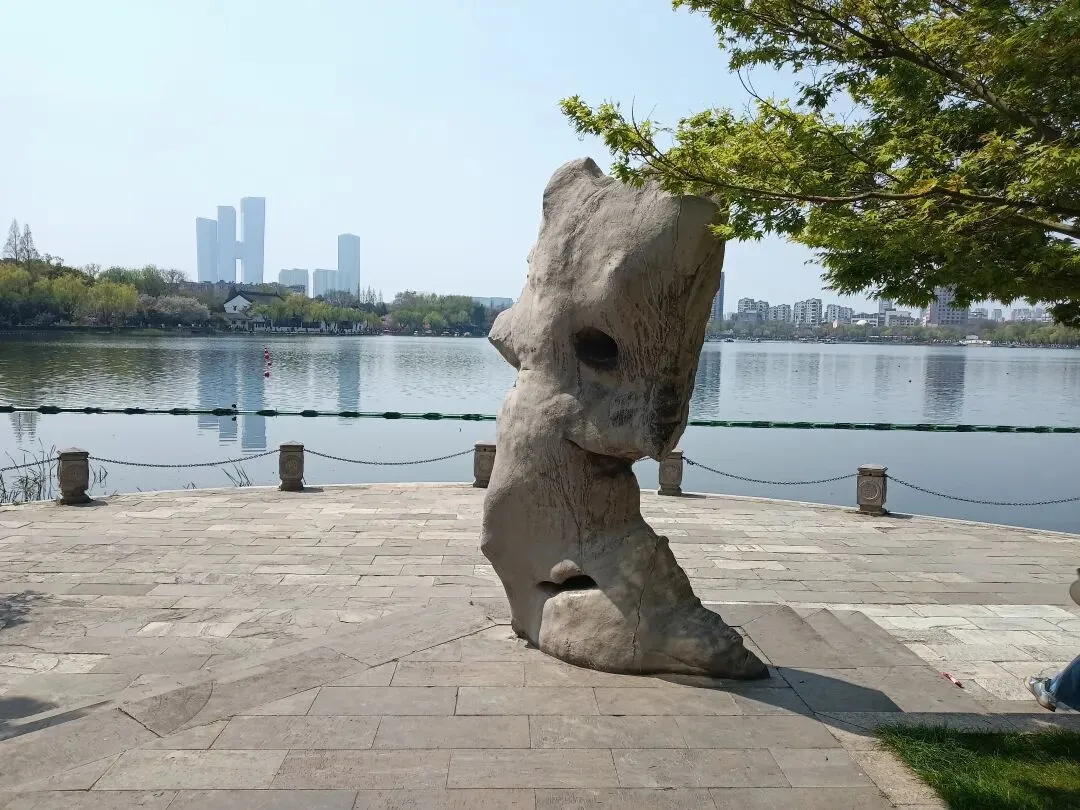
 10个月宝宝每天需要喝多少奶粉?

