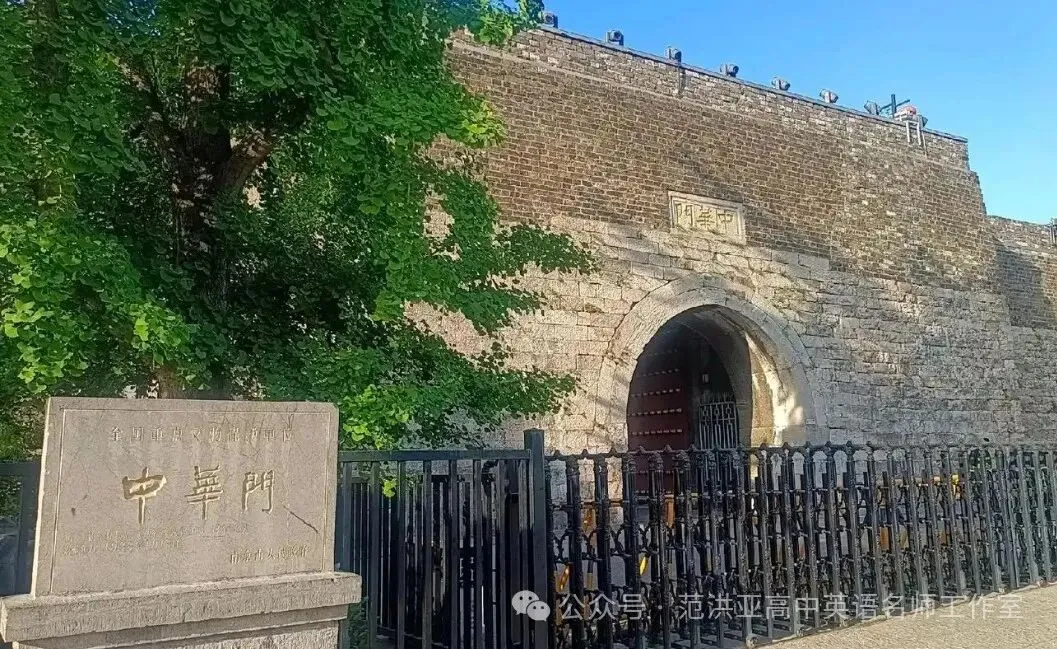
Nanjing’s city wall
南京城墙
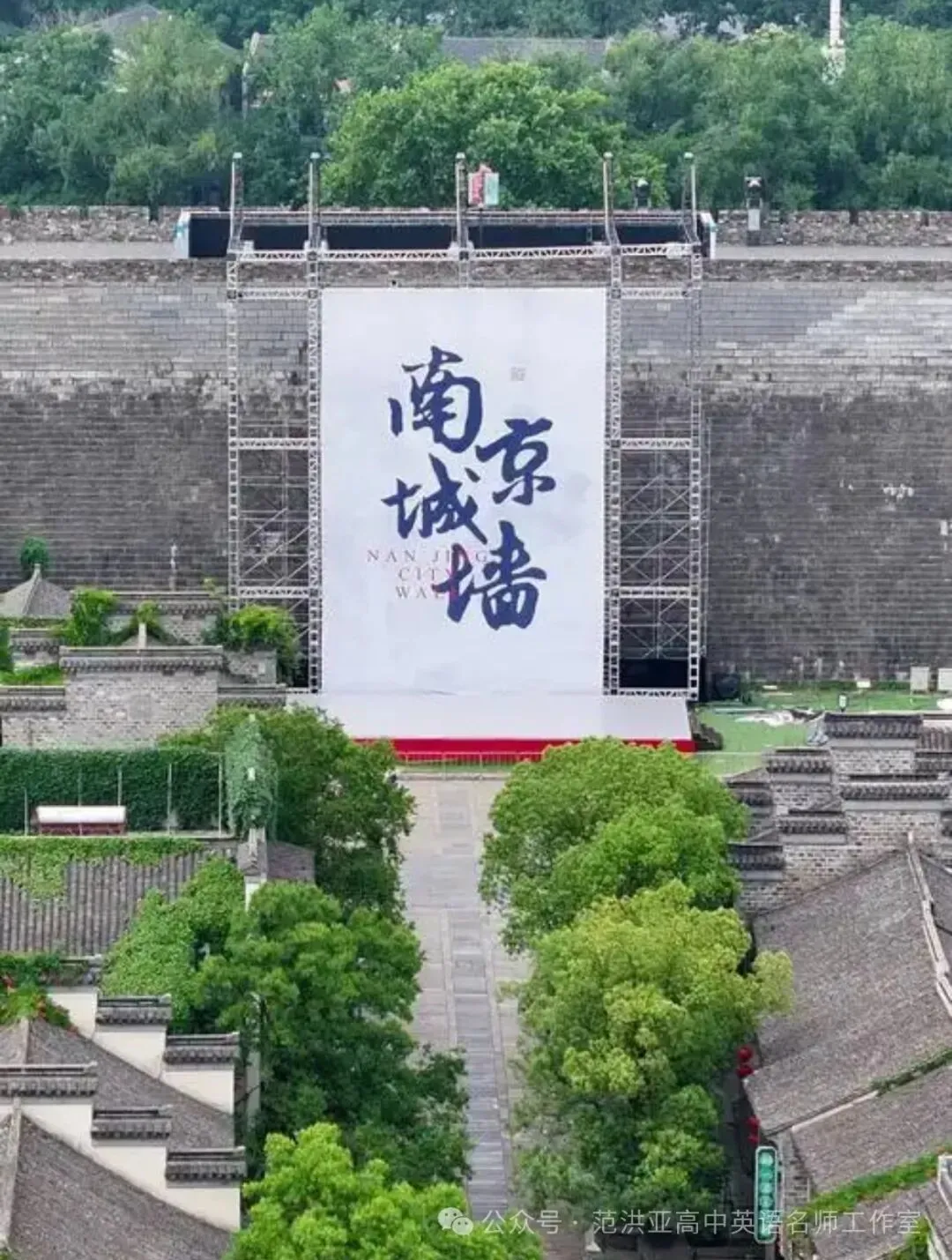
南京城墙是中国城墙文化的典型代表。明朝朱元璋定都南京后筑就,它规模宏大、工艺精湛,历经岁月留存至今。如今南京城墙成为热门打卡地,融合了自然景观与现代都市风貌,独特的砖文、依地势而建的布局及中华门等建筑彰显其魅力与深厚历史底蕴。
Defensive walls are part of China’s historic DNA. For as long as there have been towns and cities in China, there have been walls around them. The Chinese character cheng , meaning city, also means city wall – the concept of a large settlement and a wall around it were indivisible.
Despite China’s history of building battlements, most of its towns and cities dismantled their crumbling old walls over the centuries, as cities grew, traffic picked up, and technology progressed. But that makes the surviving cheng that wraps around Nanjing, the most important city in Jiangsu province, a glorious exception and one of the highlights of a trip to the ancient capital of Nanjing.
The first emperor of the Ming dynasty, Zhu Yuanzhang, defeated the Mongols and founded a new era for China in 1368. With Nanjing as his capital, work began in earnest. A magnificent palace was built, and a new, higher city wall was constructed. With an outer wall more than 37 miles in length, it was among the longest city walls ever built. And with around 16 miles of it surviving today, It is the longest existing masonry wall in China and even in the world.
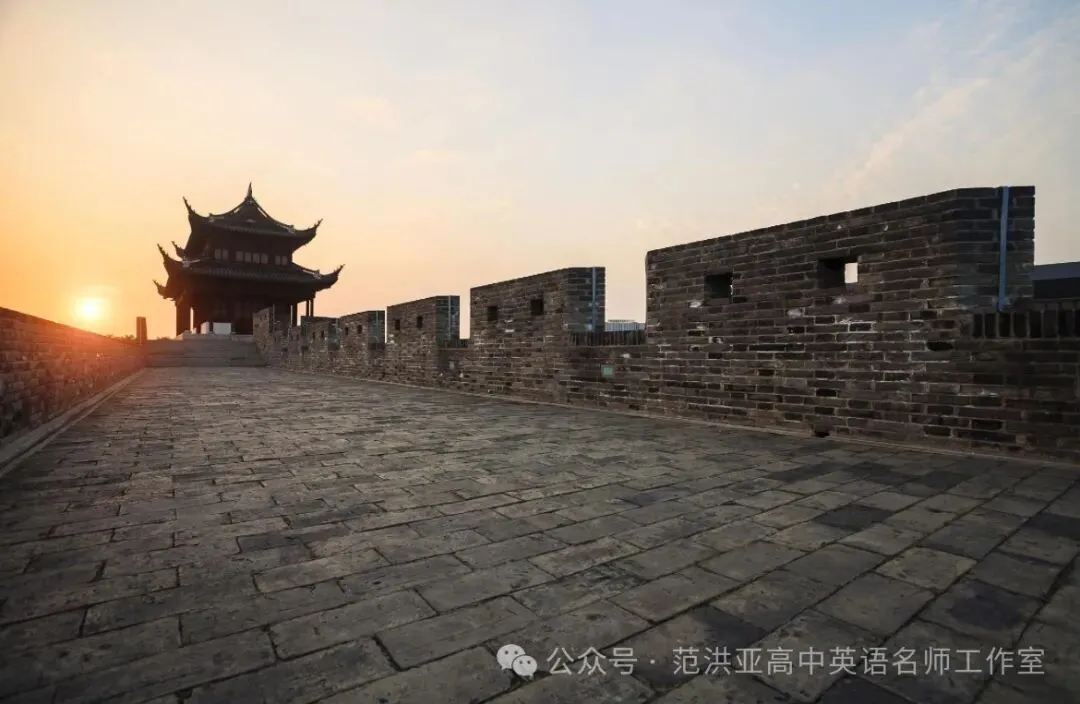
It’s a testament to the high quality of construction that so much of Nanjing’s wall has endured time and progress. An army of 1 million skilled and unskilled workers took 28 years to complete it, laying hundreds of millions of bricks fused together with a highly effective mortar made from lime and glutinous rice. Parts of the wall are 69 feet high, which equals almost five double-decker buses stacked on top of each other, and wide enough for two of those buses to pass each other on top of the battlements.
Where once armed sentries would have patrolled Nanjing’s city wall, these days it’s the domain of locals taking exercise, groups of young urban hikers, tourists snapping photographs, and strolling couples enjoying the splendid views that contrast the cityscape of Nanjing, crowed by the 1,500-foot-tall Zifeng Tower, with the undulating, weather-worn battlements evoking the achievements of a distant age.
Part of the fun of hiking along Nanjing’s city wall is keeping an eye out for bricks carved with Chinese characters. These stenciled inscriptions, a kind of quality seal, reveal the kiln where the bricks were fired, the supervisor who was in charge, and even the individual craftsperson. Kilns hundreds of miles away supplied the bricks, and only bricks of the highest quality were accepted. With the maker’s stamp on it, shoddy workmanship could easily be punished.
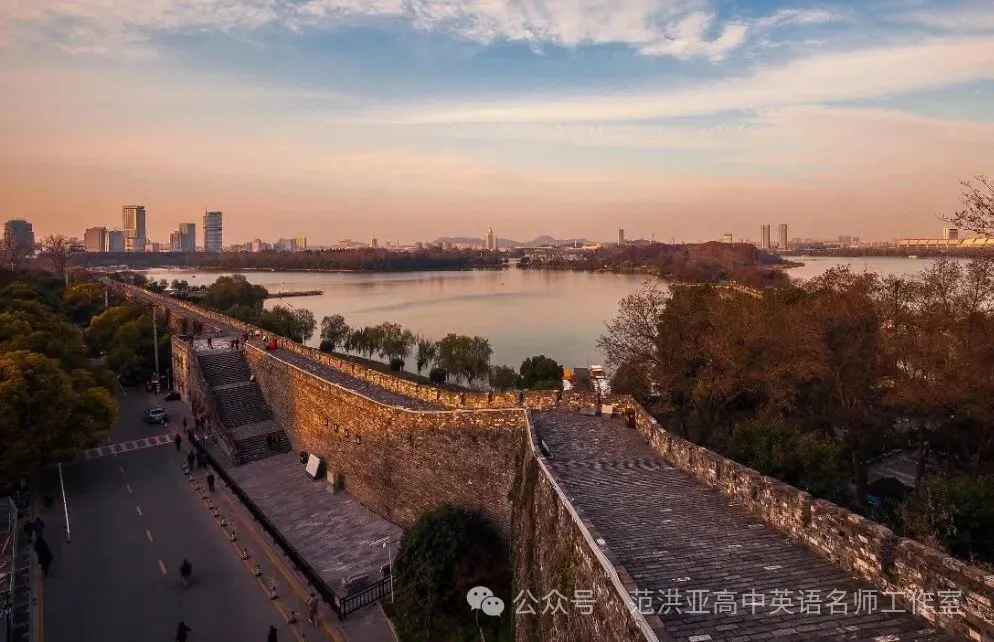
Another aspect of Nanjing’s city wall that makes it such a special urban hike is the way it flows organically, following the natural topography of the city and encompassing rivers, lakes and hills – natural defensive features – into its design. Typically, city walls in China were arranged like a quadrangle, with straight sides. Xi’an, for example, and Beijing’s wall before it was dismantled in the 1960s, form almost a perfect square. It’s far more interesting to follow on foot the twists and turns of Nanjing’s wall, and you’re rewarded with an ever-changing view.
Climbing the wall at Xuanwu Gate and hiking south, a section of wall runs for one mile, offering sensational views. On one side is the glassy expanse of Xuanwu Lake, flanked by willow trees, and Purple Mountain beyond it, home to the tomb of the first Ming Emperor. On the other side are the space-age towers of modern Nanjing. A broad curve of wall leads towards the seven tapering tiers of the pagoda at Jiming Temple, and before that, the hidden gem Nanjing Ming City Wall History Museum, built into the wall itself and dedicated to its history.
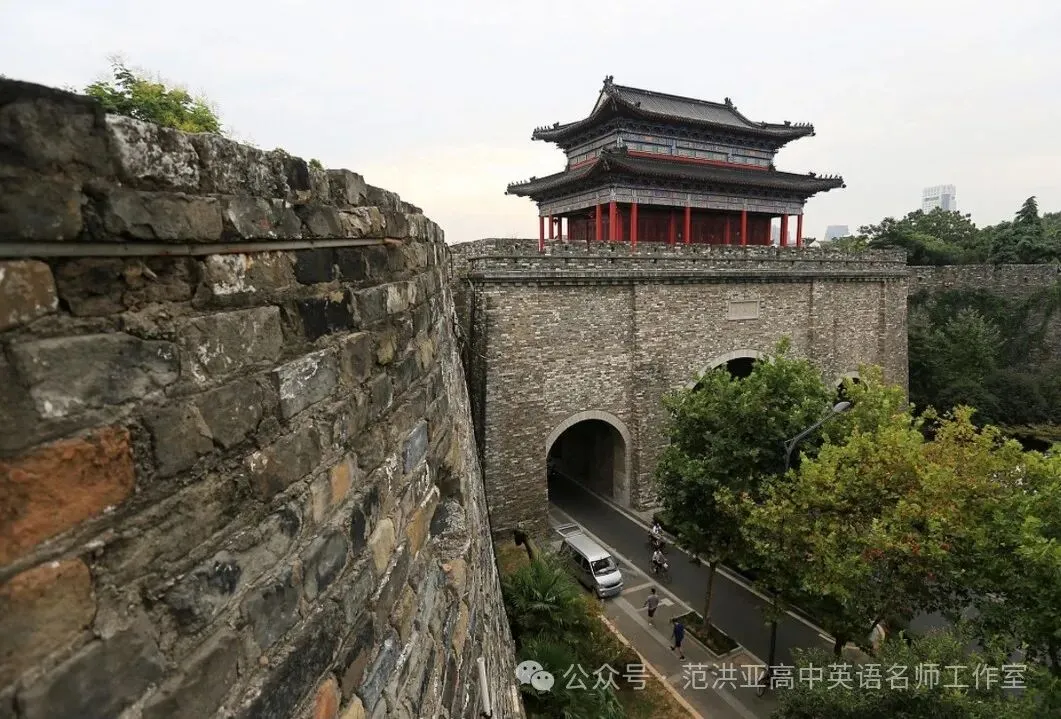
The most impressive architectural feature of the wall is the formidable Zhonghua Gate in the south. The most spectacular of 13 gates that once dotted the walls, it guarded the ‘front door’ of Nanjing – the name literally means ‘Gate of China.’ In fact, it looks more like a castle; anyone coming into the city would have had to pass through a series of connecting spaces leading to the wall and overlooked by deadly firing positions.
For one last glimpse of the past hike to Wu Gate, at the entrance to the former Ming imperial palace. Unlike the resilient wall, nothing much remains today of the Hongwu emperor’s grand abode except wistful ruins – stone gates and column bases set inside a quiet park.
(备注:资料源自网络,仅供学习交流,侵权即删)