To solve a problem, one must first understand it accurately. For this reason, the Language Acquisition Programme does not begin with teaching, but with assessment.
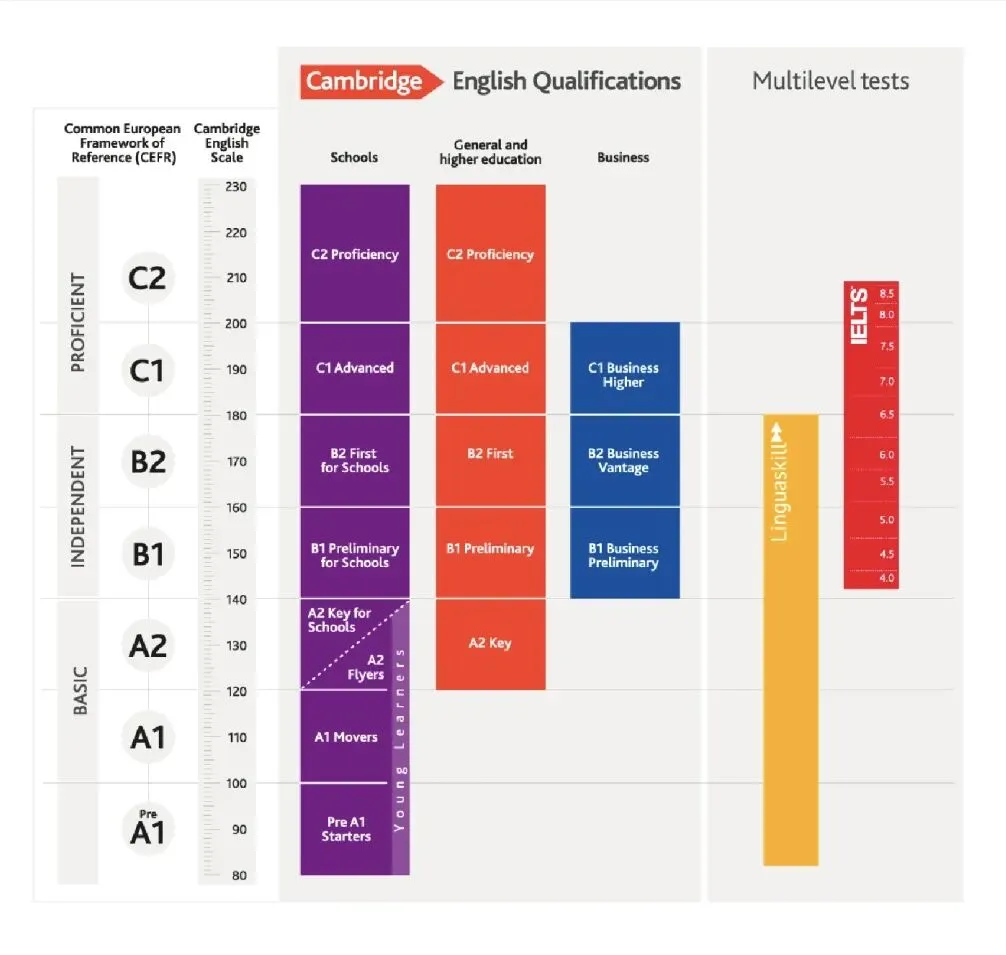
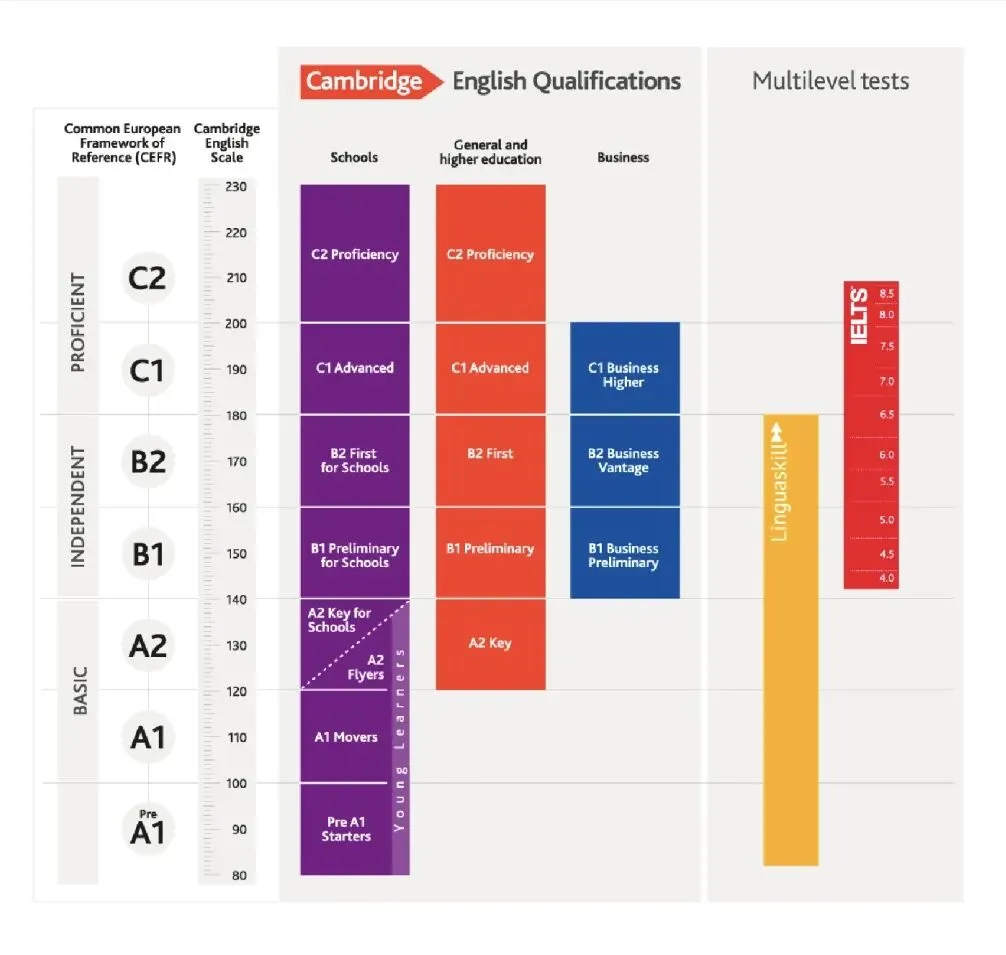
At the start of the academic year or upon entry, every student completes a baseline assessment, developed by Dr Suzanne, Head of the Language Acquisition programme, and grounded in the internationally recognised CEFR (Common European Framework of Reference for Languages).
◎CERF
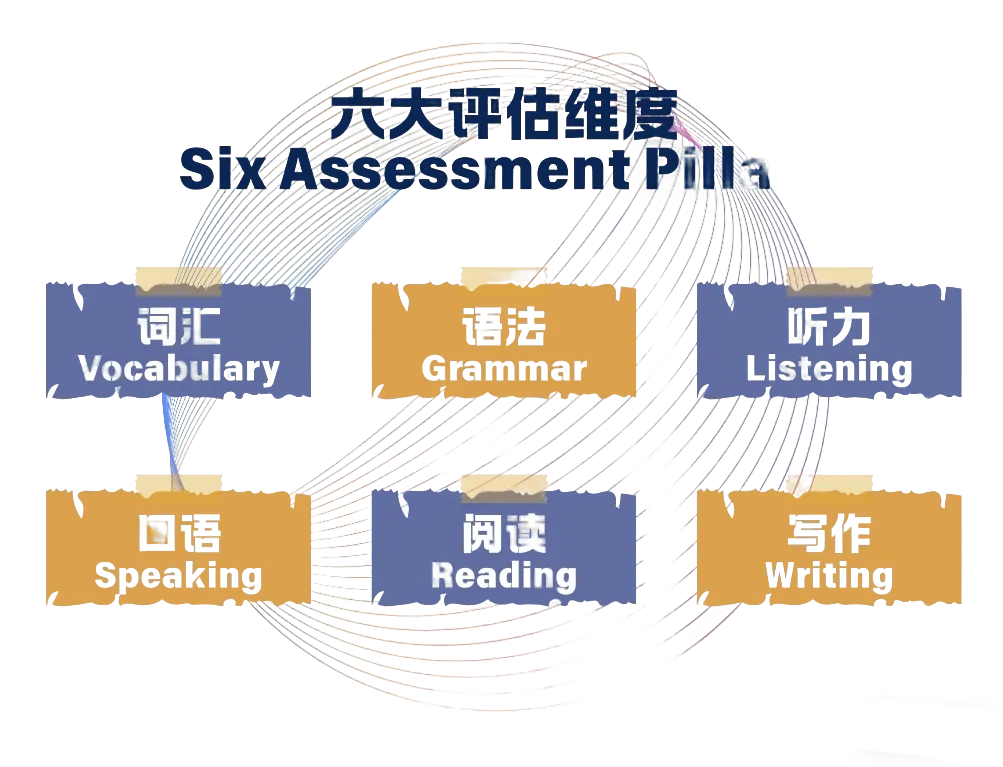
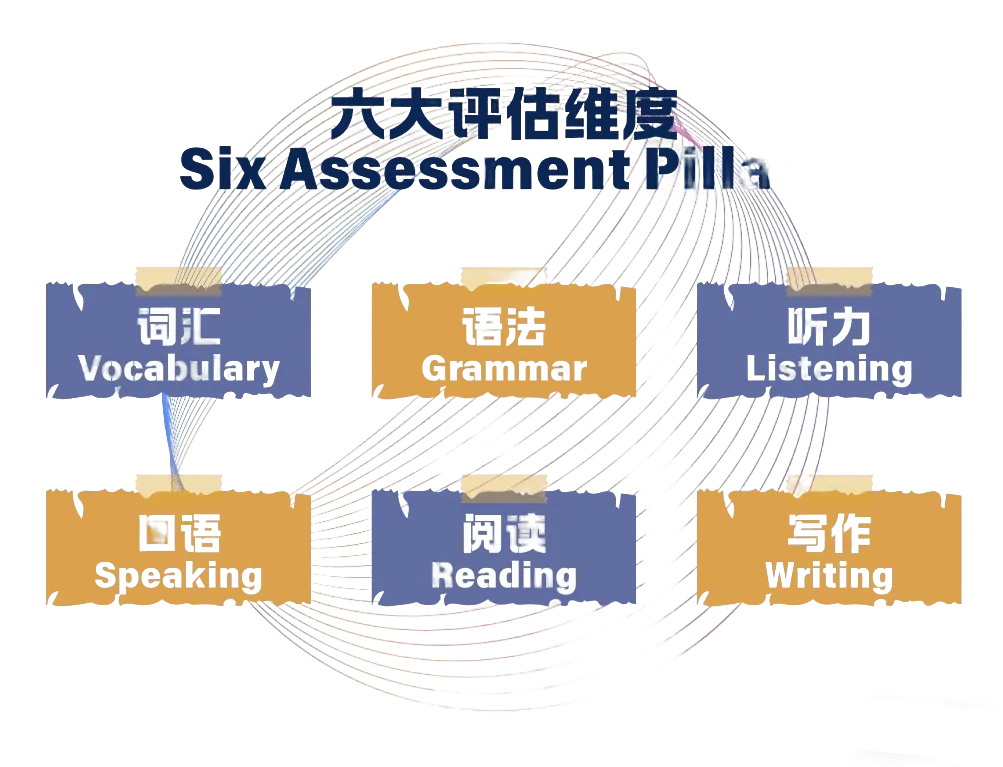
In addition to the traditional four domains—listening, speaking, reading and writing—Dr Suzanne deliberately introduced two additional components: grammar and vocabulary. This enables the school to identify language barriers with far greater precision.
“Poor writing, for example, can have many underlying causes,” Dr Suzanne explains. “If a student hasn’t fully understood the question, that’s a reading issue. If they understand it but can’t express themselves, that’s a vocabulary issue. And if they have the words but the sentence doesn’t work, that’s a grammatical structure issue. Only by pinpointing the exact obstacle can we intervene effectively.”
During the baseline assessment, students complete tasks across all six domains, spanning four CEFR levels—A1, A2, B1 and B2. In one-to-one speaking assessments, teachers may begin with simple prompts such as “What’s your name?” and gradually progress to more abstract discussions such as “Should society prioritise preserving ancient buildings or constructing modern ones—and why?” This layered assessment process allows teachers not only to locate a student’s current level with accuracy, but also to anticipate their potential for progression.
According to the CEFR framework, students are expected to reach A2 by the end of Year 7, B1 by the end of Year 8, and B2 by the end of Year 9 in order to transition smoothly into IGCSE and A Level studies.
Following the baseline assessment, students who have not yet met these benchmarks are automatically enrolled in the Language Acquisition Programme. In addition to their regular English lessons, they receive extra, year-specific language support—often through small-group or targeted sessions—to close gaps efficiently and regain momentum. In some cases, students may receive up to 25 English lessons per week. “This is not only about achieving success in IGCSE or A Level,” Dr Suzanne notes. “It is also about preparing students for life and study abroad in the future.”

A CLEARLY STRUCTURED IN-HOUSE CURRICULUM
Once gaps have been accurately identified, the next crucial question arises: How do we teach in a way that ensures genuine progress?
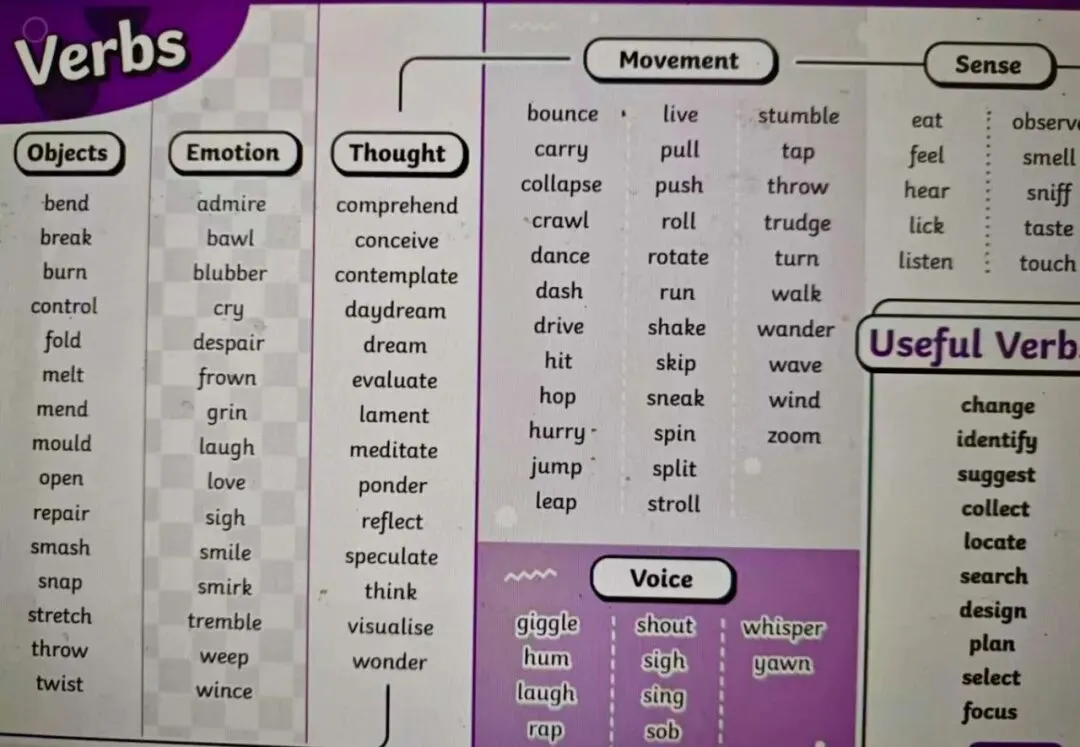
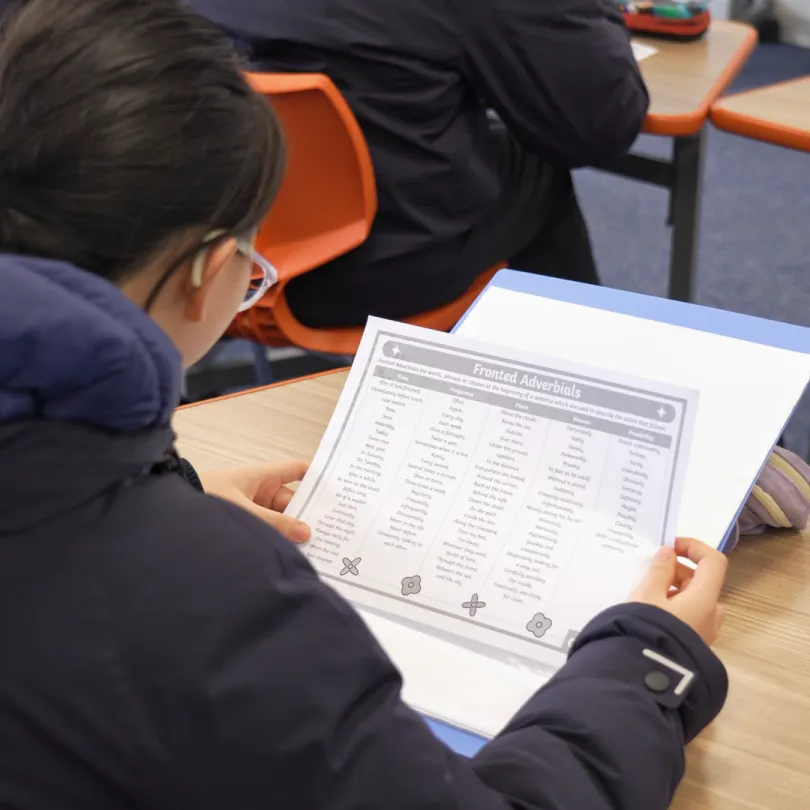
Dr Suzanne is candid: because the programme aims for meaningful improvement within a limited timeframe, Language Acquisition cannot follow the slow, theme-based approach typical of conventional ESL or EAL classes. Instead, it tackles the most challenging foundations head-on. Instruction begins with core vocabulary—“100 common nouns”, “100 common adverbs”, “50 common verbs”—before layering in essential grammatical structures such as tenses and clauses, and ultimately integrating these skills into writing. Daily homework reinforces learning through immediate application, ensuring that progress is built through consistent effort.
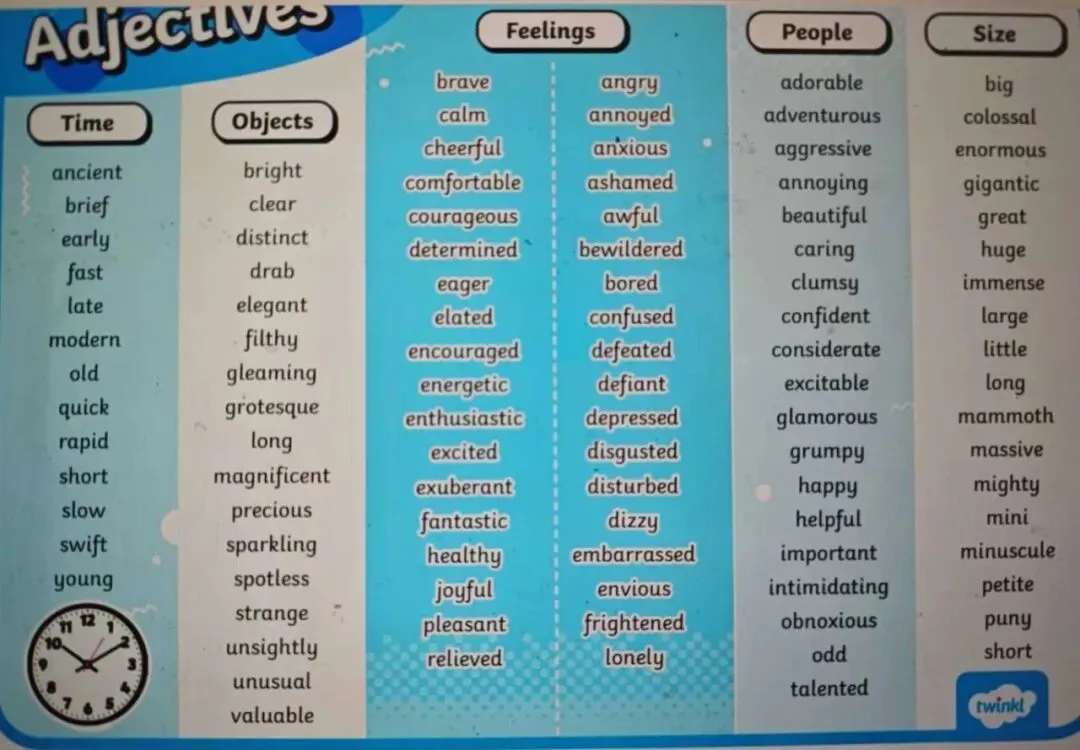
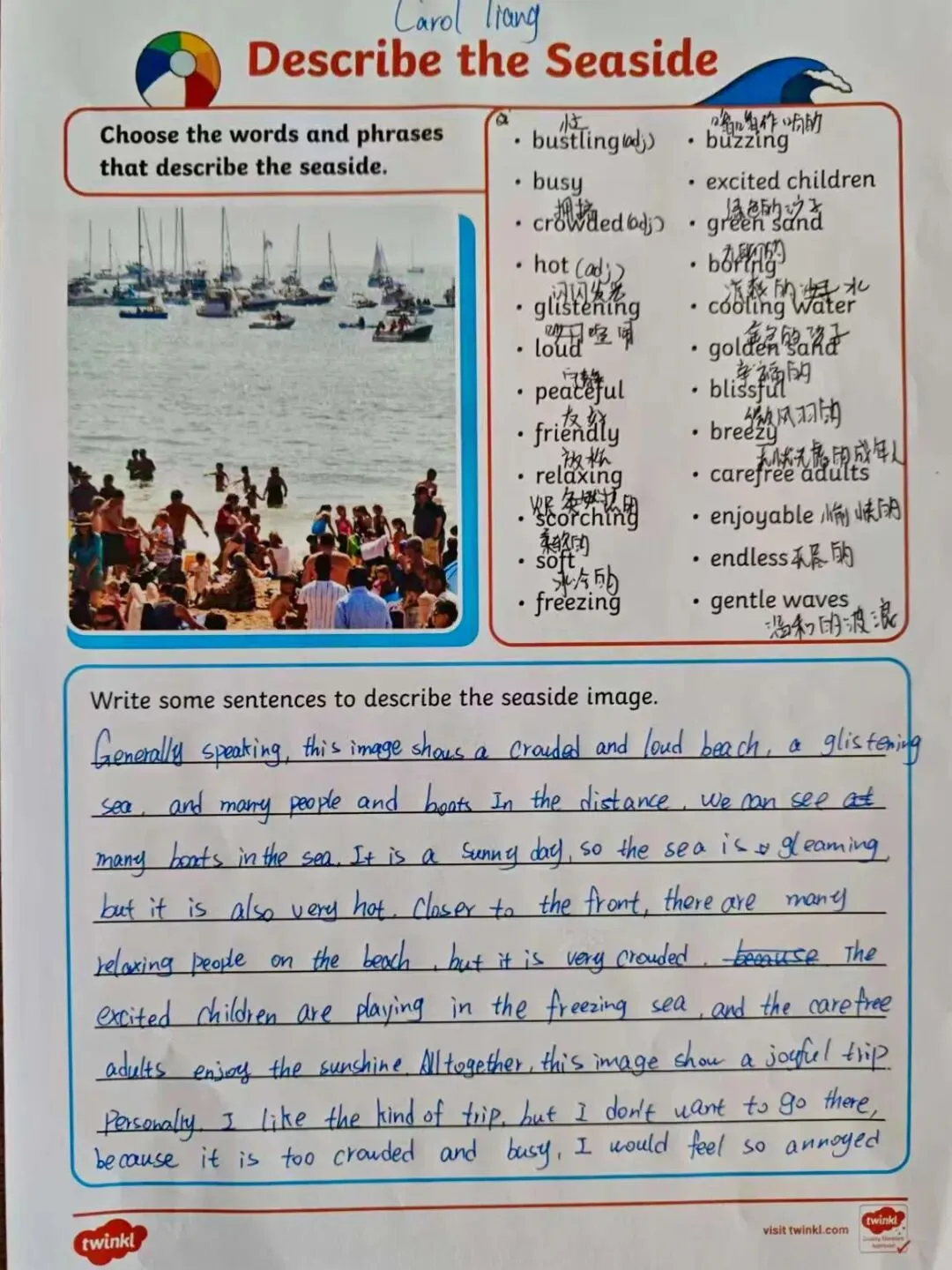
“Second-language learners often encounter a very common plateau,” Dr Suzanne explains. “Once they learn words like big or beautiful, they stop pushing themselves to acquire richer synonyms such as magnificent or fantastic. This limits their language development and prevents them from expressing more complex ideas. That’s why vocabulary is our primary breakthrough point.”
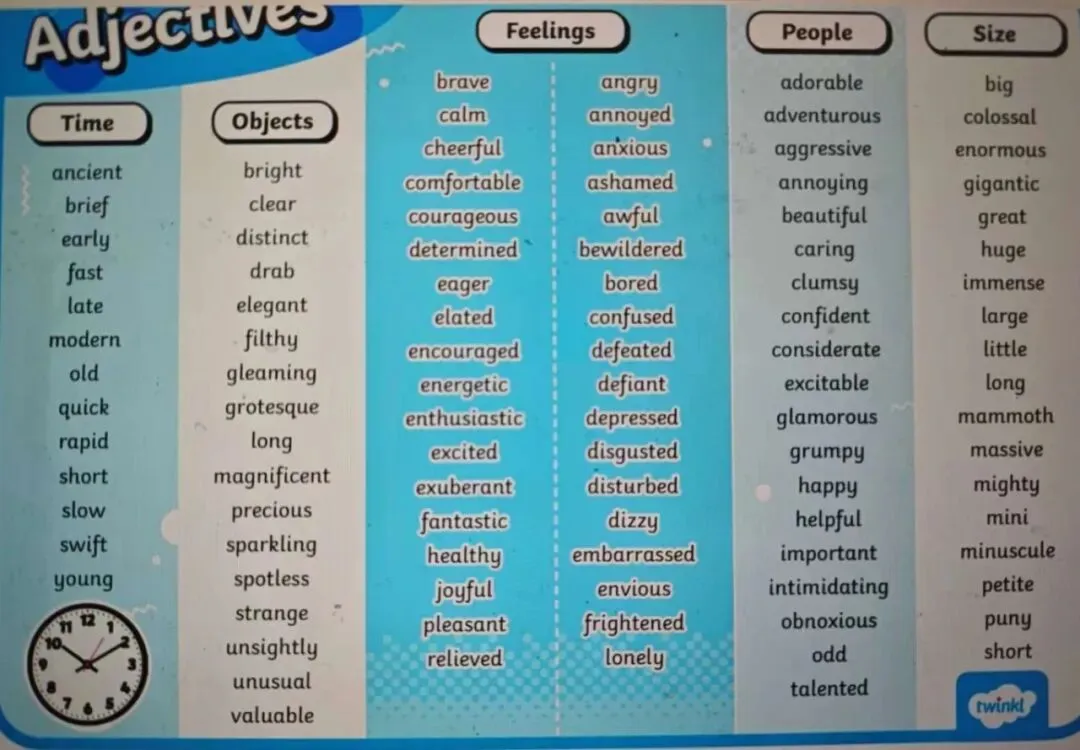
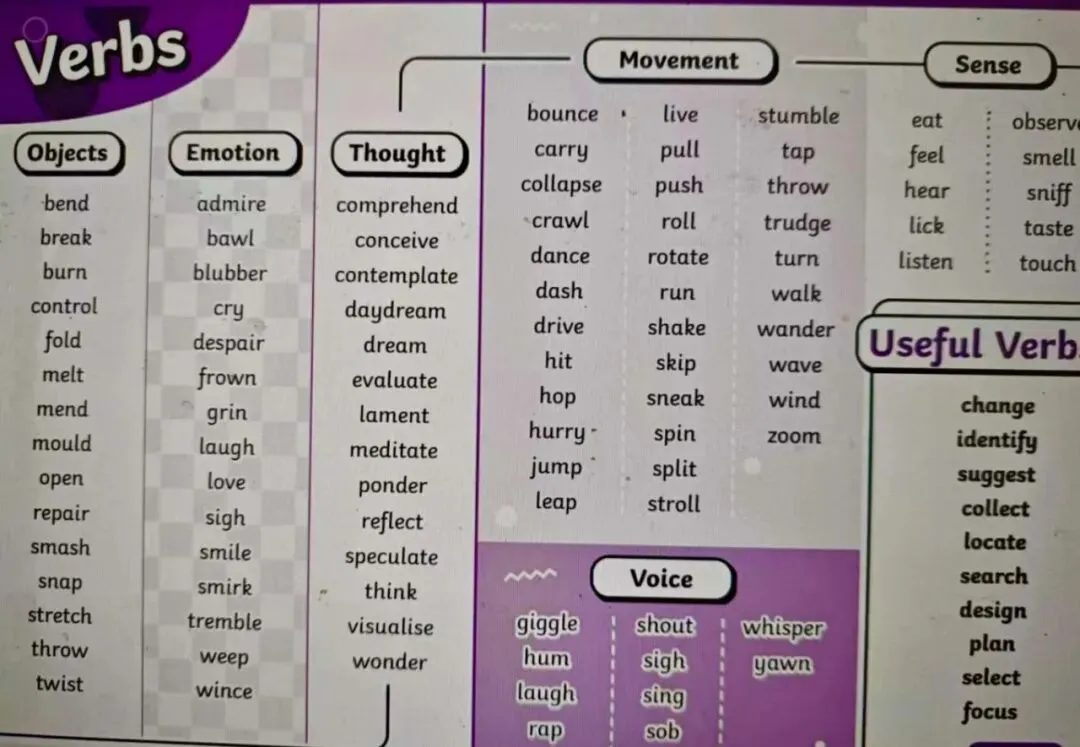
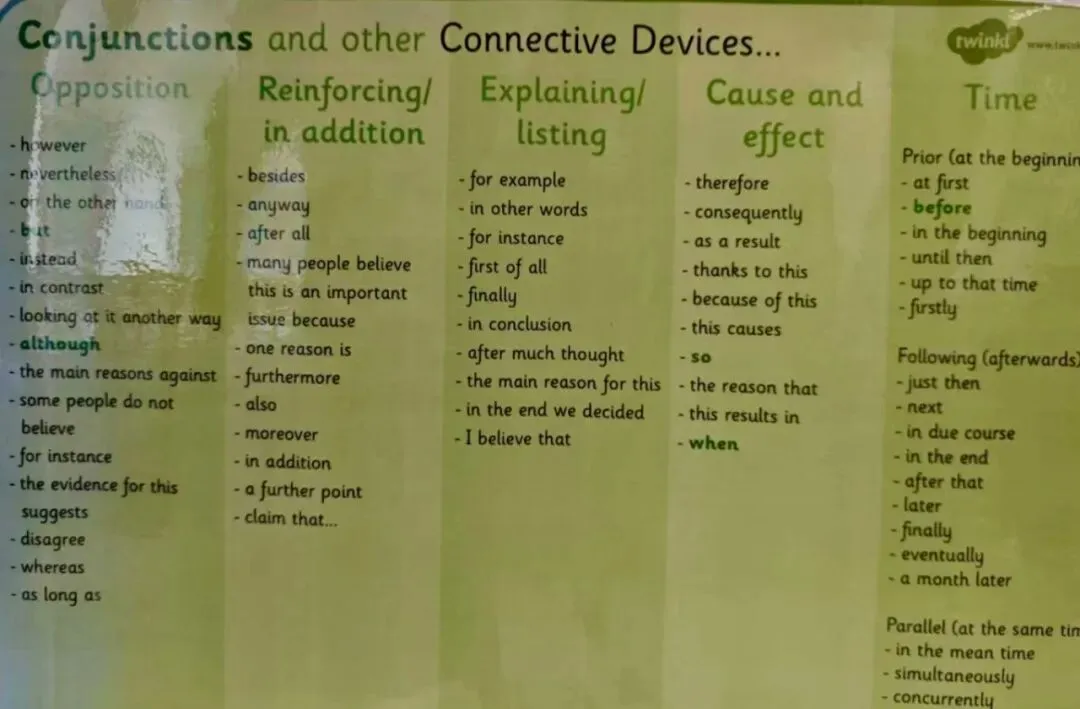
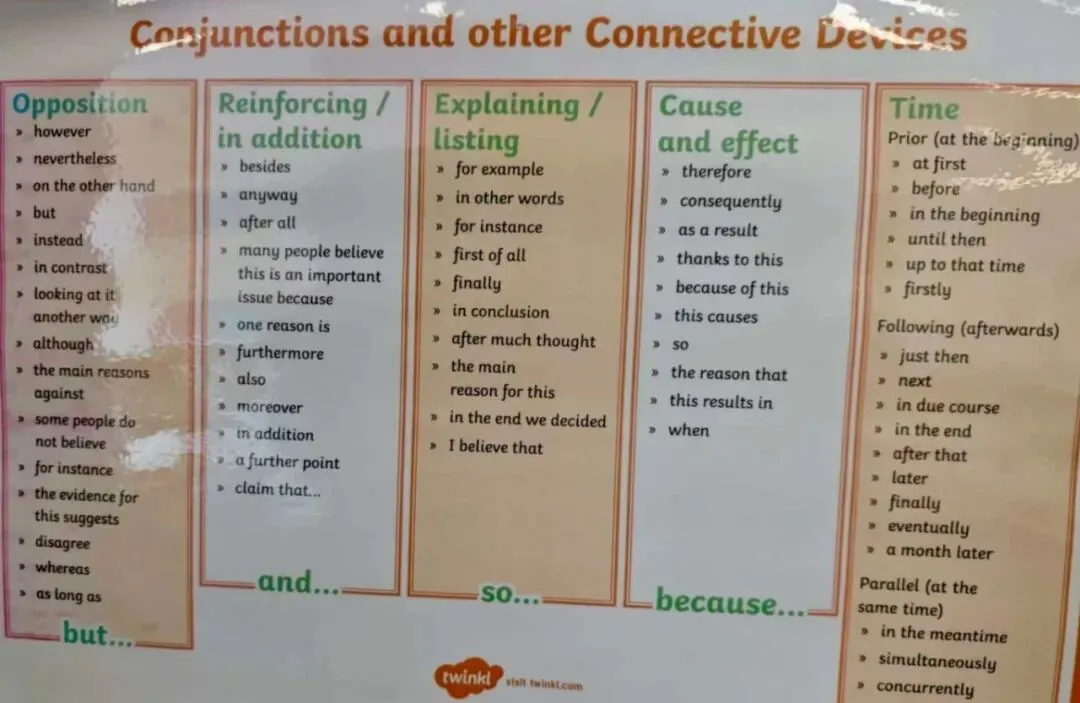
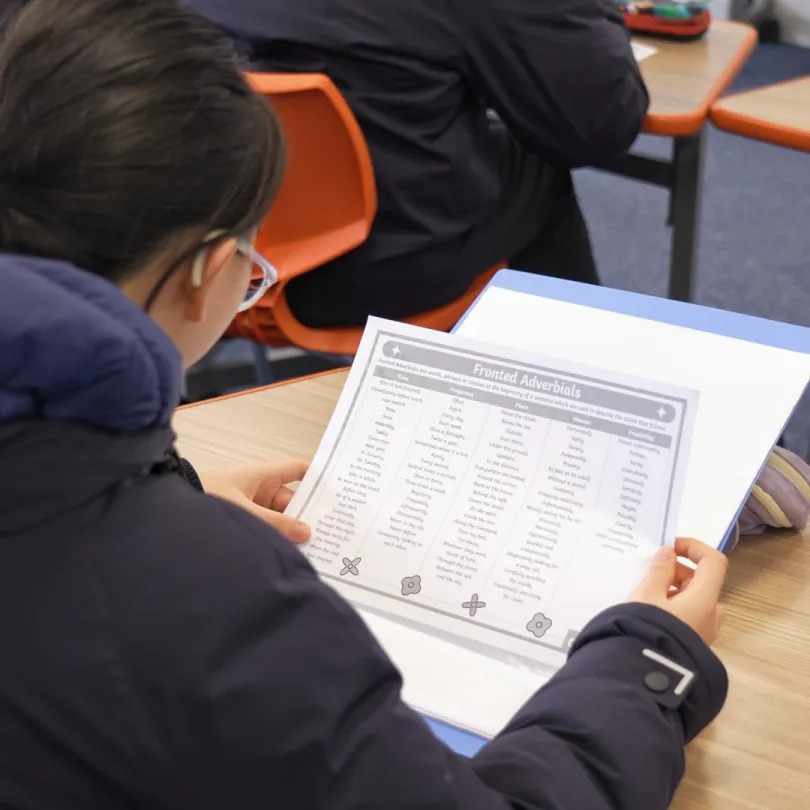
◎ Vocabulary list for children (Excerpt)
For example, students progressing from A1 to A2 may spend three weeks mastering 100 common adjectives, followed by two weeks on 100 common nouns, then three weeks on 50 common verbs and 50 less frequent verbs, before formally moving on to grammar.
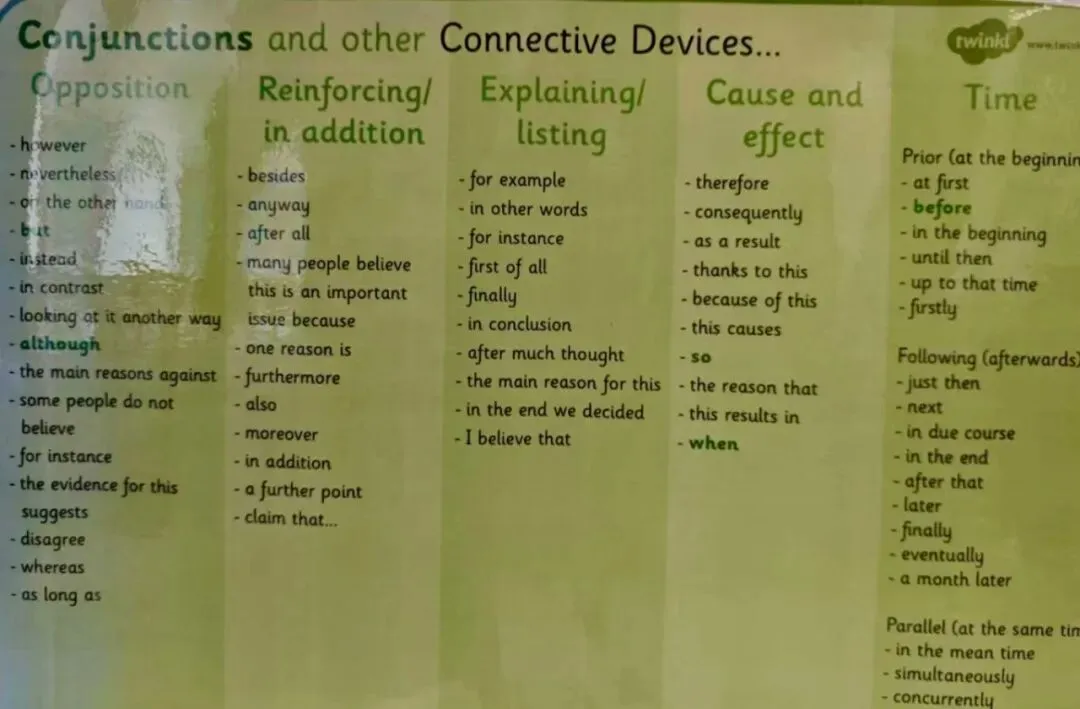
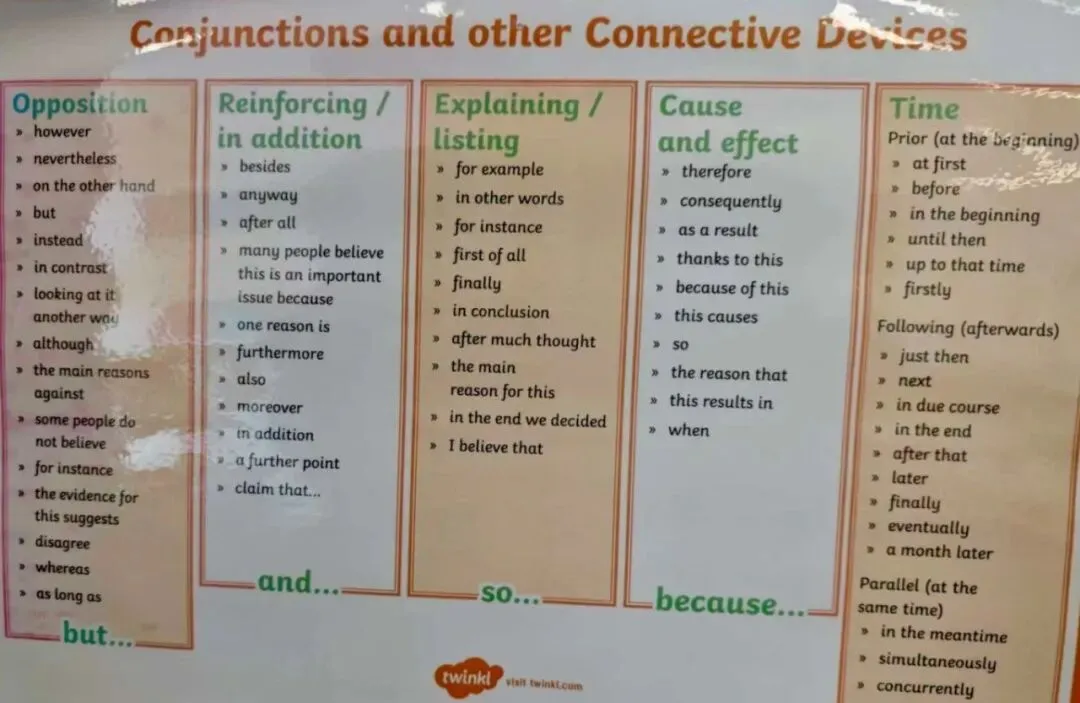
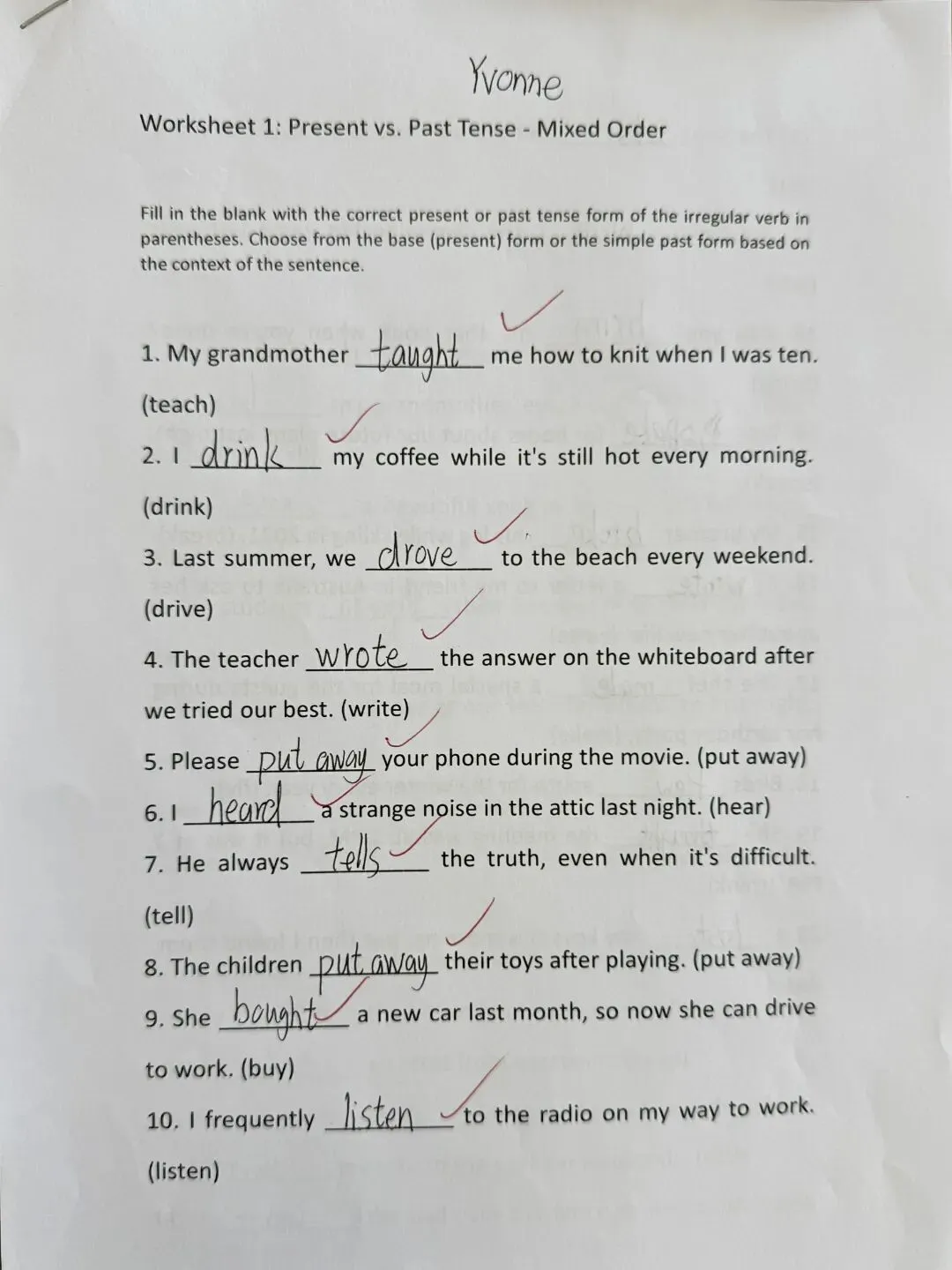
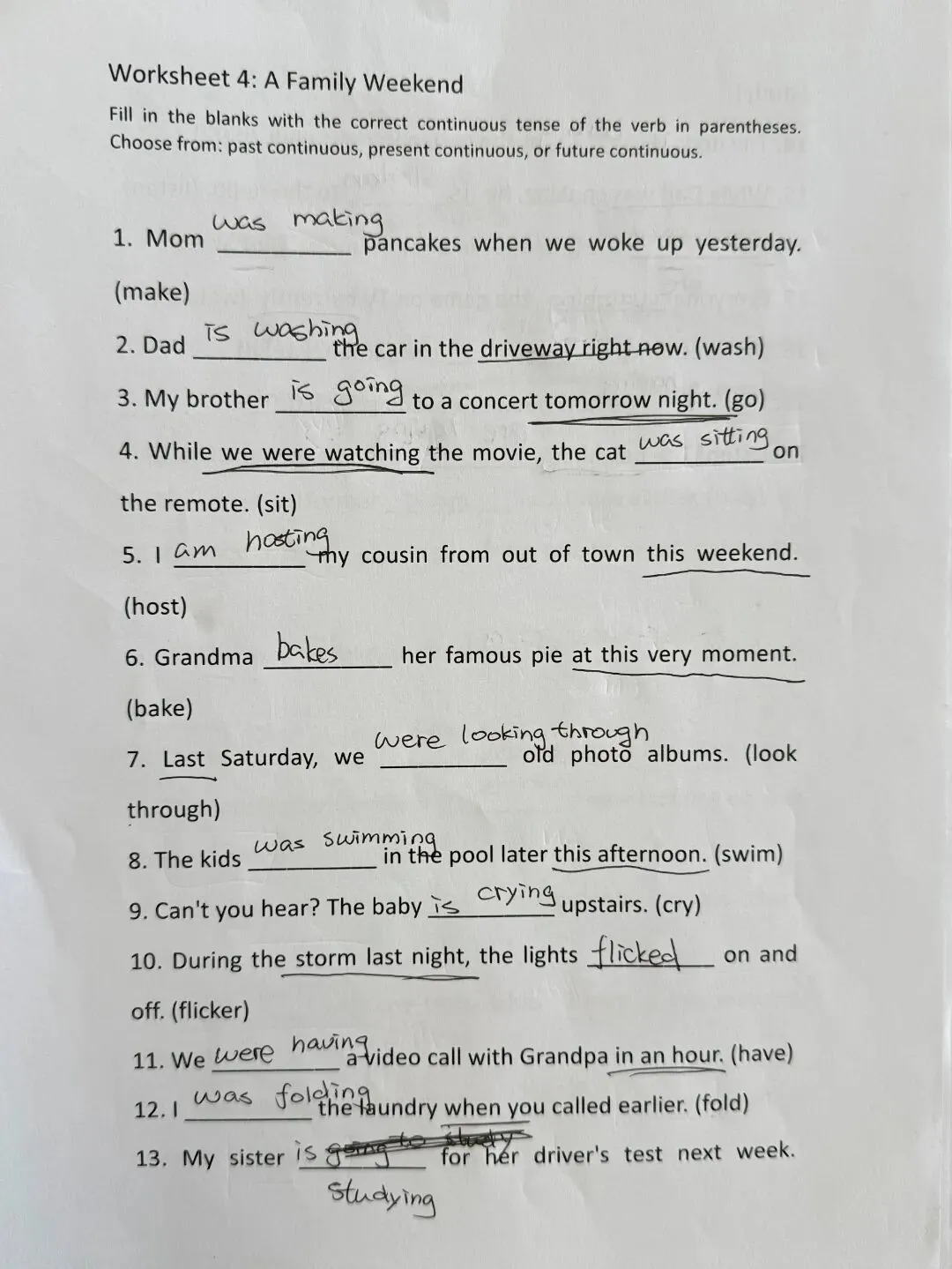
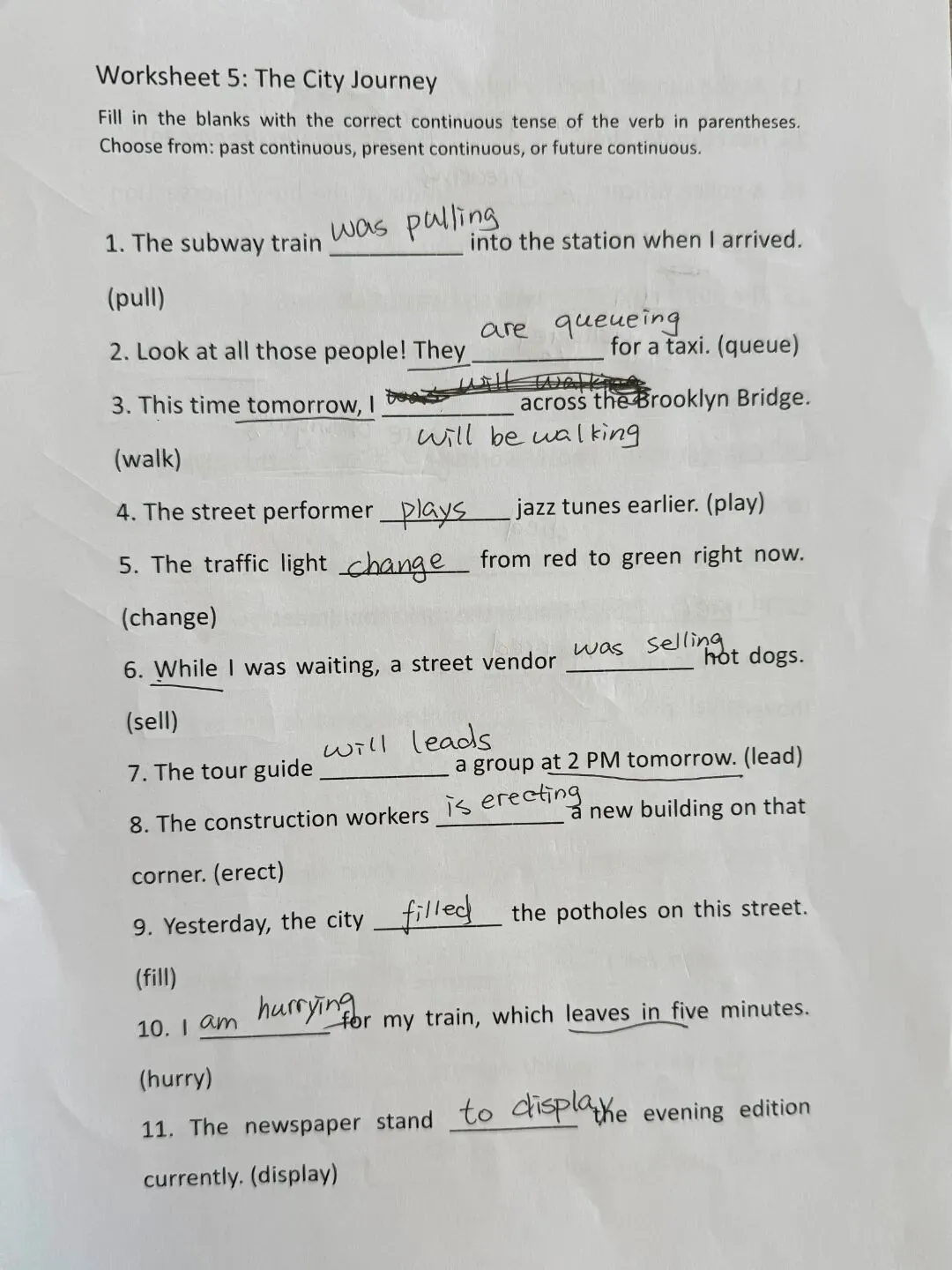
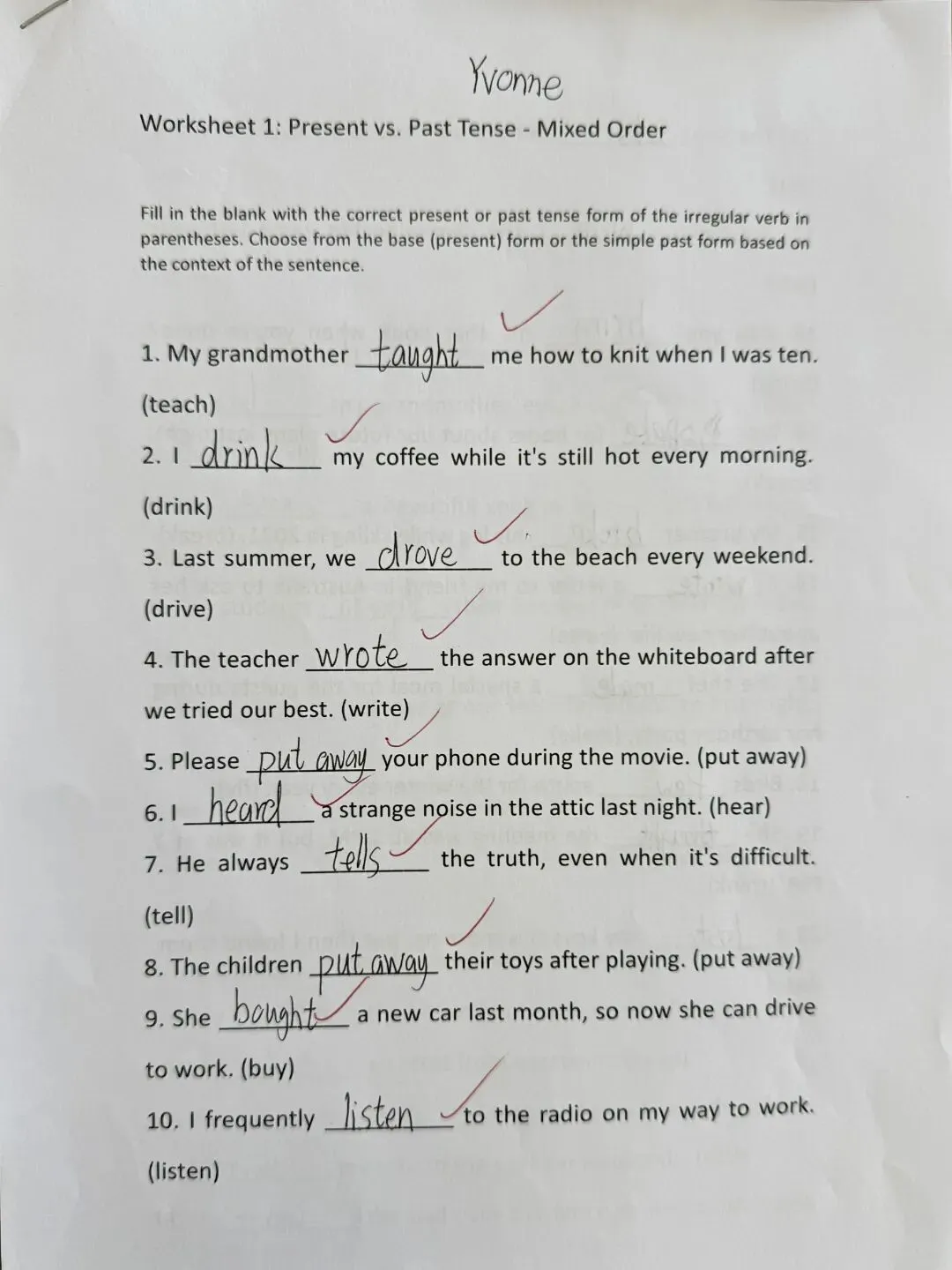
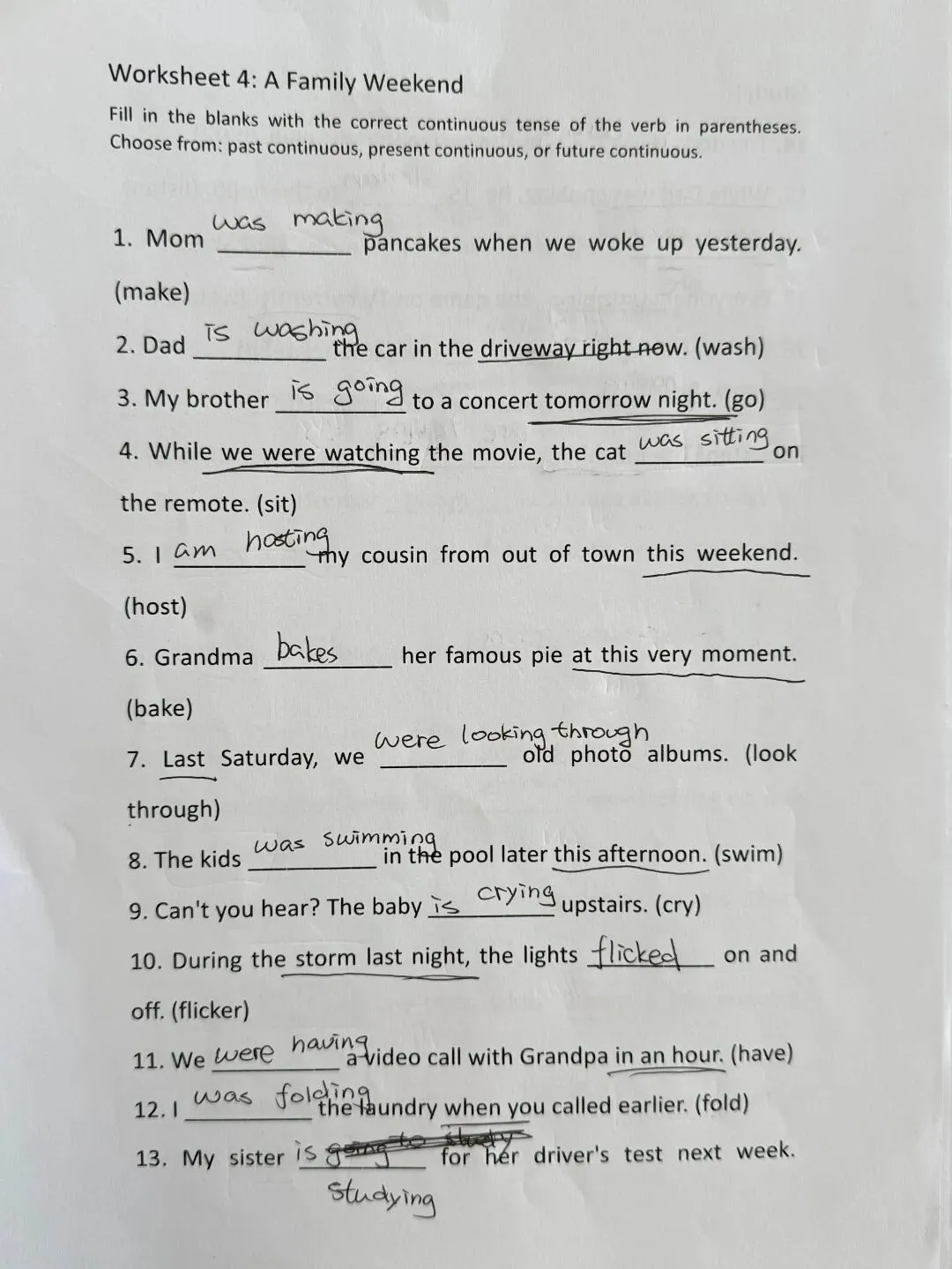
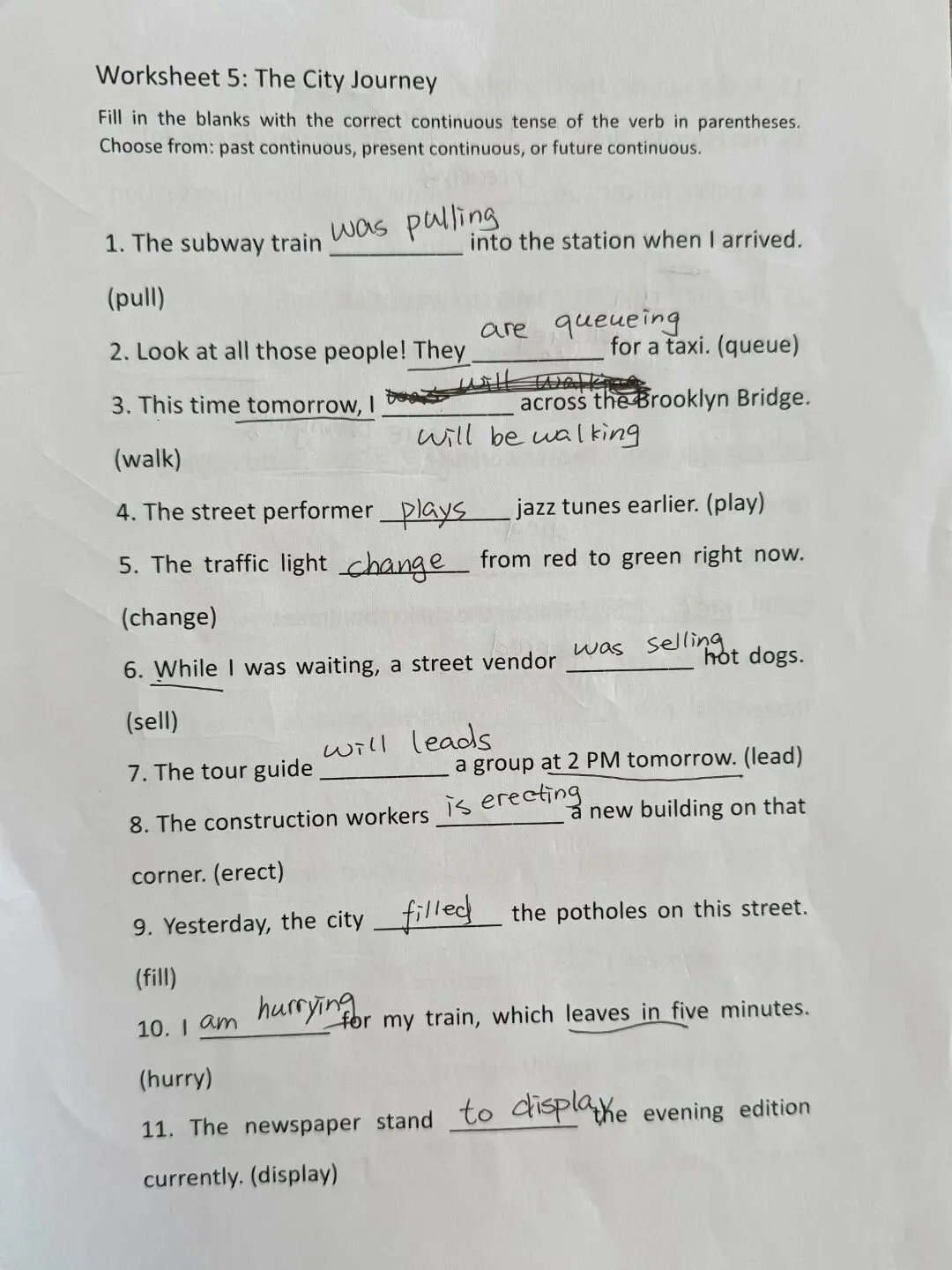
“Grammar is essentially the operating system of language—it governs how vocabulary works together,” Dr Suzanne explains. Drawing on nearly 20 years of teaching experience, she has found that students with grammatical difficulties often repeat the same mistakes. To address this, she distils complex rules into memorable formulas and reinforces them consistently in class.
“For instance: verb + verb → add ‘to’. These reminders may seem simple, but repetition is essential.” Because each student’s error patterns differ, the programme relies heavily on small-group teaching, ensuring that correction is personal and effective.
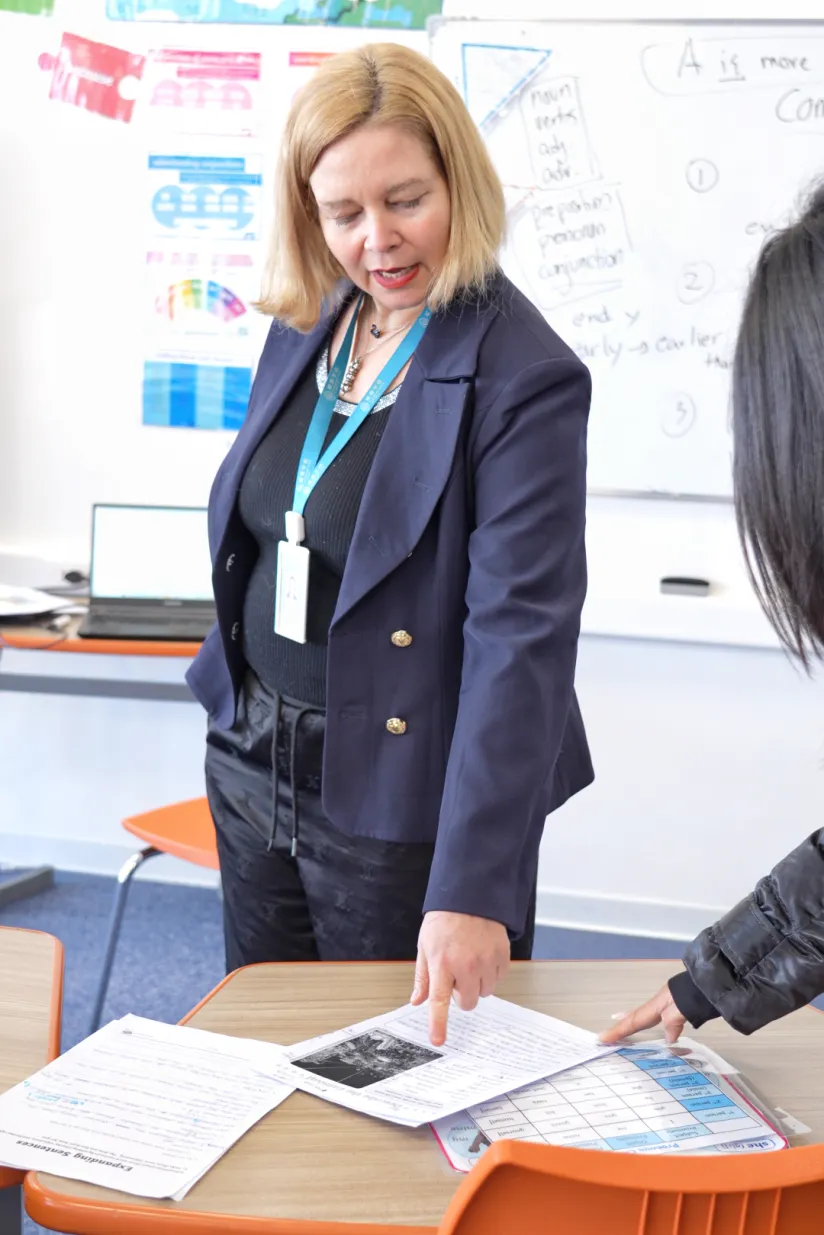
◎ Grammar Excersices for some of the students
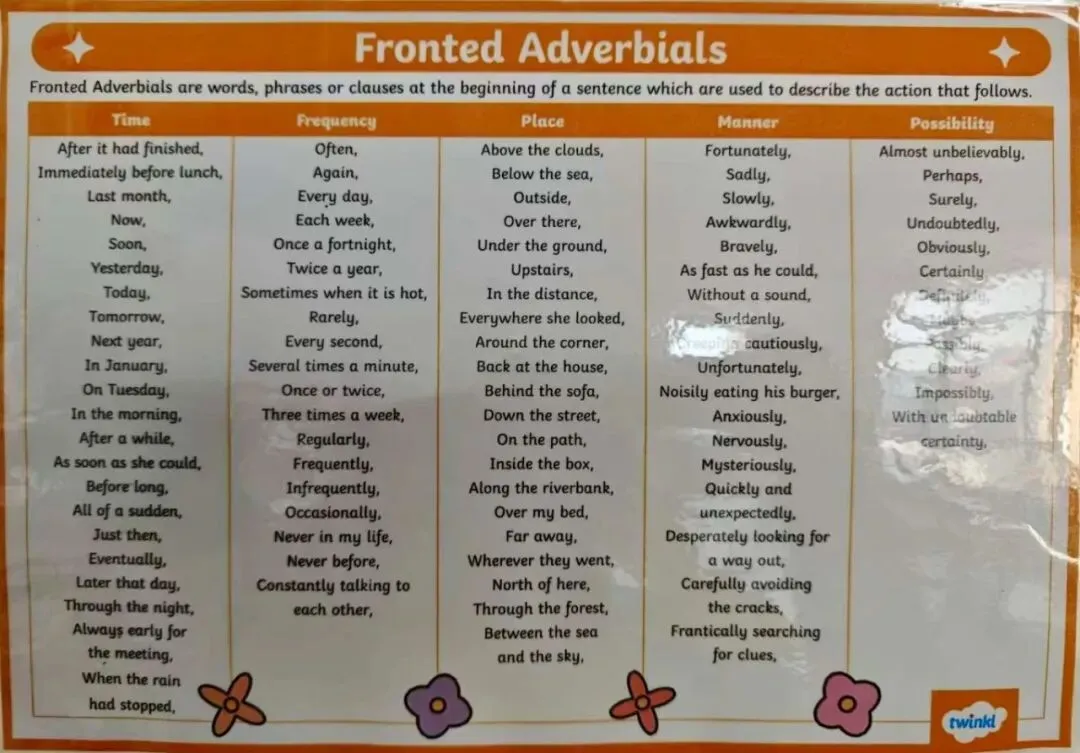
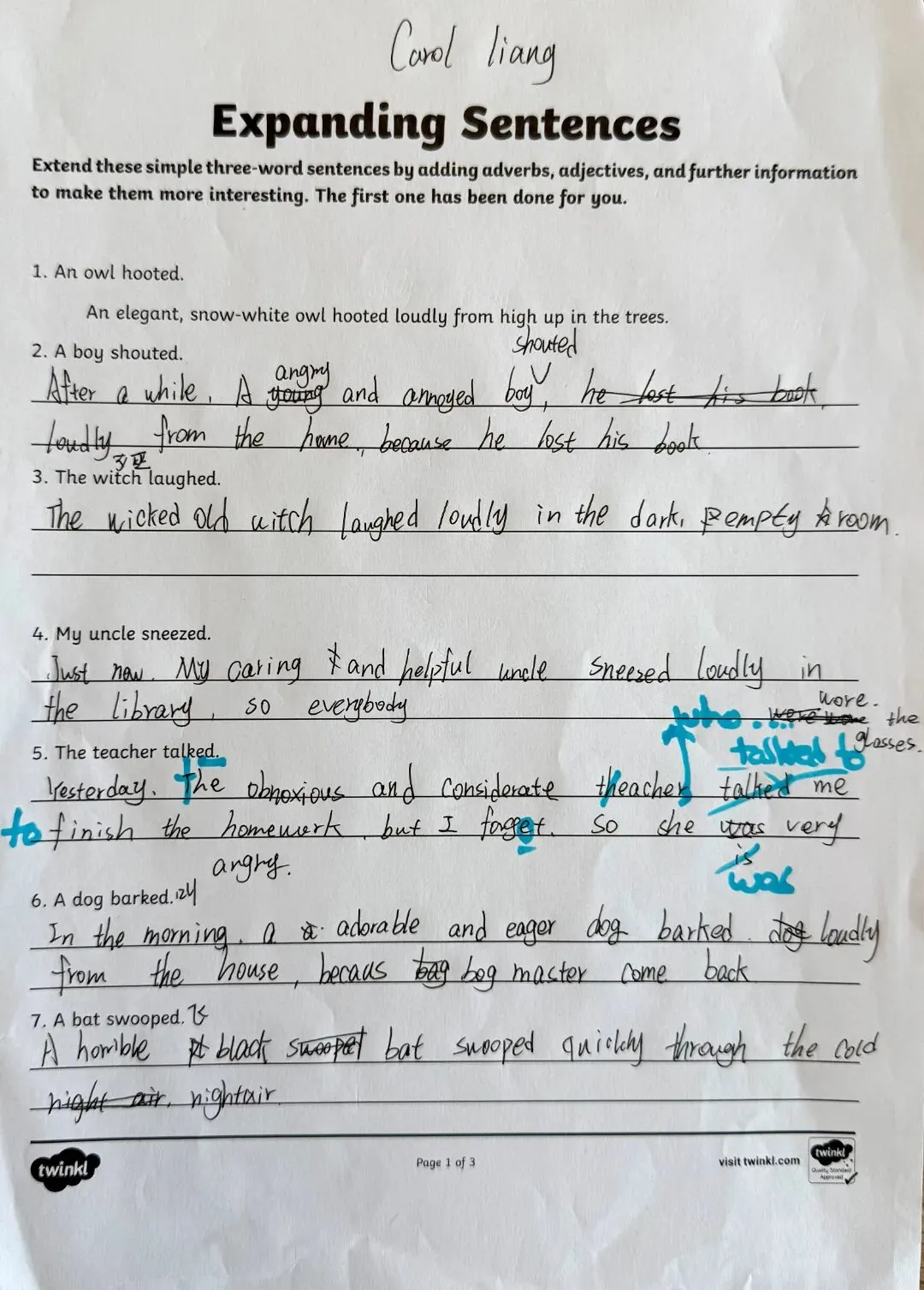
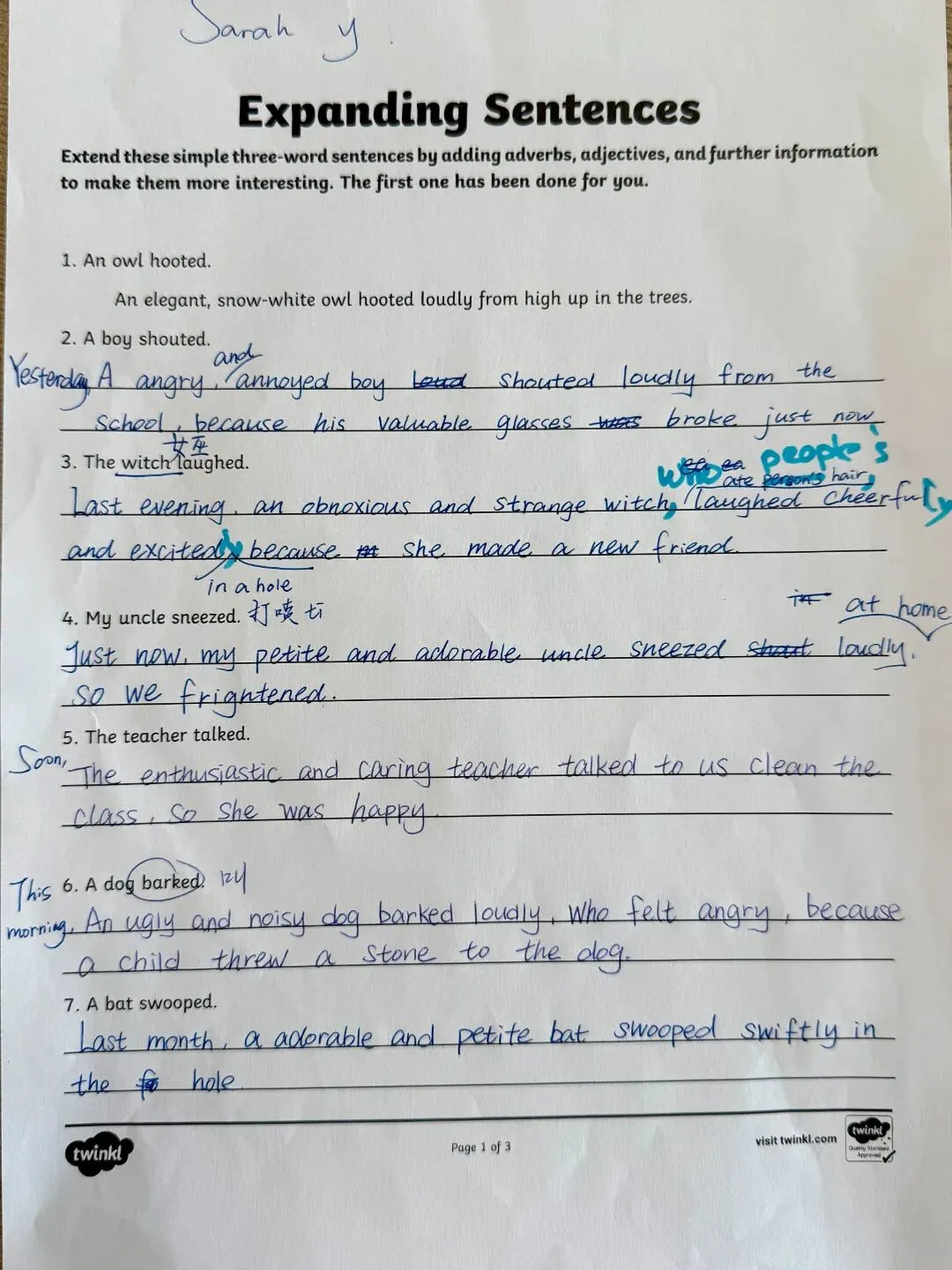
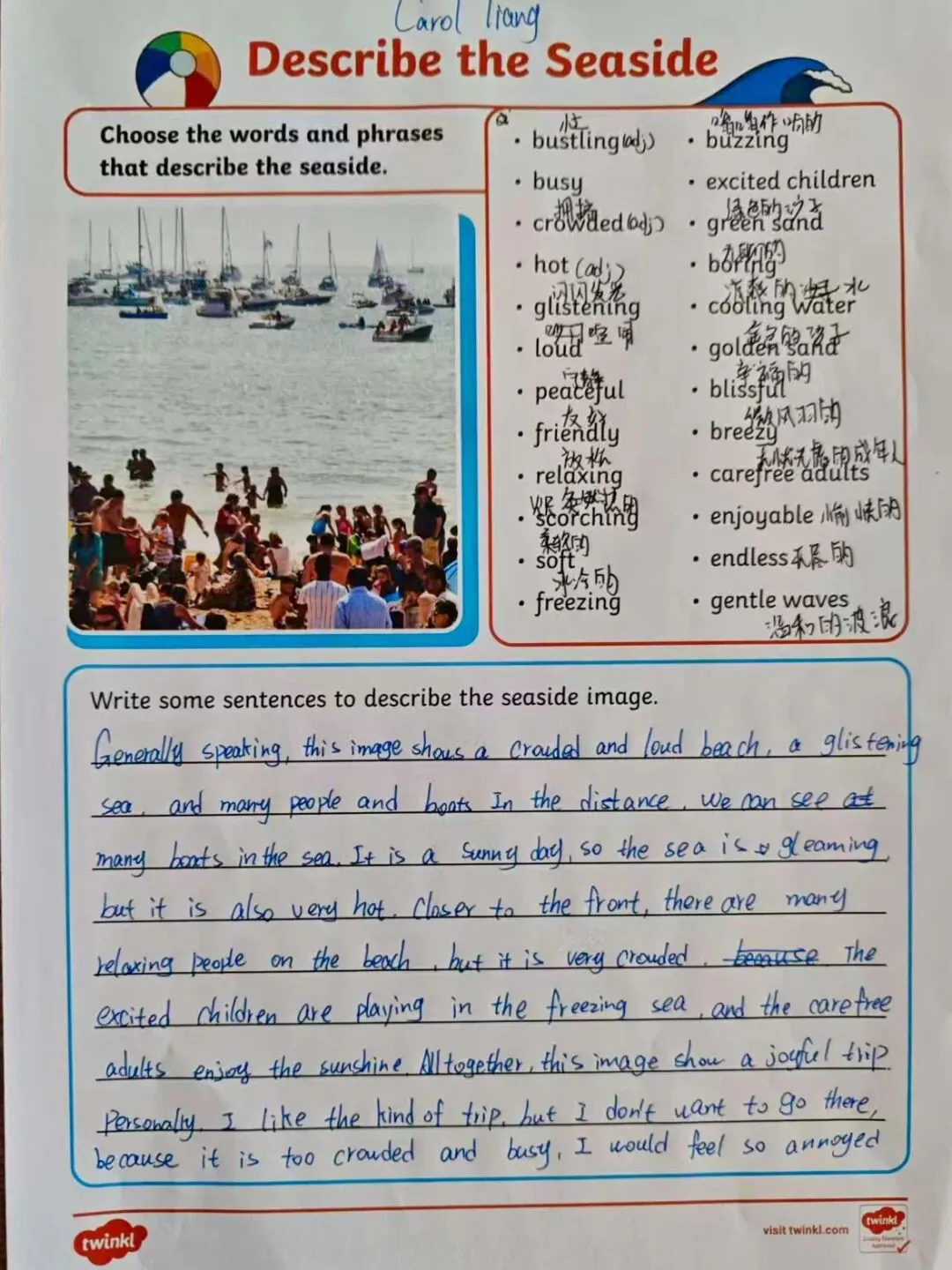
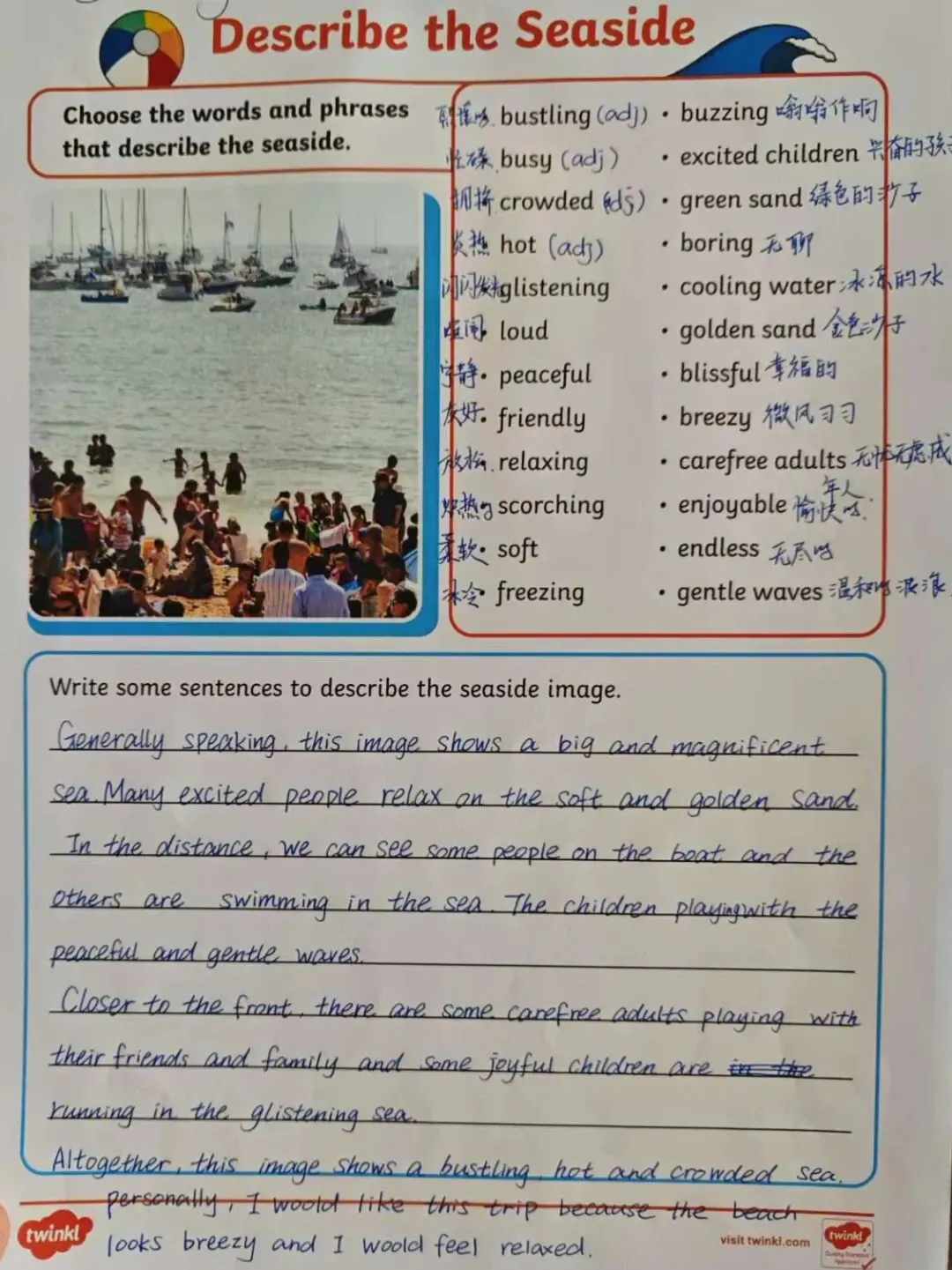
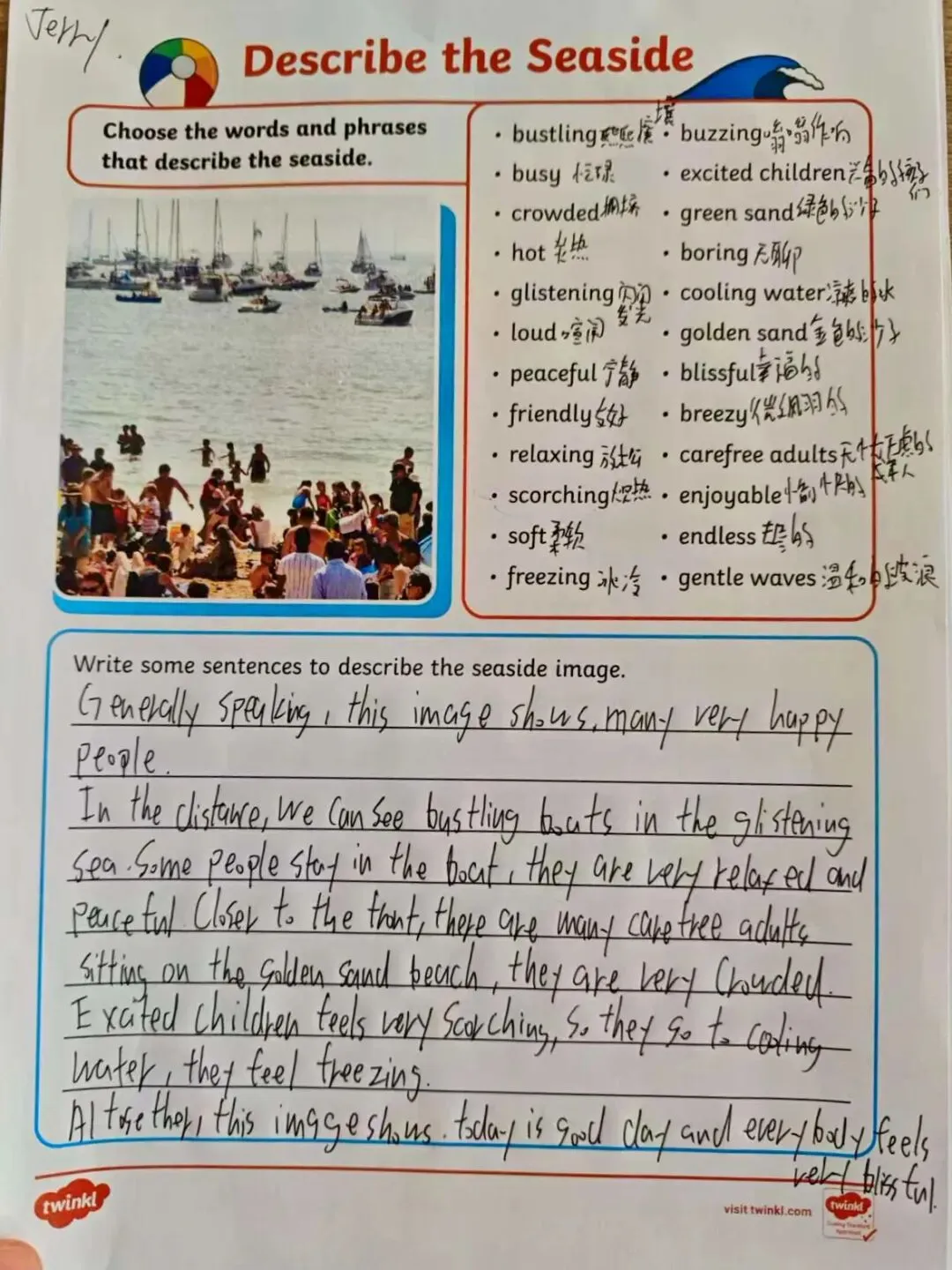
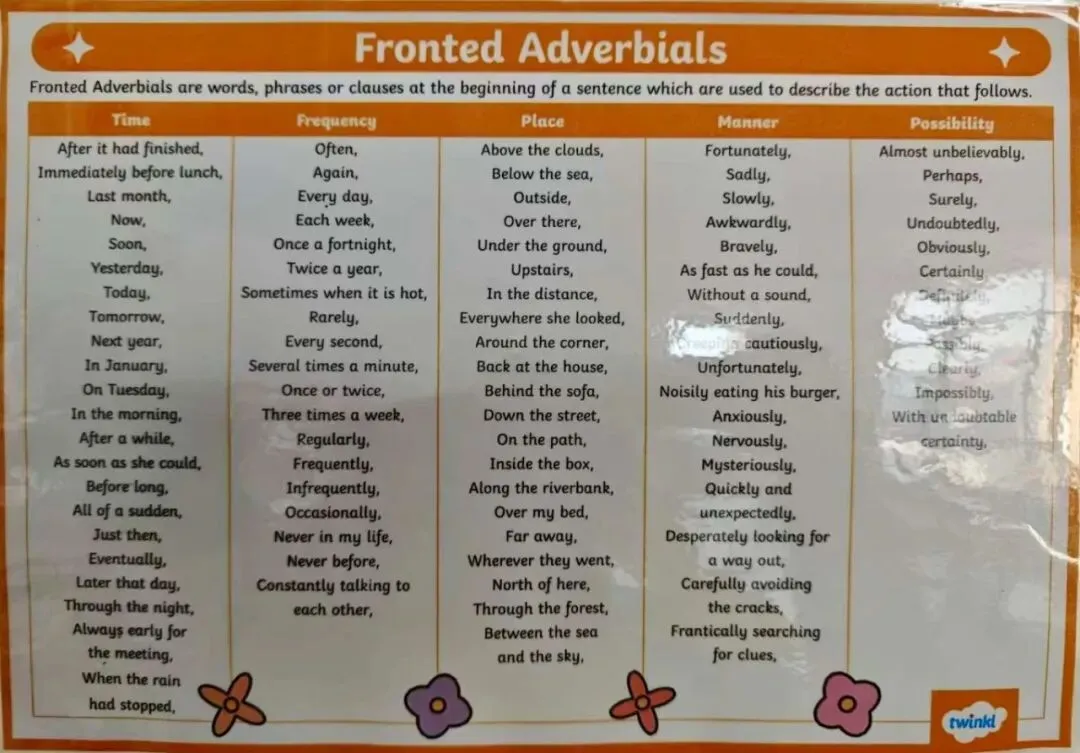
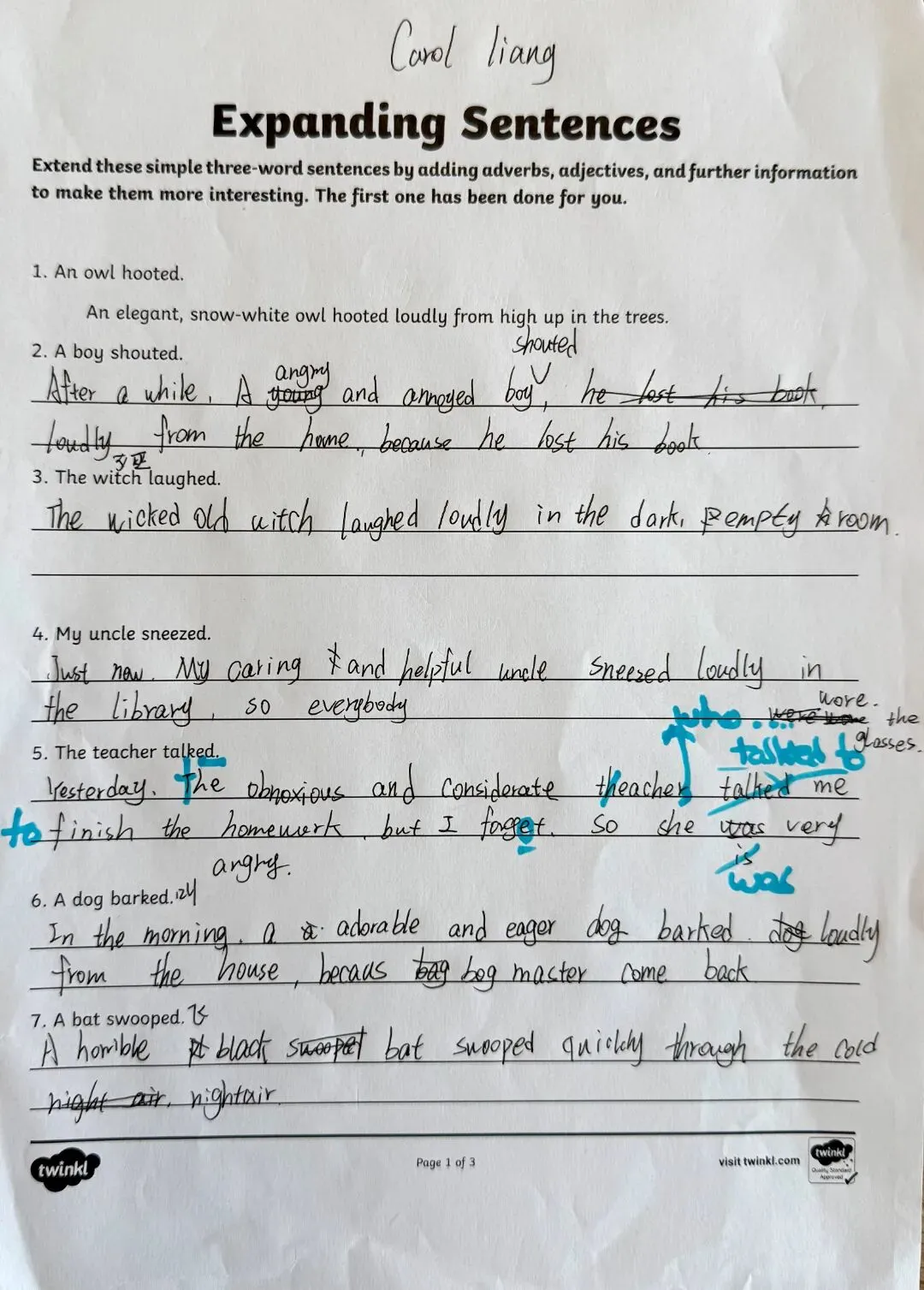
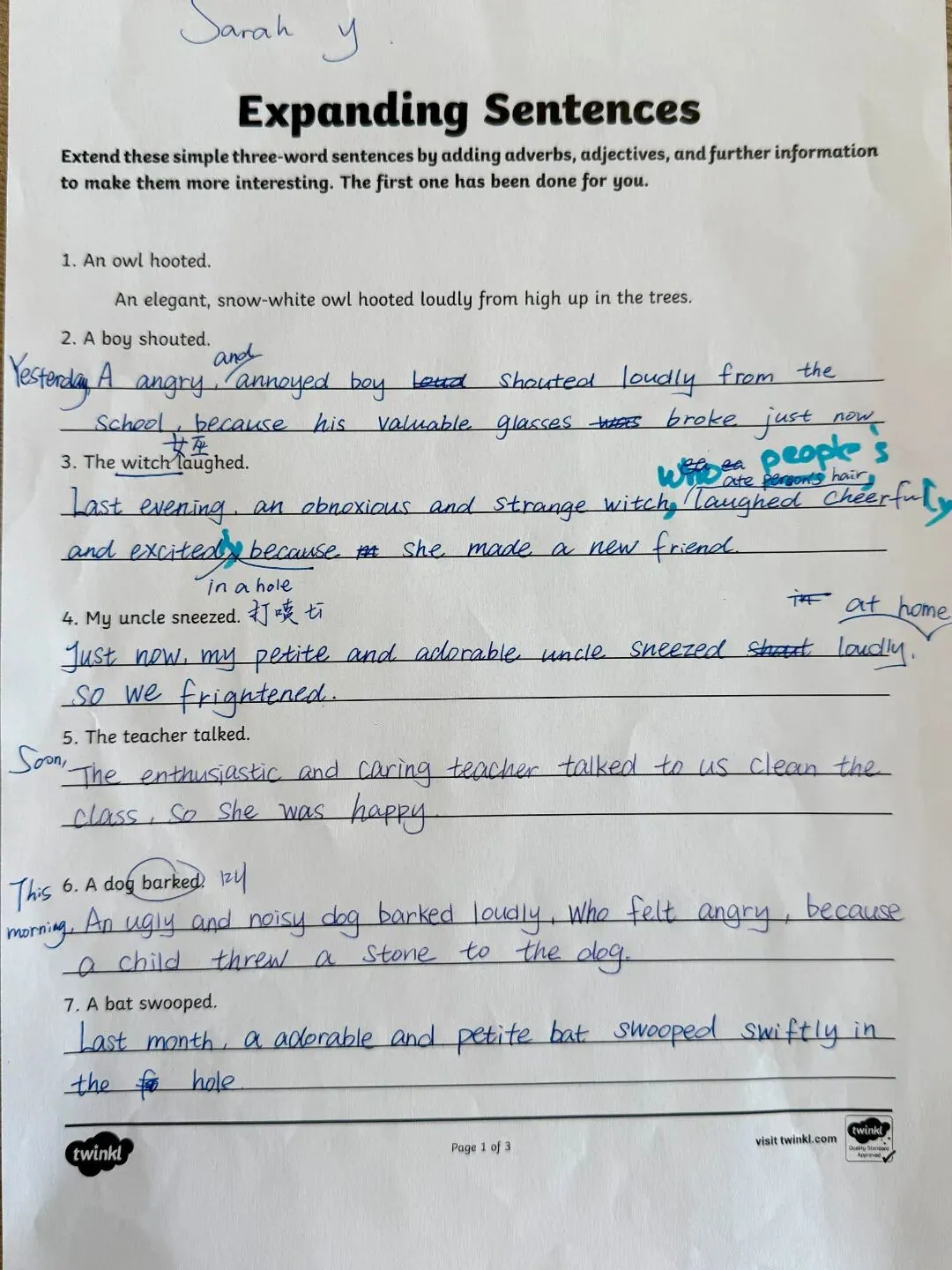
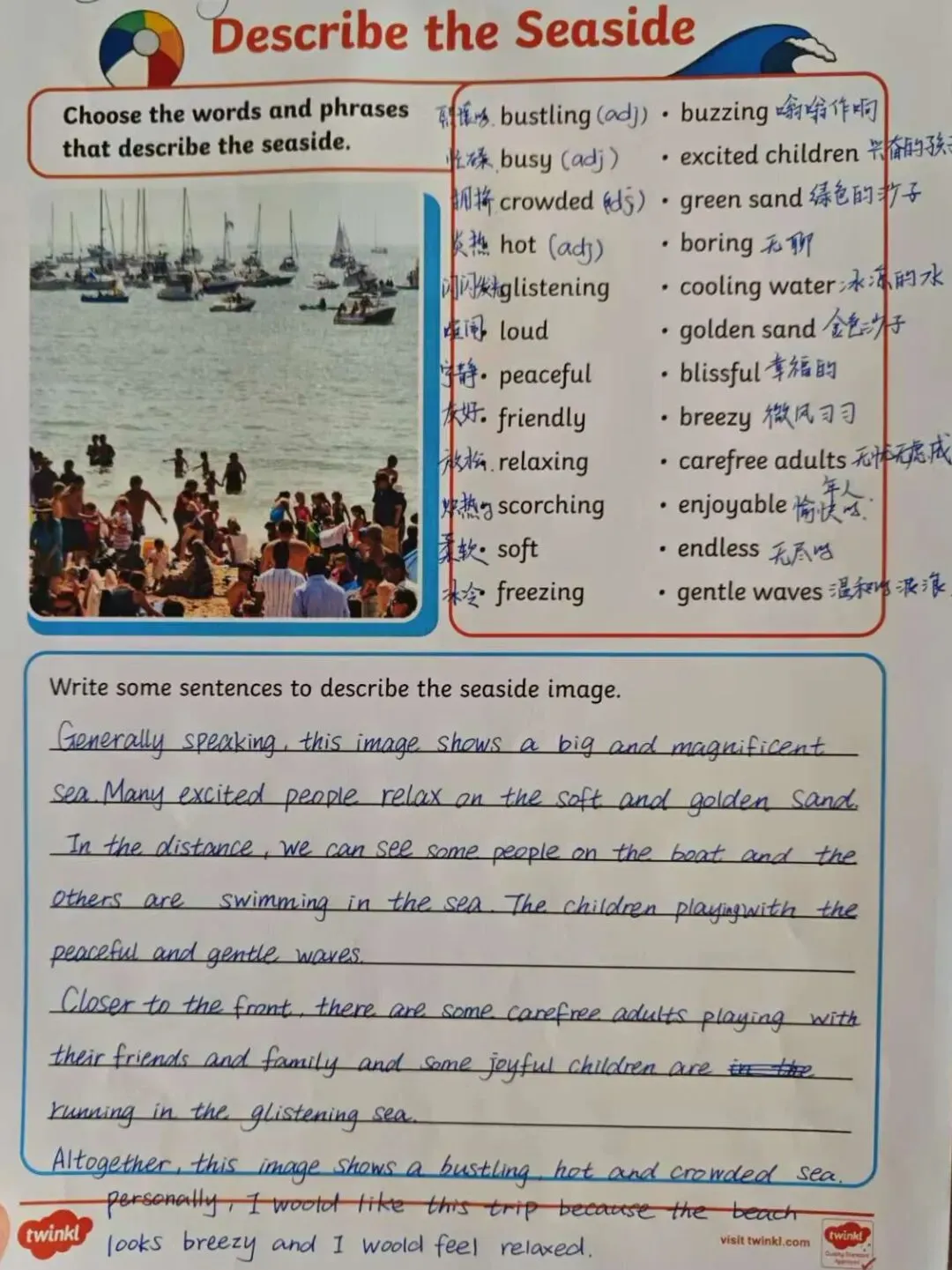
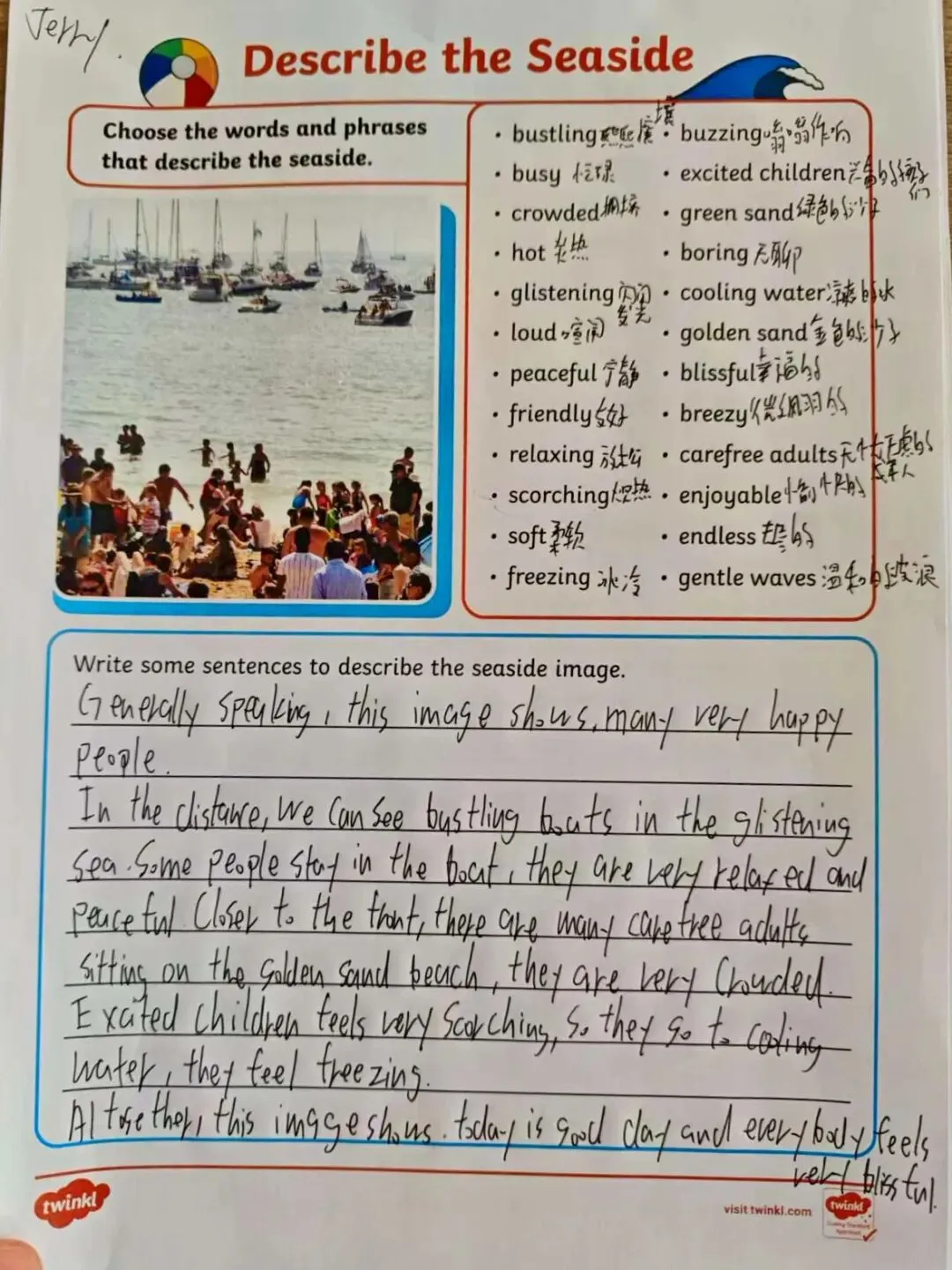
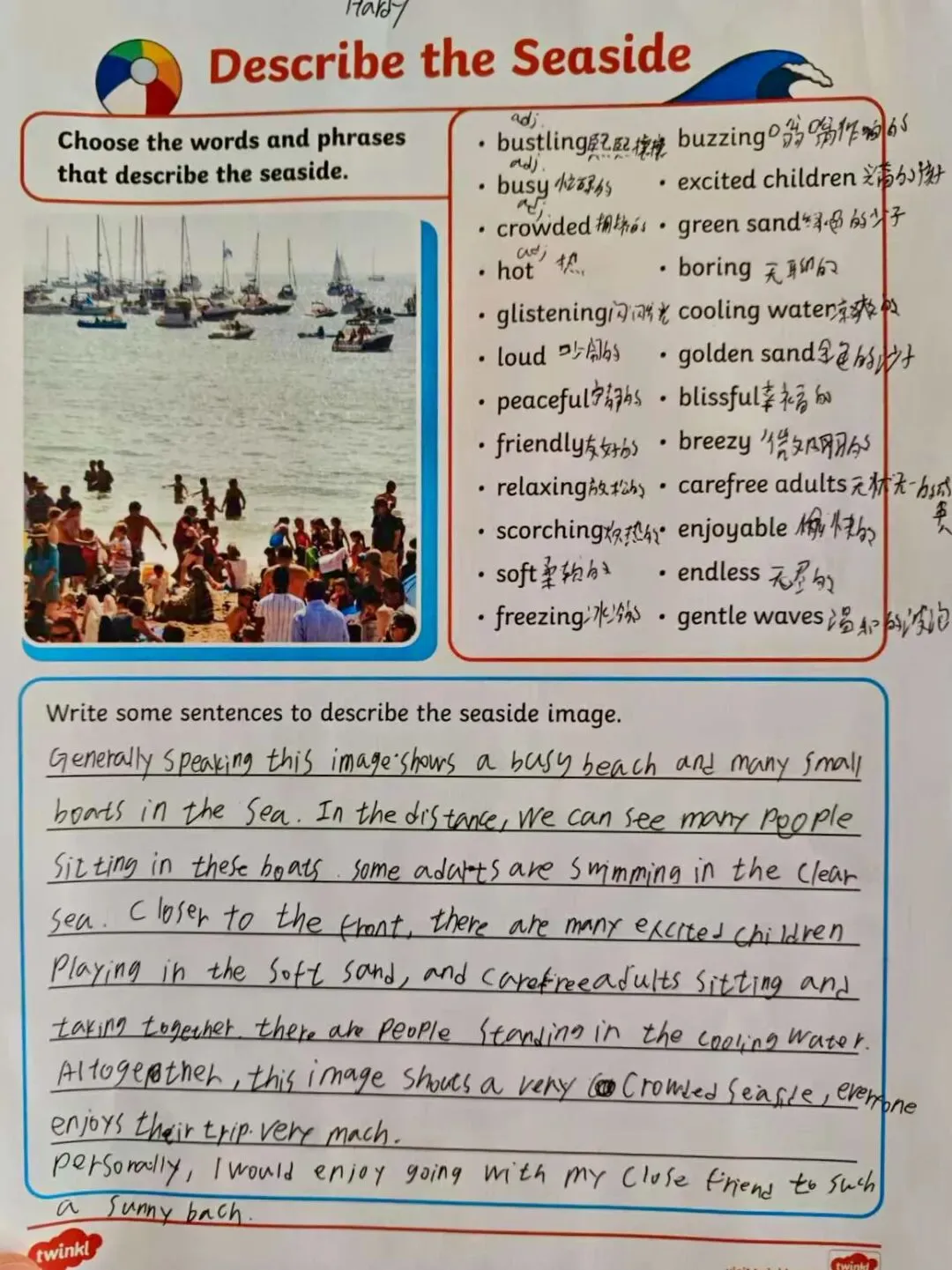
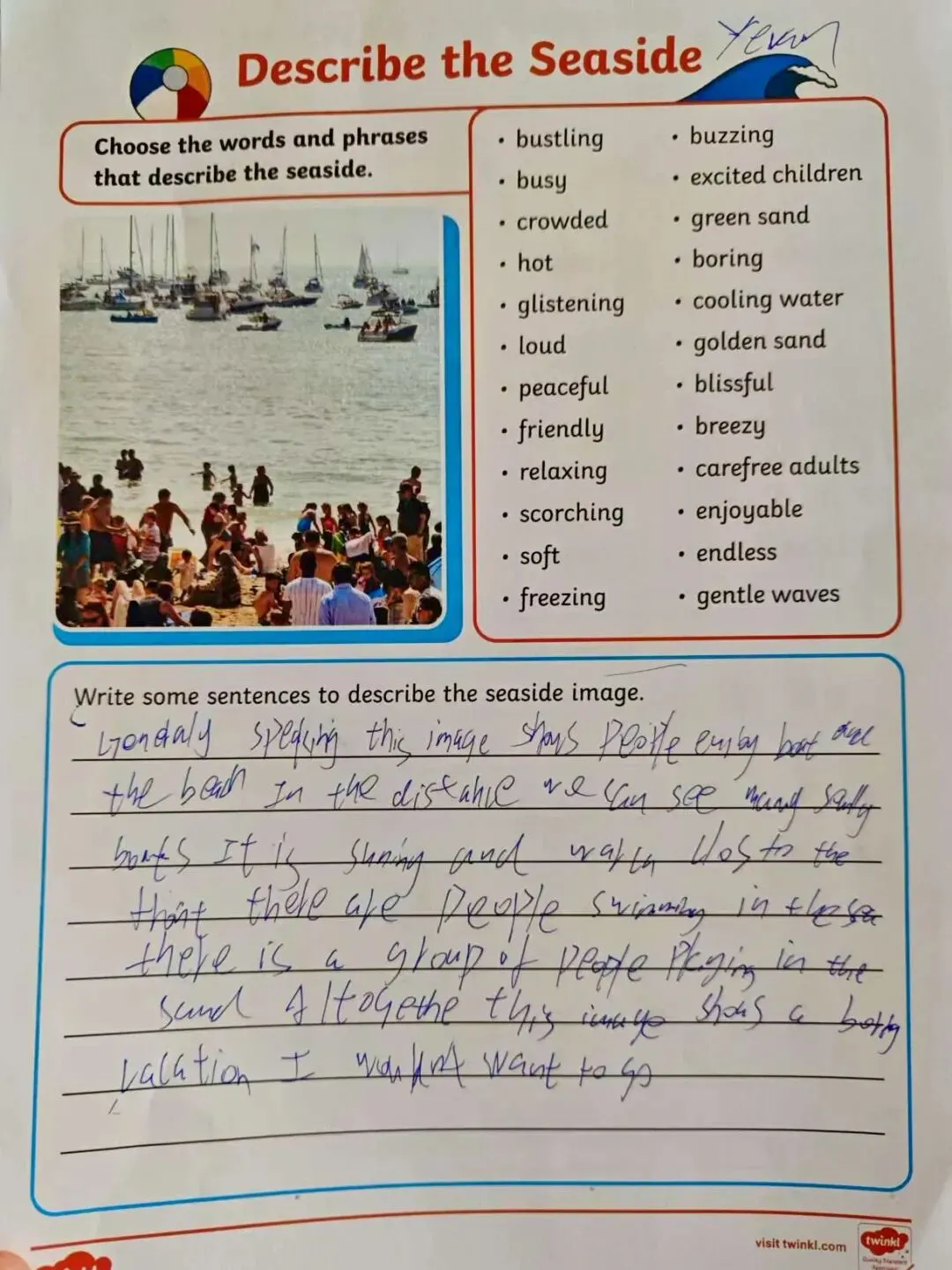
Once vocabulary and grammar foundations are secure, students move on to sentence expansion and writing development. A basic sentence such as “The boy walks” may evolve into “The smart and handsome boy walks quickly in the morning”, and later into: “At the beginning of the day, the smart and handsome boy, who is my neighbour, walks clumsily because he is sleepy.” Through this structured progression, students not only learn grammatical rules, but also begin to appreciate the internal logic and expressive power of the English language.
Alongside this, students engage in guided reading of original English literature. This term, Dr Suzanne’s classes are reading Robinson Crusoe. Students listen to the text, read along, consolidate vocabulary, and retell passages in their own words—an integrated process that brings together listening, reading, speaking and comprehension. “We have two novel-reading lessons each week,” Dr Suzanne explains. “It has made a significant difference, and we’ve already completed over a third of the book.”
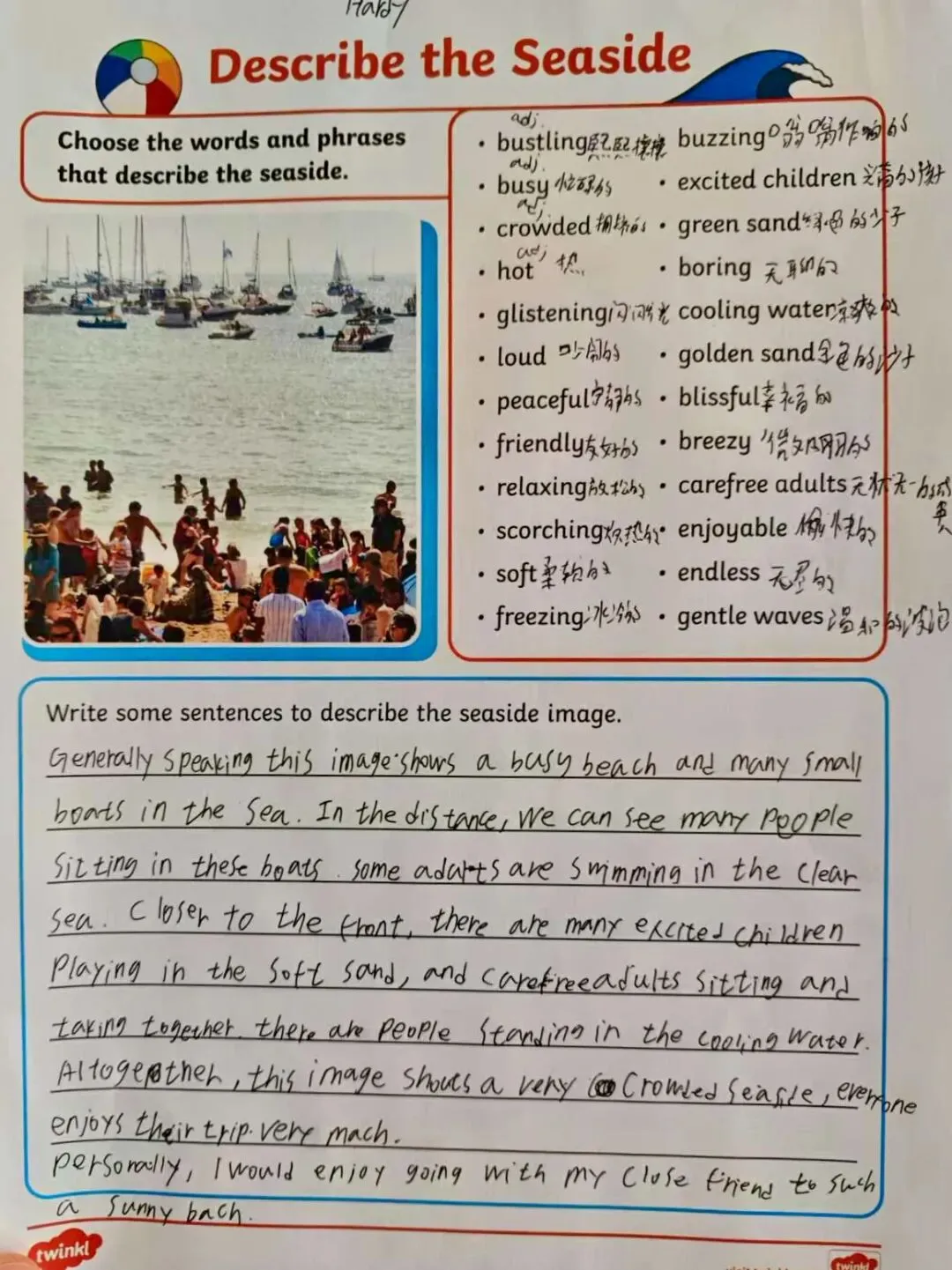
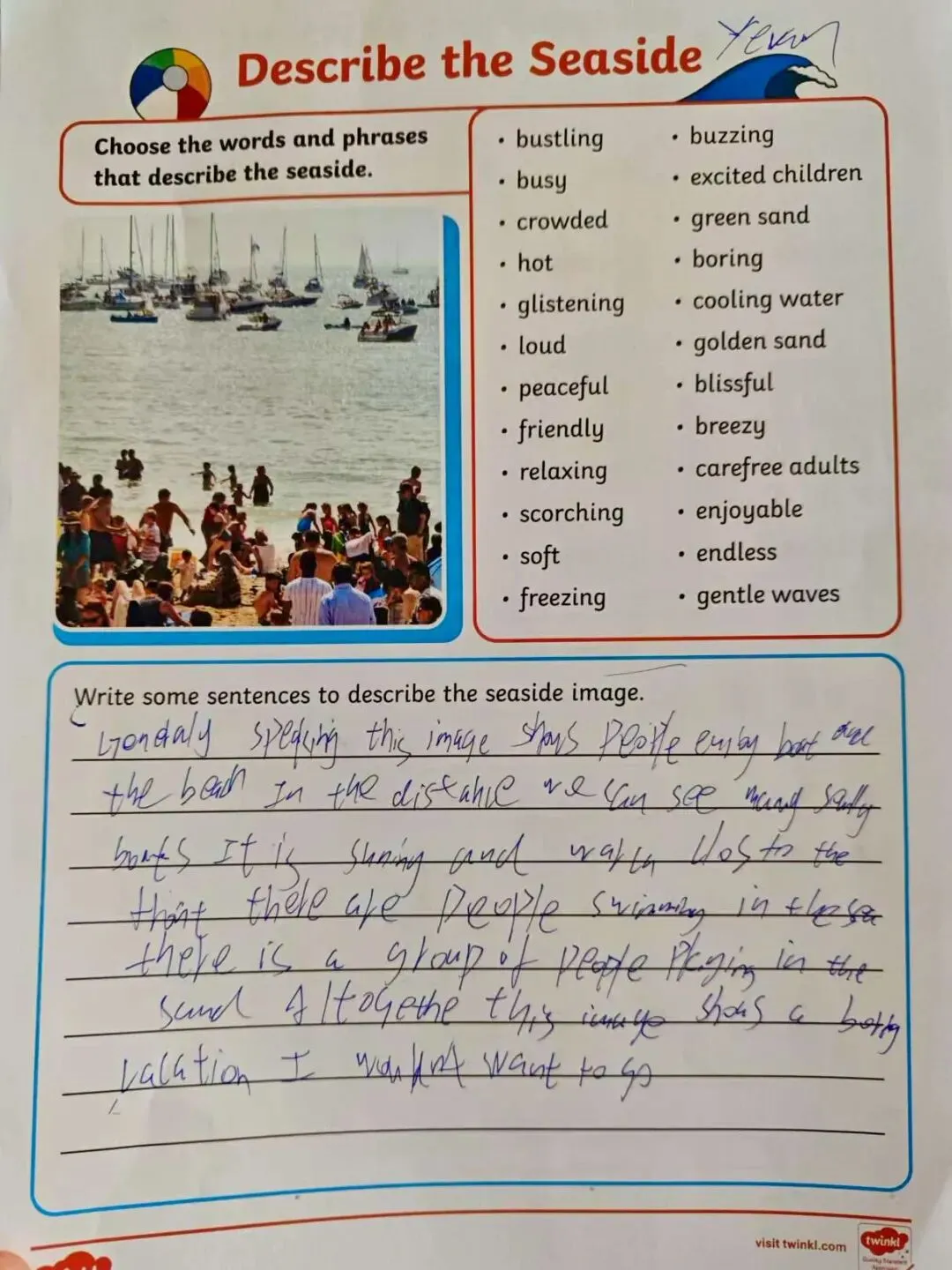
◎ Swipe left for more writing excercises
With such a clearly sequenced and intensive approach, students typically progress from A1 to A2 within approximately three and a half months.“The goal of the Language Acquisition Programme,” Dr Suzanne smiles, “is for students to leave it as soon as they are ready.” Once students meet the English level required for their year group, they ‘graduate’ from the programme and return fully to the mainstream curriculum.
Sign up for Open Day on Jan. 31st

REBUILDING CONFIDENCE THROUGH ACADEMIC CARE
For Upper School transfer students, English reinforcement is not merely about filling knowledge gaps; it is also about rebuilding confidence. Some students, after repeated setbacks, develop what psychologists term learned helplessness—a belief that they are simply “not good at languages”. At WASNJ, restoring confidence is treated as being just as important as teaching content.
Teachers carefully track recurring individual errors—whether confusing “a” and “e”, or forgetting the third-person singular “s”. Rather than simply marking work as incorrect, teachers provide precise, constructive feedback: “You used he instead of him here—remember to use the object pronoun. Fix that, and this sentence works perfectly.” This approach helps students understand that mistakes are fixable, not evidence of inability. Gradually, confidence grows.
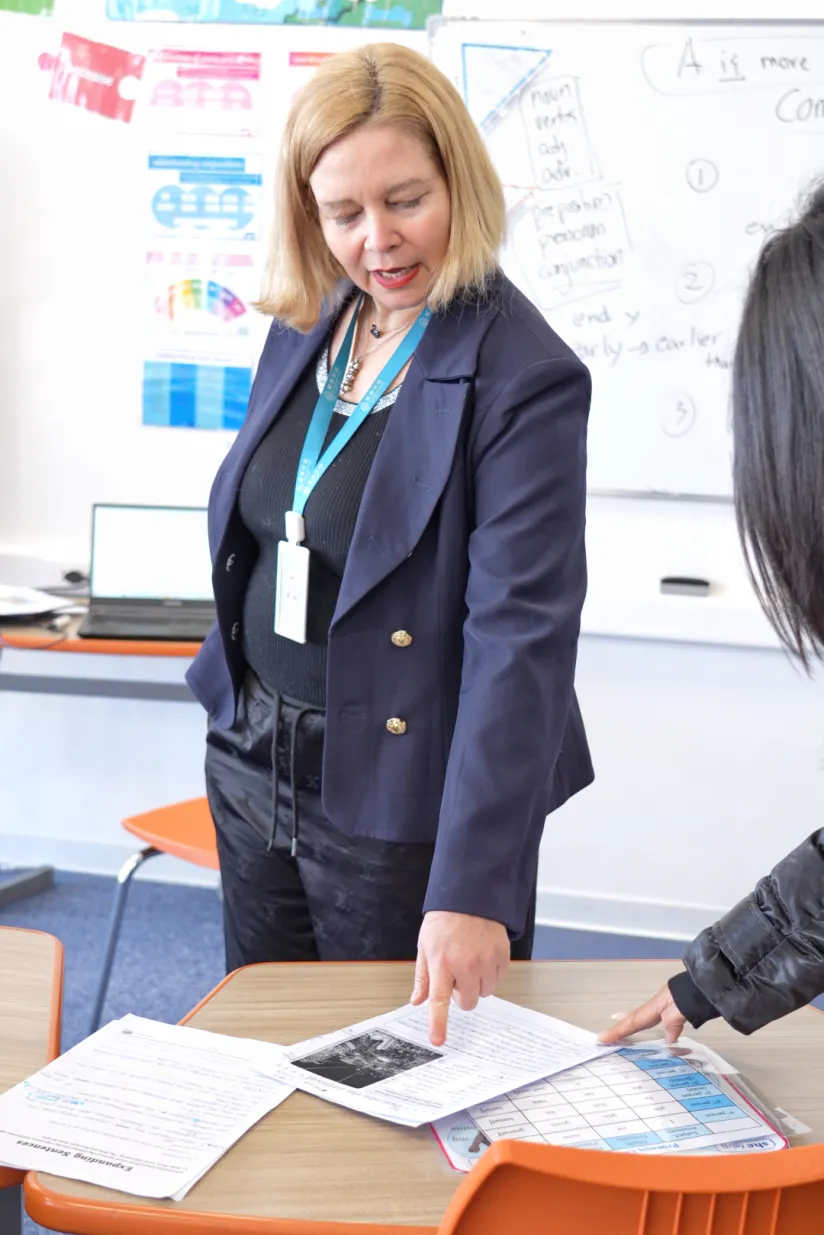
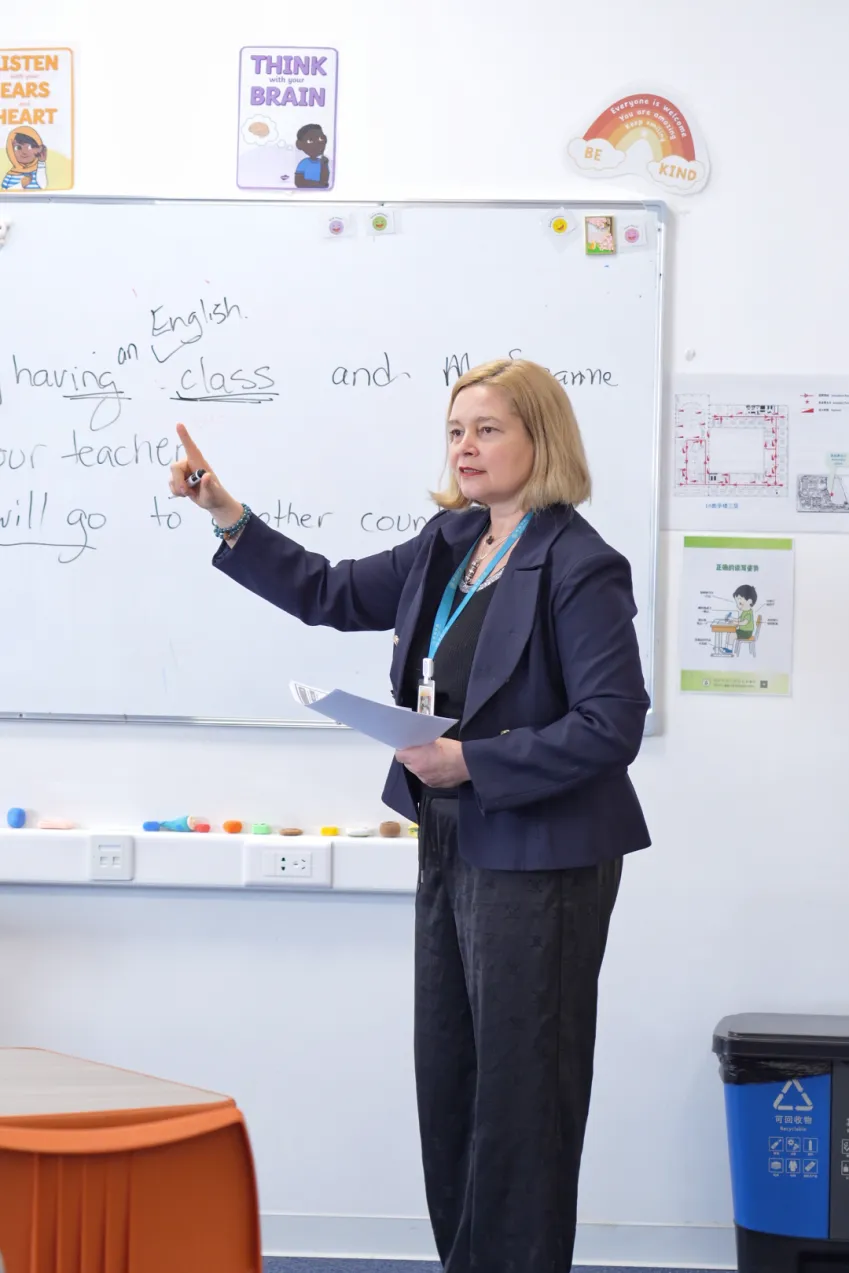
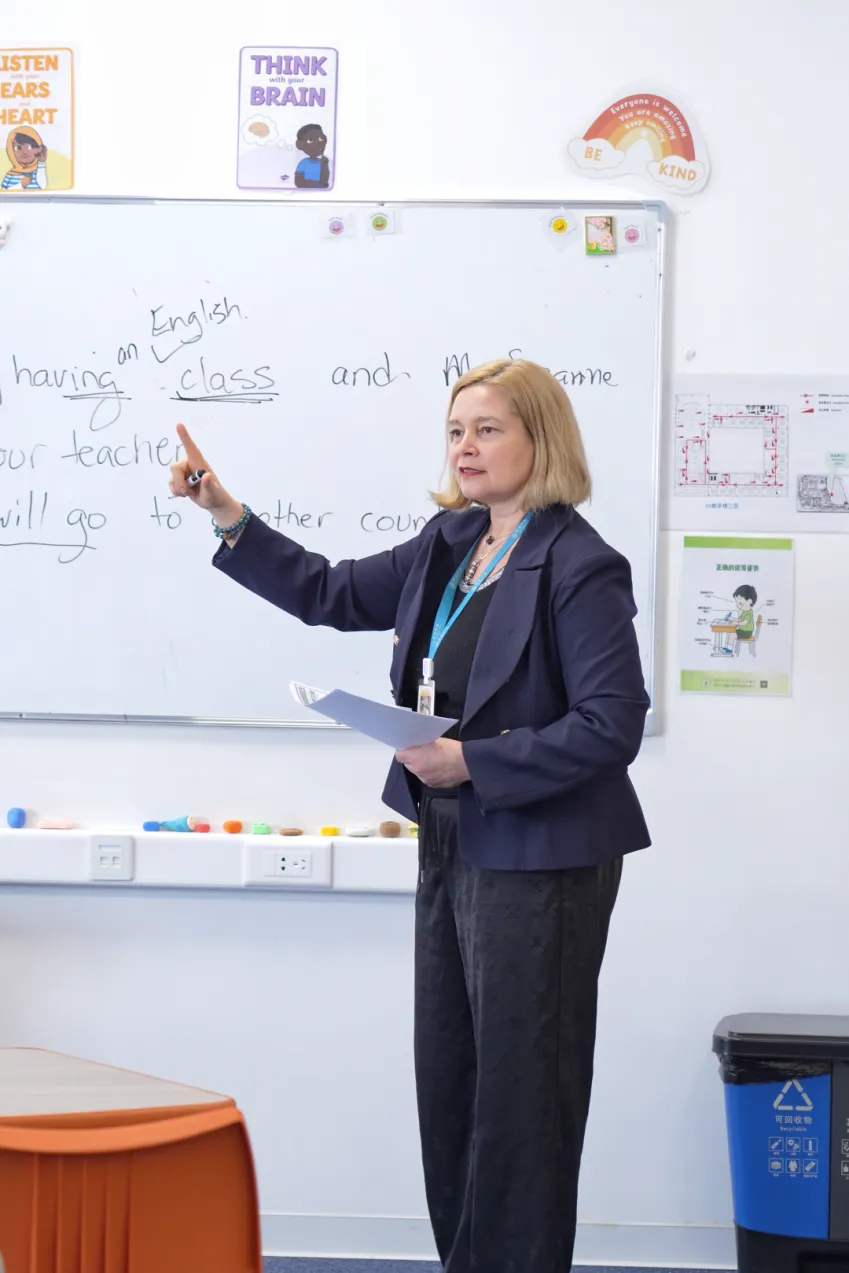
◎ Dr. Suzanne in English class
As a lifelong language learner fluent in four languages, Dr Suzanne deeply empathises with her students. “I will never forget how difficult my first six months learning Chinese were,” she says. “But language is a skill—like cycling or swimming. Once you break through that initial barrier, it stays with you for life.”
She often shares her own experiences to help students move past frustration and self-doubt. Many students initially join the Language Acquisition Programme feeling discouraged, even resistant to coursework and homework. Dr Suzanne addresses this directly: “I tell them: I will invest all my time and effort—but your success depends on how much effort you invest in yourself. The time you spend on homework is not for me; it’s for your future.” Over time, students become more engaged, even competitive—in the best sense. Learning English gradually becomes something to take pride in.
Beyond improved language proficiency or smoother transitions into international curricula, perhaps the most meaningful outcome of the Language Acquisition programme is this: students learn to take responsibility for their own learning—and, ultimately, for their lives.