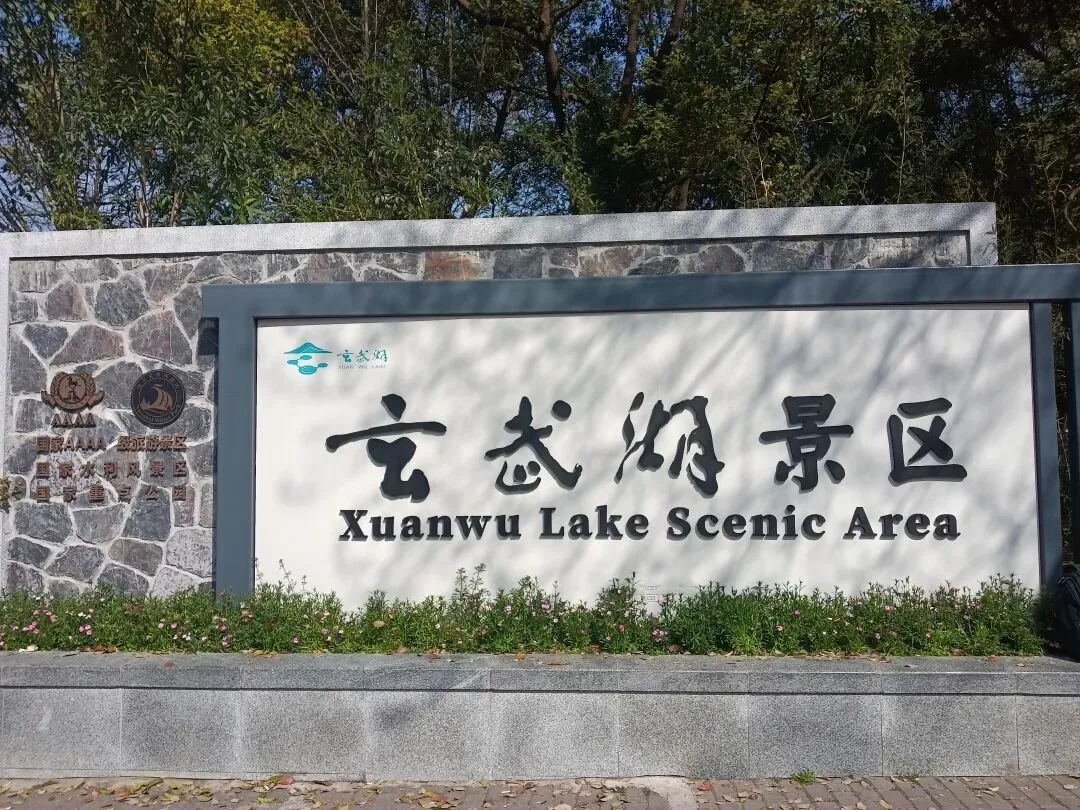
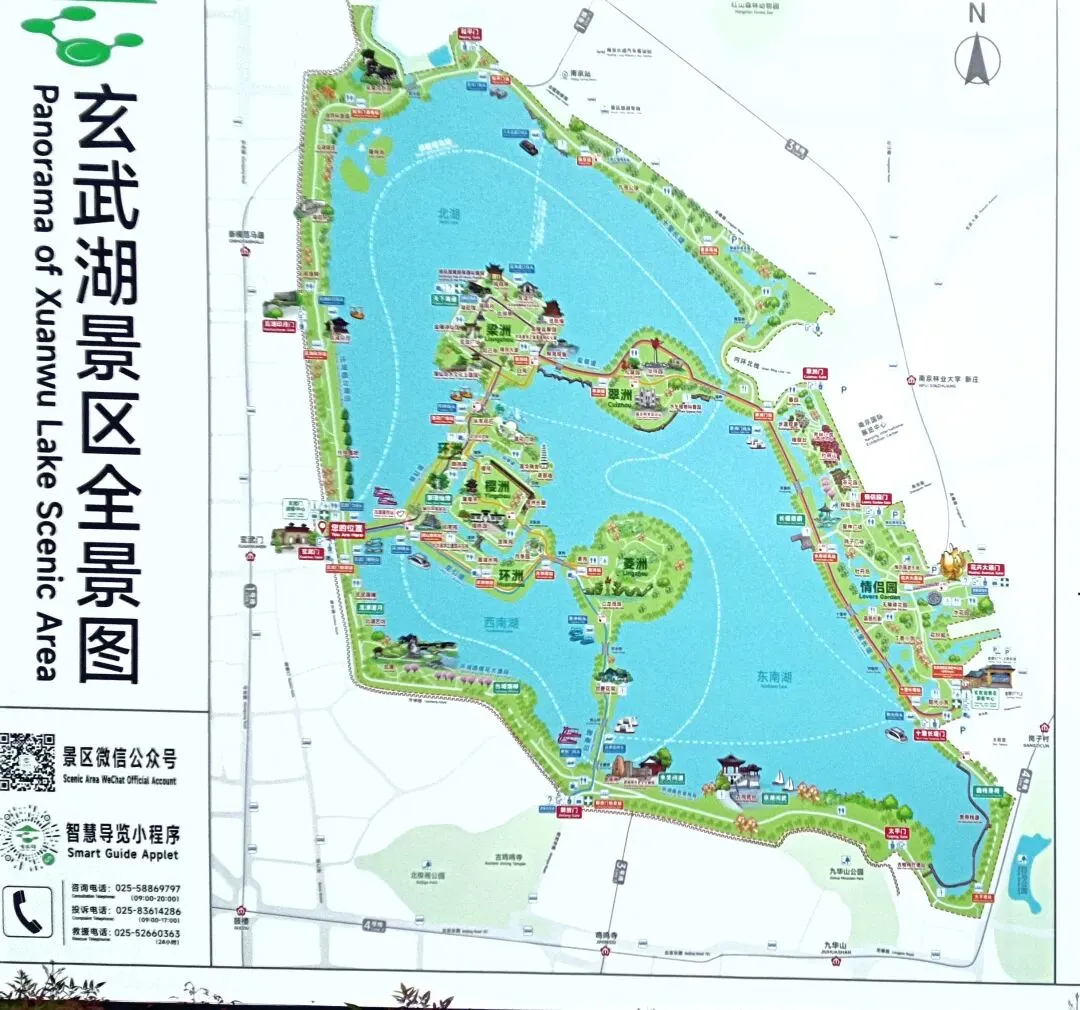
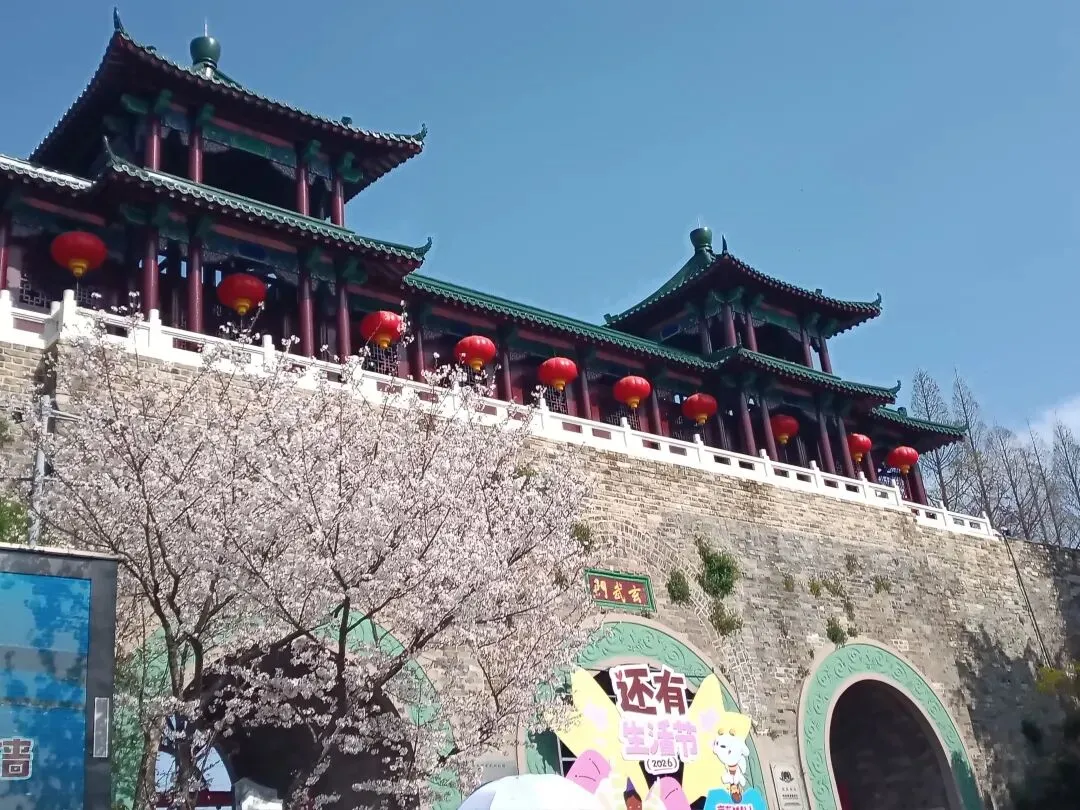
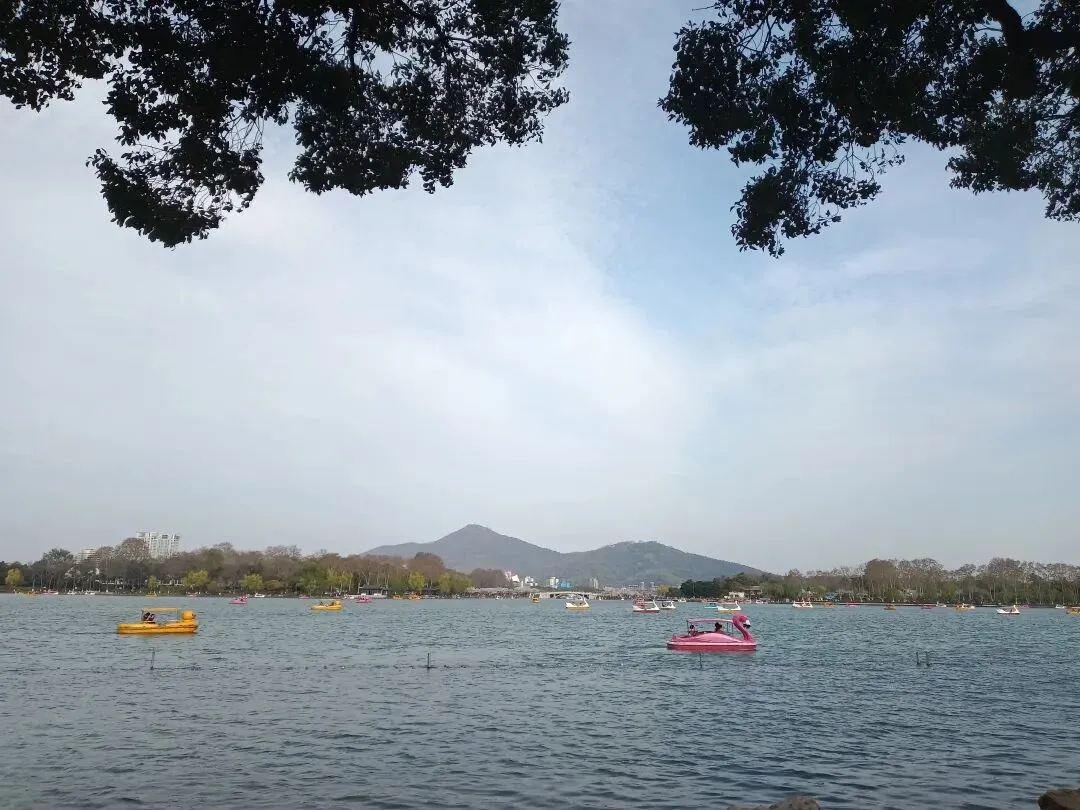
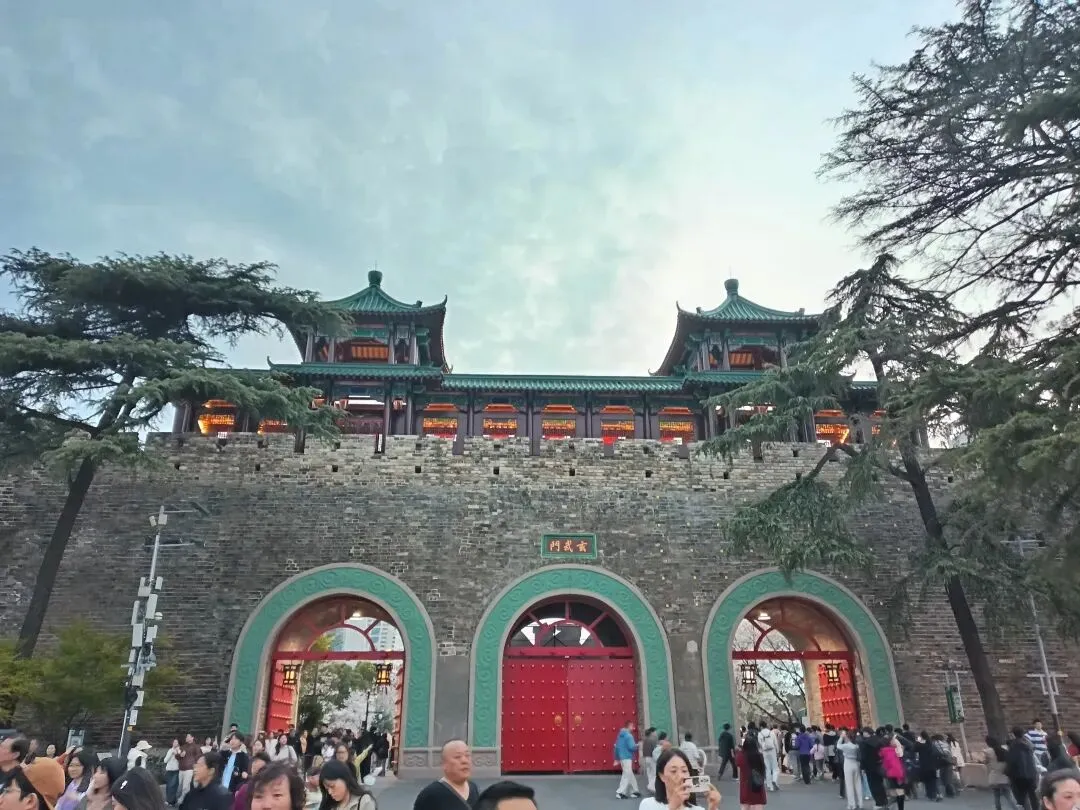
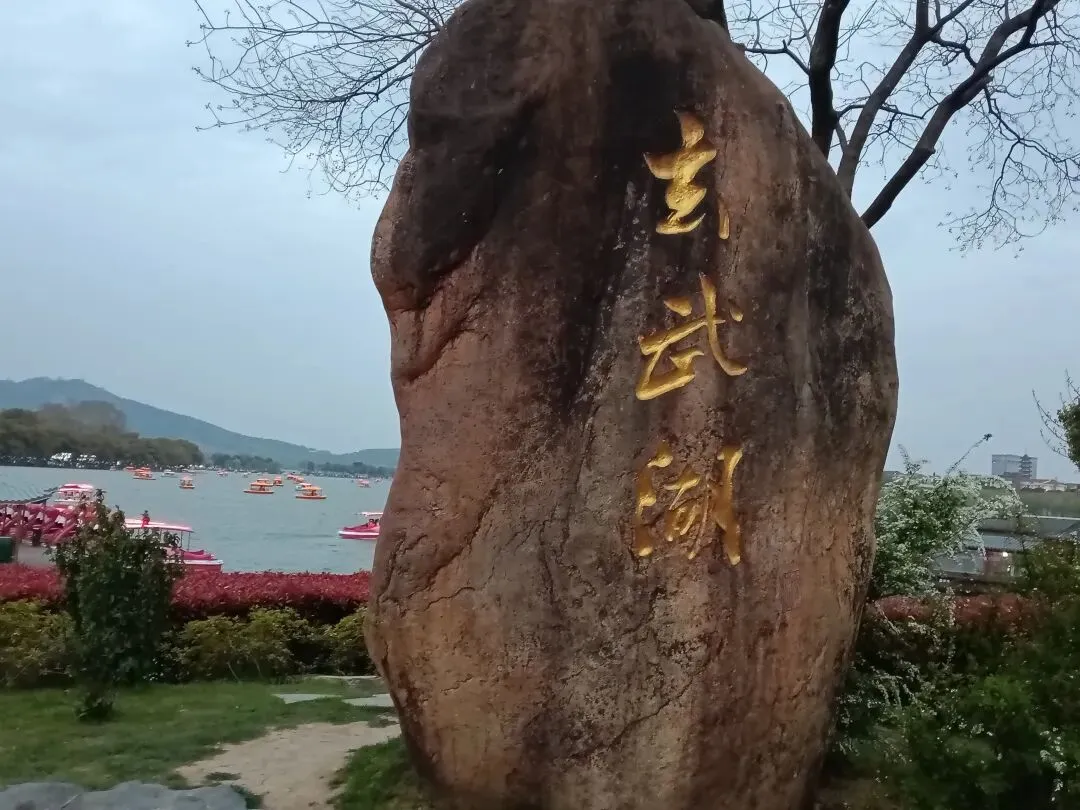
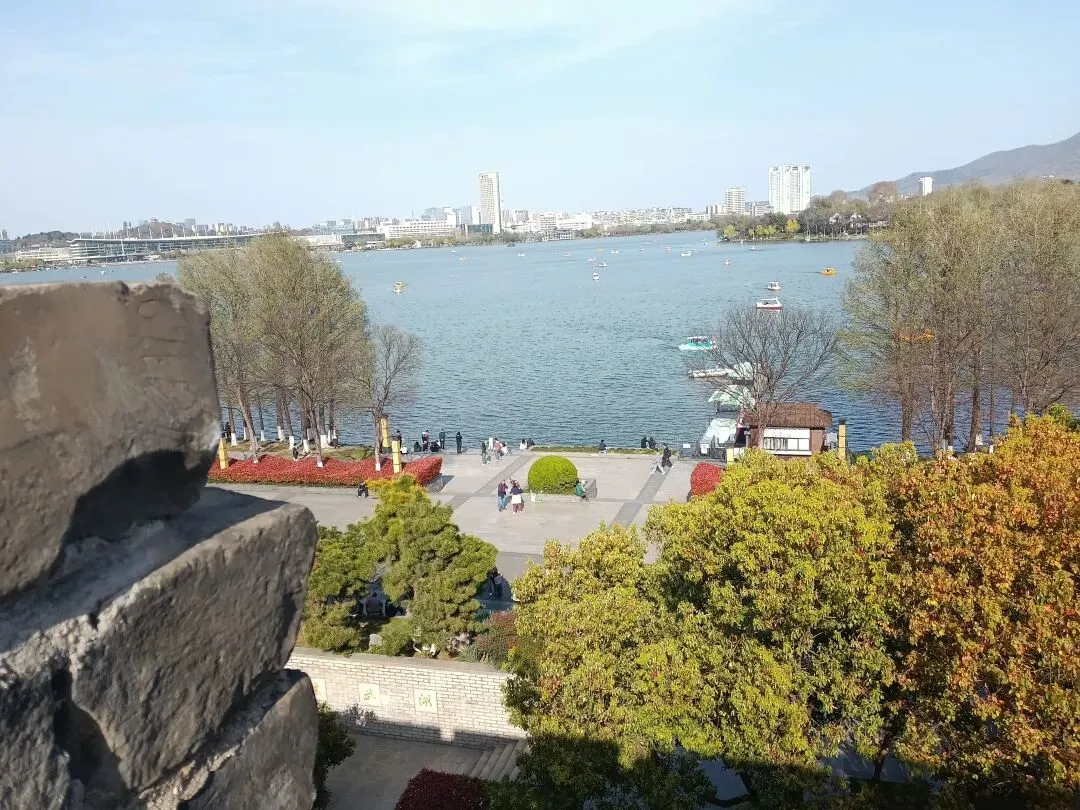
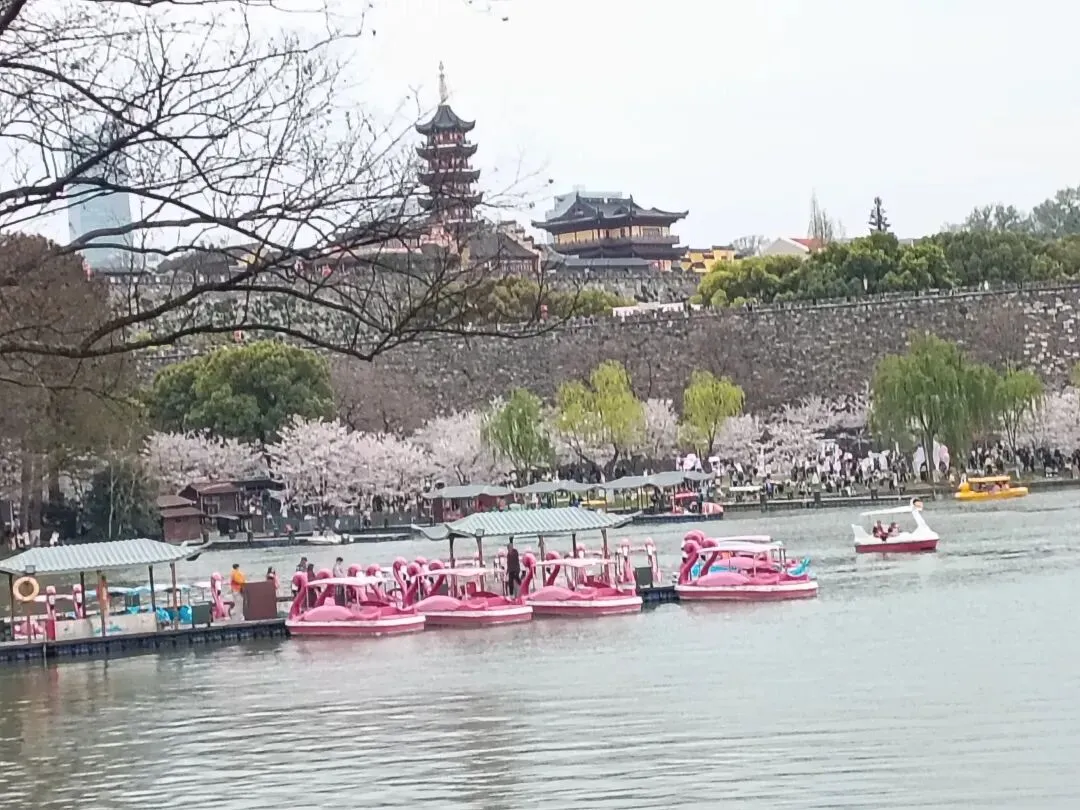
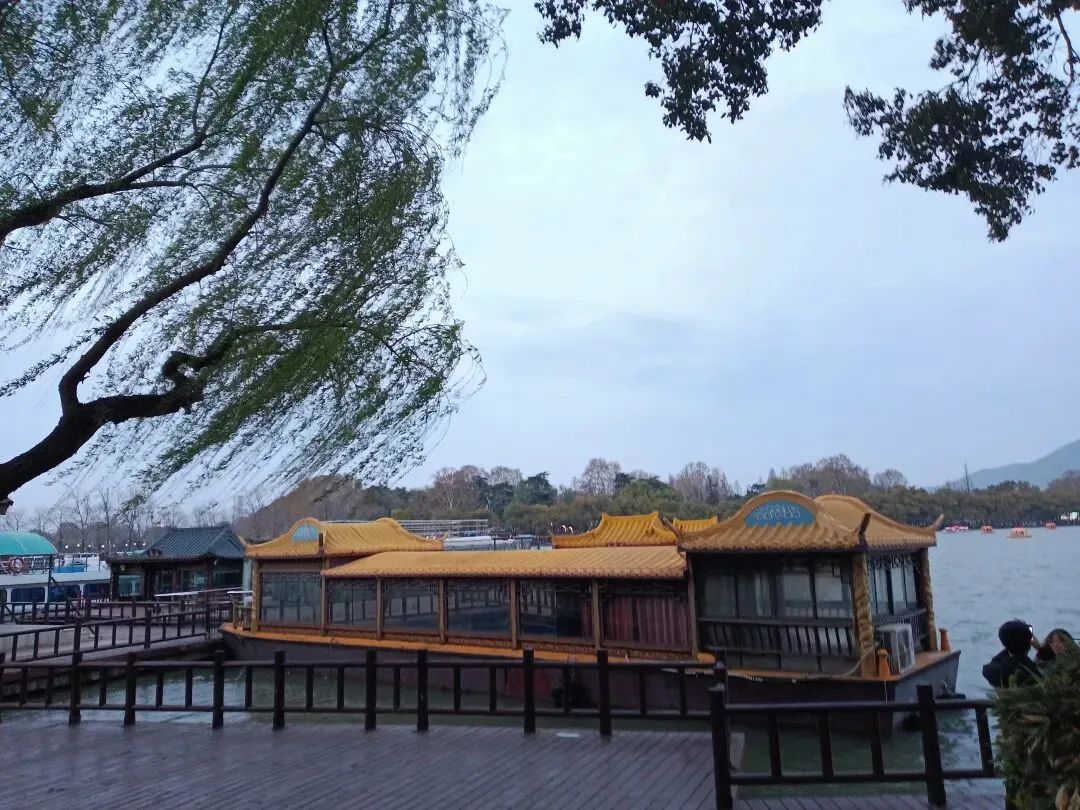
In spring, flowers bloom, cherry blossoms, which are the most beautiful spring ones, attracting numerous people to Xuanwu Lake, which is a National AAAA Tourist Attraction, National Water Conservancy Scenic Area, and National Key Park. Archaeological evidence confirms that Xuanwu Lake is a remnant of the ancient Yangtze River channel. Since the pre-Qin period, Xuanwu Lake has been known by nearly 20 names, including "Sangpo", Houhu Lake, North Lake, Taiye Pool and Kunming Pool. The name Xuanwu Lake originated in the 23rd year during Emperor Yuanjia's period of Song Dynasty in the year of 446.Xuanwu Lake is located in the main urban district of Nanjing, close to Zijin Mountain in the east, adjacent to Ming Dynasty City Wall in the west, near Jilong Mountain in the south, contiguous to Nanjing Railway Station in the North. It was the royal garden lake during the Six Dynasties, and was the National Archive(国家档案馆) of Ming Dynasty where registered books were stored, reputed as Jinling Pearl. Xuanwu Lake covers a total area of over 5 square kilometers, with a lake area of 3.78 square kilometers and a land area of 1.35 square kilometers, composed of five islets, one park and one road. The five islets include Huanzhou, Yingzhou, Liangzhou, Lingzhou and Cuizhou, presenting beautiful scenery everywhere in each season, including Huanzhou Willows, Yingzhou Flower Sea, Liangzhou Autumn Chrysanthemums and Lingzhou g trees. It integrates mountains, waters, cities and forests, with many places of interest, featured by eight views, such as Parade Review at Royal Lake, Water Gate Inquiring About Routes, Taicheng Willows, Fragrant Lotus at Curved Plank Road, Rosy Clouds at Long Causeway, Admiring the Moon in Dragon Pool, Guo Pu's Mound, and Tianxia Huangce, etc.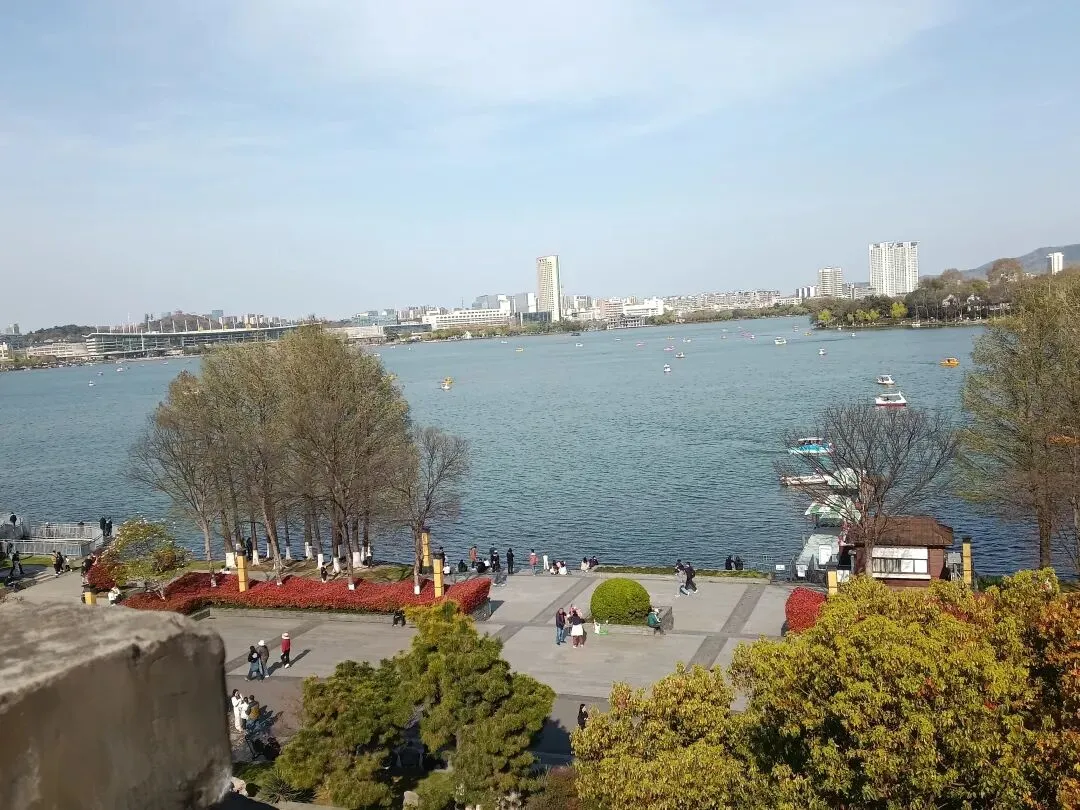
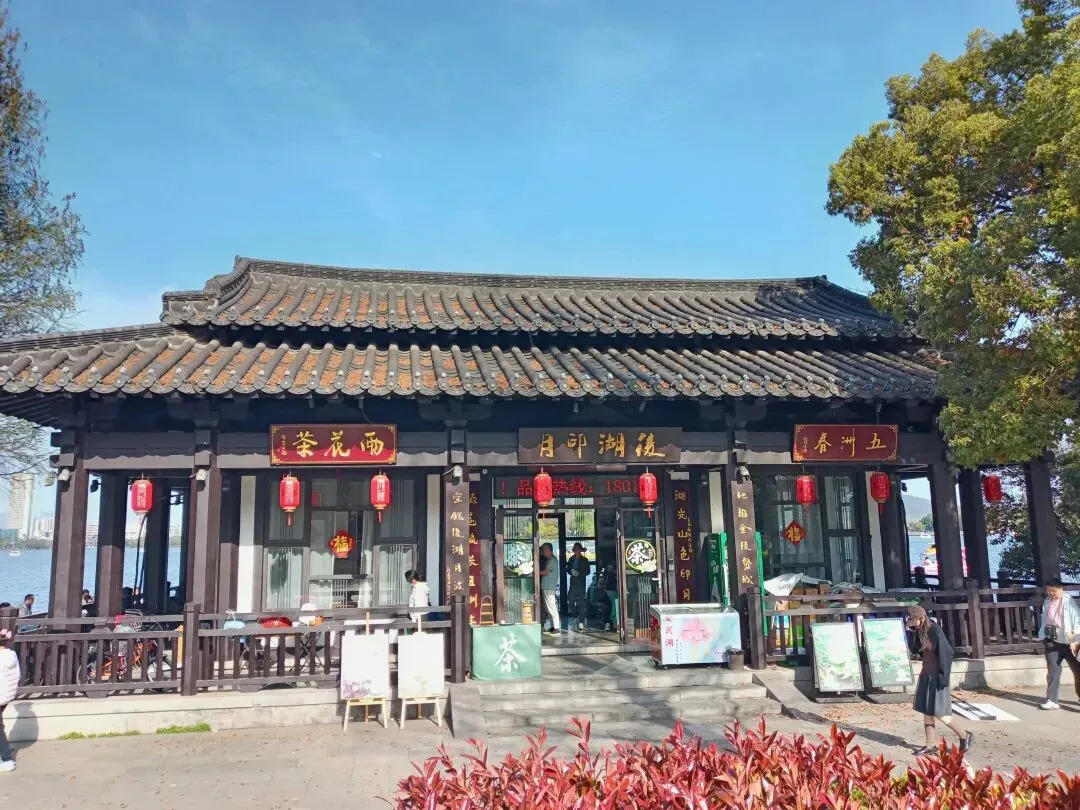
The history of Xuanwu Lake can be traced back to the Pre-Qin period, when it was called Sangbo. In Southern Dynasty, Liu Yilong, Emperor Wen, carried out large-scale dredging of Xuanwu Lake and trained water troops here, making it an important military base. Since then, Xuanwu Lake has witnessed the rise and fall of the Southern Dynasty, becoming a witness to the prosperity and vicissitudes of that era. In Ming Dynasty, after Zhu Yuanzhang established his capital in Nanjing, he used Xuanwu Lake as the Yellow Register Repository(黄册库) to store the national household registration and tax records. It had further enhanced the significance of Xuanwu Lake in the political and economic fields, and at the same time added a touch of mystery to it.
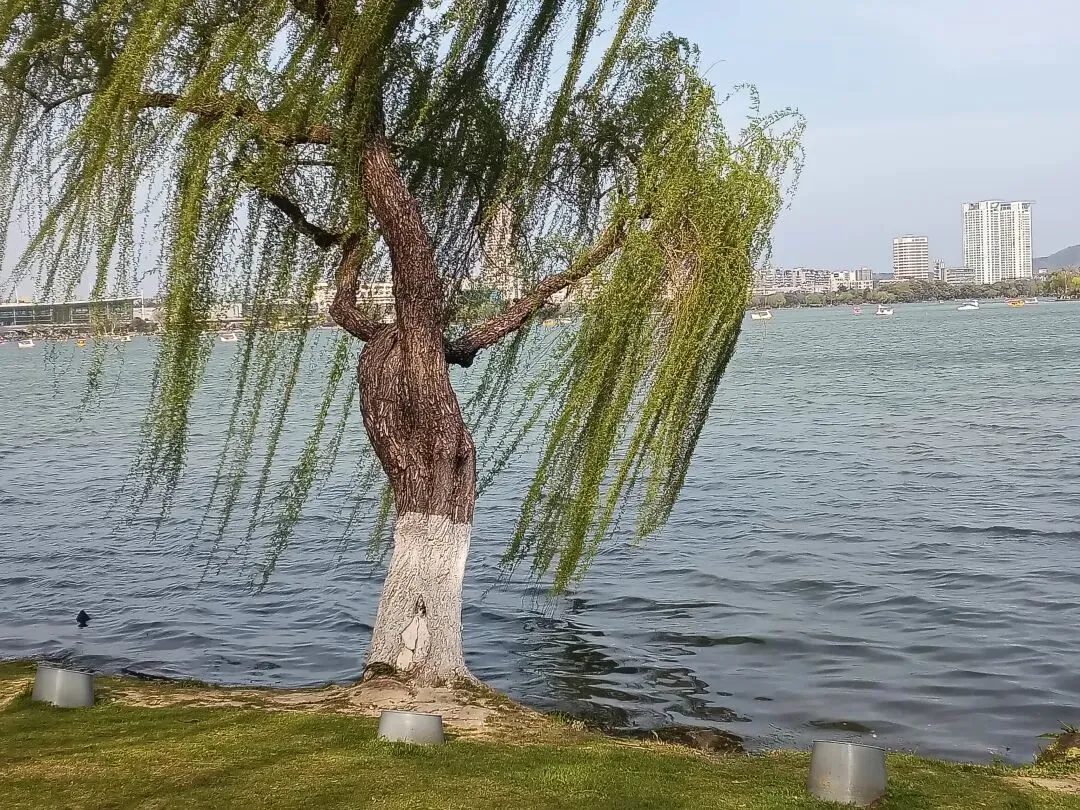
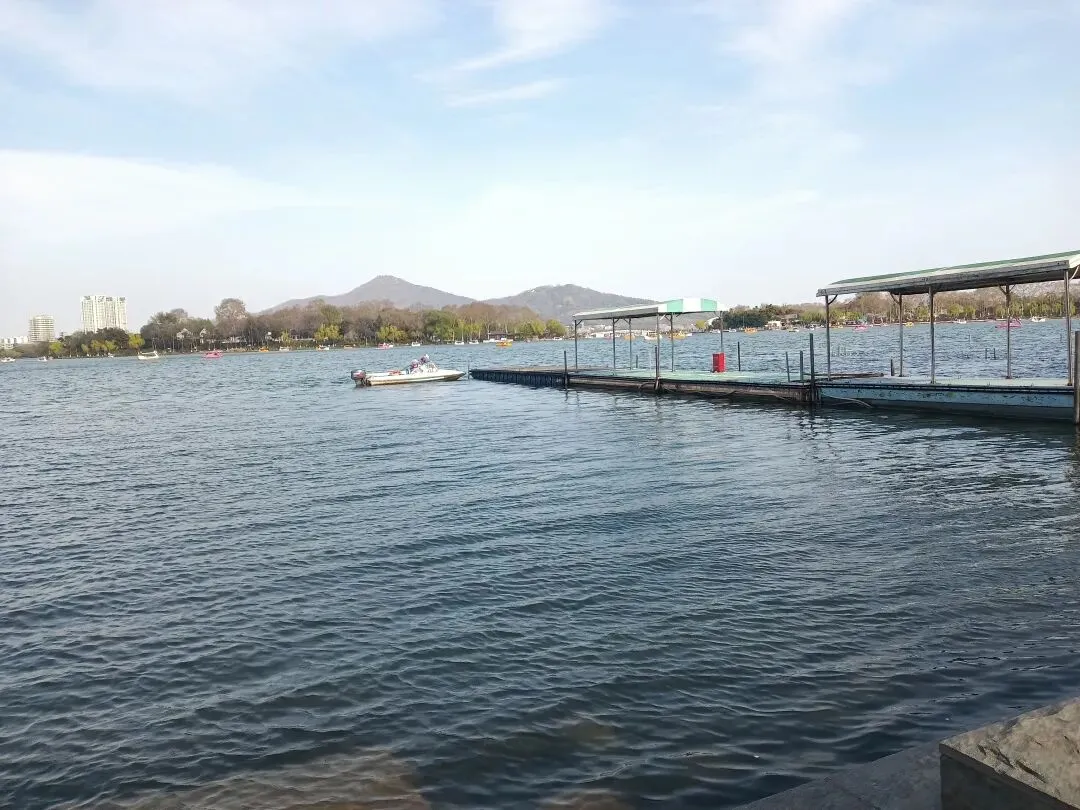
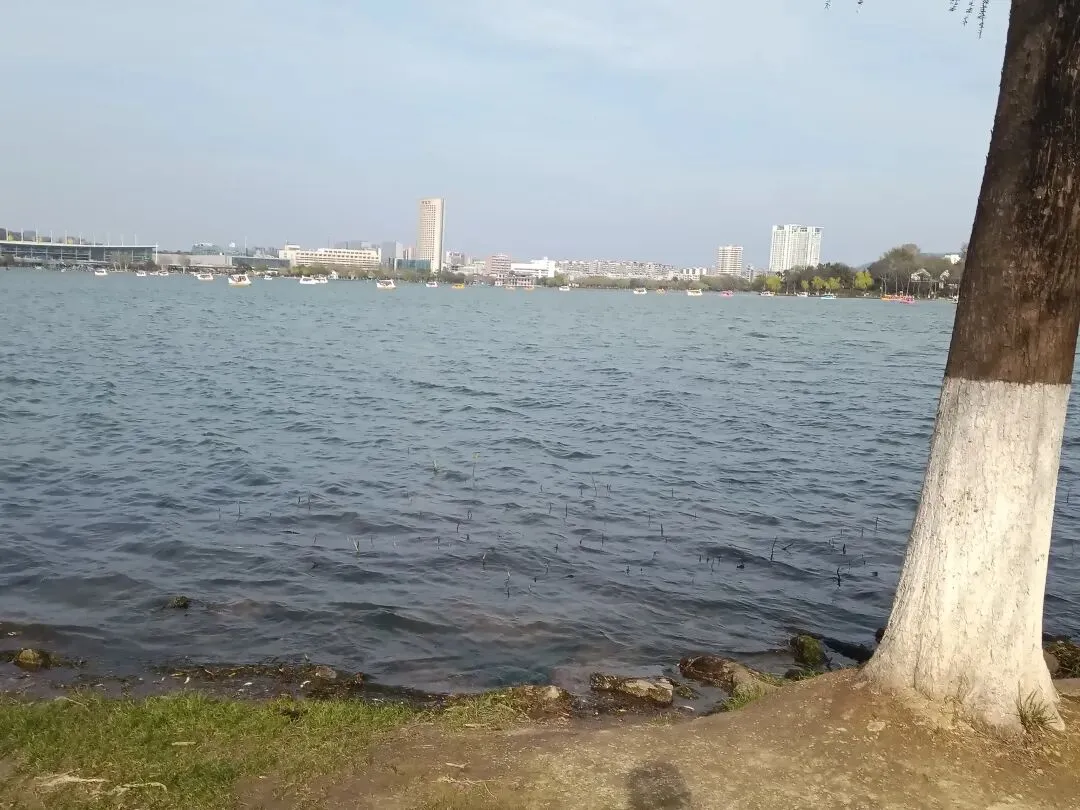 Five islands are like five emeralds inlaid in the lake, each with its own characteristics. Huanzhou Island is like a green jade belt, encircling the lake water. The willows on the island sway gently in the wind, as if fairies were dancing gracefully. Yingzhou Island is a popular spot for cherry blossom viewing. Every spring, when the cherry blossoms are in full bloom, they look like clouds and rosy clouds, attracting a large number of tourists to come and admire and take photos. Liangzhou Island is the earliest and most bustling of the five islands. There are many ancient buildings and garden landscapes on the continent, such as Liansheng Tower and Friendship Hall, which are filled with a strong historical and cultural atmosphere. And Cuizhou Island is renowned for its lush green vegetation and serene environment.
 Apart from the five islands, the mountains around Xuanwu Lake also add a unique charm to the lake. Zijin Mountain stands majestically on the east side of the lake, with undulating mountains and lush trees, complementing Xuanwu Lake and forming a beautiful landscape painting. Standing by the lake and gazing at Zijin Mountain in the distance, the mountains and water complement each other perfectly, making one feel the magic and beauty of nature.
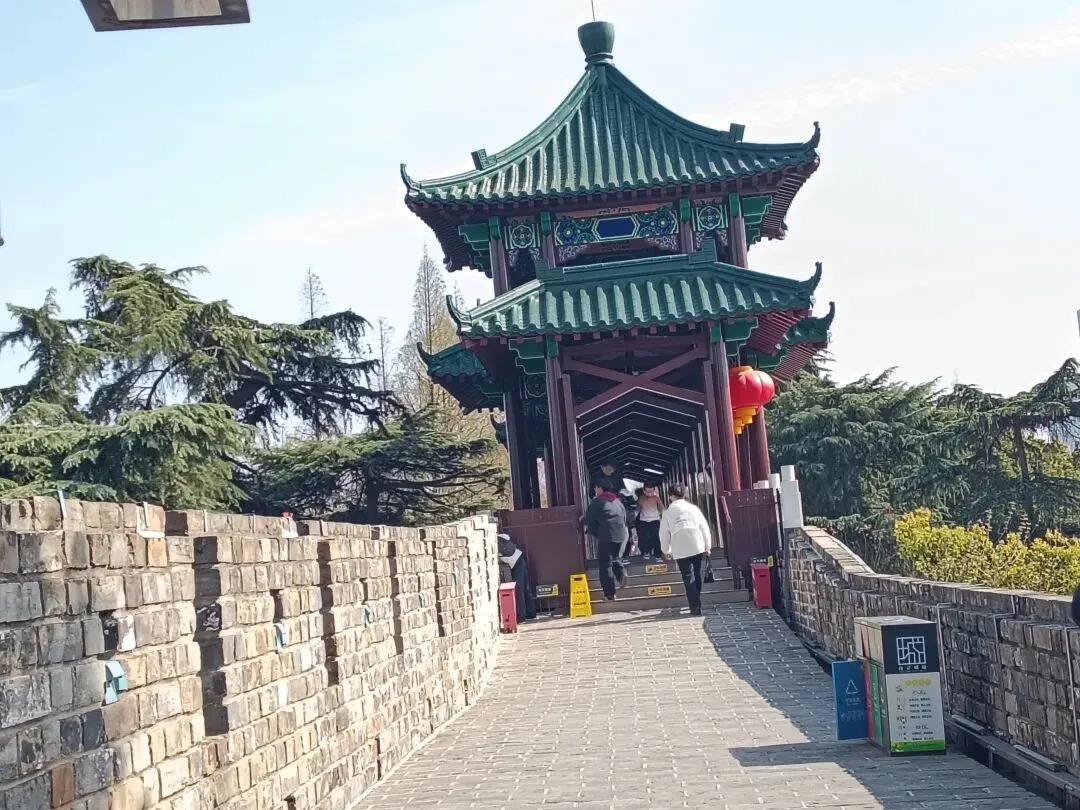
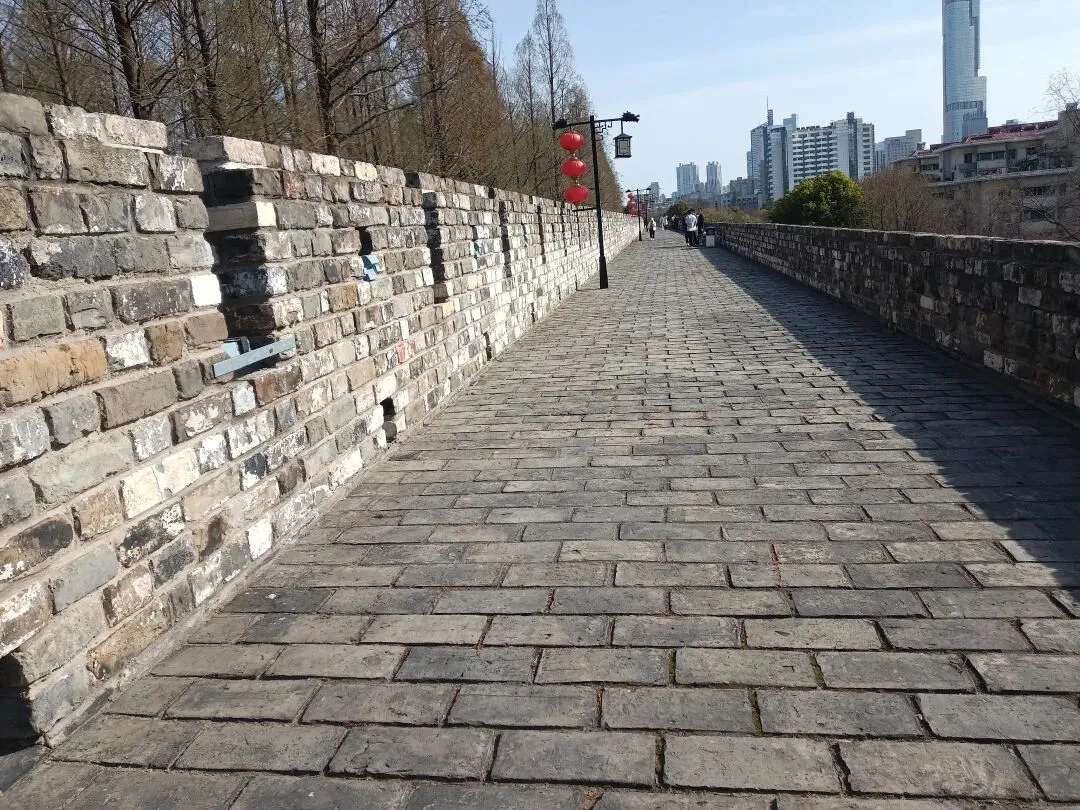
Xuanwu Lake not only boasts beautiful natural scenery but also is rich in cultural connotations. There are many historical relics and cultural attractions here, which bear witness to the cultural inheritance and development of Nanjing City. Taicheng is an important historical site by Xuanwu Lake. It is the remains of the city wall from the Six Dynasties period. Strolling along Taicheng and touching the ancient city wall bricks, one seems to be able to feel the prosperity and splendor of Jinling City in the past. Looking down at Xuanwu Lake from Taicheng, the beautiful scenery of the lake and mountains comes into full view, making one can't help but marvel at the wonders of nature and the wisdom of mankind.
There are also many museums and cultural venues around Xuanwu Lake, such as Nanjing City Wall Museum and the Oriental Metropolitan Museum. These venues present the historical culture and urban development of Nanjing to tourists through a rich array of exhibits and vivid display methods, allowing people to have a deeper understanding of the city's past, present and future, making Xuanwu Lake an important place for Nanjing citizens to relax and have fun. Xuanwu Lake has also hosted a wide variety of cultural and festival activities, such as the Cherry Blossom Festival, the Lotus Festival, and the musical fountain show, which have attracted a large number of tourists to participate. These activities not only enrich the cultural life of the citizens, but also add a lively and festive atmosphere to Xuanwu Lake. Seeing is believing and visiting is a great way to learn and explore.