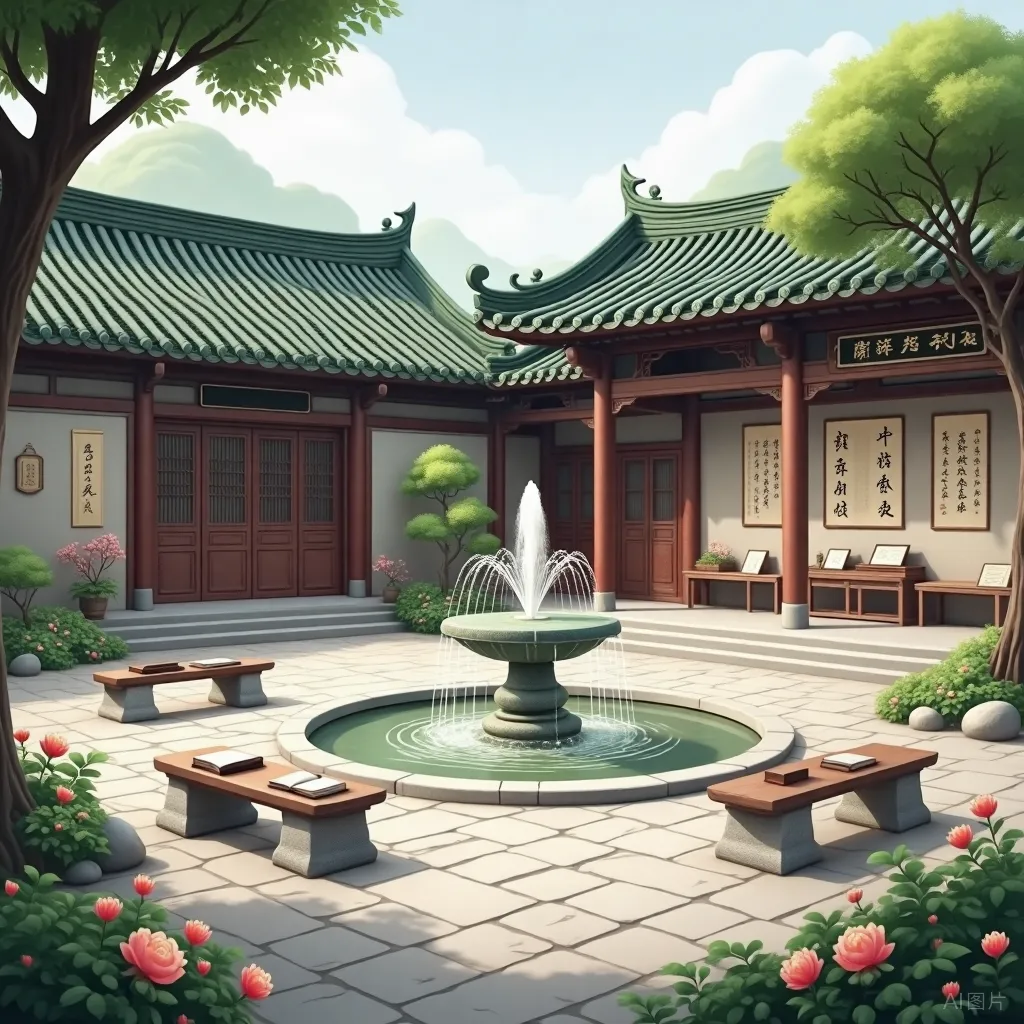
提起苏州的狮子林,世人皆知它是叠石成趣的江南名园,却少有人知晓,这座世界文化遗产,正是苏州贝氏家族百年传承的缩影。从明朝嘉靖年间贝兰堂挑着药筐在苏州南濠街立足,到如今传承十七代、跨越五百余年,贝氏家族打破了“富不过三代”的魔咒,成为中国家族传承的传奇。而这一切的根源,从不是金钱的堆砌,而是刻在骨血里的精神内核:勤俭守德、崇文重教、大公无私,还有那一份代代相传、从未放弃的坚守。
狮子林与贝氏的缘分,始于1917年。彼时这座名园早已年久失修、荒草断垣,贝氏十三世孙、有“颜料大王”之称的贝润生斥9900银元将其买下,又耗费九年时间重修扩建,增建燕誉堂、九狮峰,补葺碑刻长廊,让这座园林重焕生机。但他从未将狮子林据为己有,反而将其设为家族公产,在园侧建承训义庄、修族校、立祠堂,让园林成为族人共居、后辈求学的场所。他用行动践行着贝氏家训里最核心的一句话:“以产遗子孙,不如以德遗子孙;以独有之产,不如以公有之产。”这份“天下为公”的胸襟,让一座私家园林,成了家族精神的具象载体。后来贝氏家族更将修复后的狮子林无偿捐给国家,让这份美与传承,成为属于所有人的江南记忆。
贝氏的五百年兴盛,从来不是偶然。从始祖贝兰堂行医卖药“不欺贫、不抬价”,穷苦百姓可赊账、可免费领药,用医者仁心攒下最初的口碑;到贝理泰创办银行“一块银元也开户”,将诚信当作经商的根本;再到贝祖贻执掌央行,远走海外时分文公款不取,坚守做人的底线,“德”与“信”,始终是贝氏刻在骨子里的底色。他们从不让子孙坐享其成,更定下铁律:凡家族子弟,必勤学实干,18岁前零花钱与普通工薪阶层无异,留学必选实用学科,毕业后需为家国效力,若闲散度日、不思进取,便会失去家族资产的继承权。这份“不躺平、不懈怠”的勤勉,让贝氏的每一代人,都懂得靠自己的双手立足,而非依附家族的光环。
而教育,是贝氏传承最坚实的基石。从清代设义庄资助族人求学,考中功名者重奖,到近代将留学定为家族传统,贝聿铭远赴美国攻读建筑,其子女皆考入哈佛等名校,贝氏始终坚信,知识才是最长久的财富。他们不追求子孙坐拥金山,只求每一代人都有安身立命的本领、明辨是非的眼界。也正因如此,贝氏家族才能在时代浪潮中屡次顺利转型:从最初的医药业,到近代的颜料、金融,再到现代的建筑、学术,每一次跨越,都靠后辈的学识与能力支撑,从未被时代抛下。
如今再看贝氏家族,他们坐拥财富却从不炫富,身居望族却始终低调,子孙遍布各行各业,却都守着勤俭、诚信、向善的初心。这让我忽然明白,真正的家族传承,从来不是金钱与房产的交接,而是精神与品格的延续。金钱终会随时代更迭而起伏,唯有刻在骨子里的德行、融进血液的勤勉、藏在心底的善良与担当,才能穿越百年时光,支撑一个家族走得远、走得稳。
贝氏的五百年,给了所有普通人一个答案:一个家族的长久兴盛,靠的从不是一时的富贵,而是每一代人都坚守初心、传承精神,靠自己的双手创造价值,用温暖的心意对待他人。就像贝氏守护狮子林那般,守护好心中的那份德、那份勤、那份公心,便是最好的传承。
When people talk about Lion Grove Garden in Suzhou, everyone knows it as a renowned Jiangnan garden famed for its intricate rock formations. Yet few are aware that this UNESCO World Heritage site is a microcosm of the centuries-old legacy of the Suzhou Bei Clan. Tracing back to the Jiajing period of the Ming Dynasty, when their ancestor Bei Lantang first set foot in Nanhao Street, Suzhou with a medicine basket, the clan has now passed down through 17 generations and lasted for over 500 years. Breaking the age-old curse that "wealth never survives three generations", they have become a legend of family inheritance in China. And the root of all this lies never in the accumulation of money, but in the spiritual core etched into their blood: diligence and virtue, reverence for education, selflessness, and the perseverance passed down from generation to generation.
The bond between Lion Grove Garden and the Bei Clan began in 1917. Back then, the once-famous garden had long fallen into disrepair, with overgrown weeds and crumbling walls everywhere. Bei Runsheng, the 13th-generation descendant of the clan known as the "King of Pigments", purchased the garden for 9,900 silver dollars and spent the next nine years renovating and expanding it. He added the Yanyu Hall and the Nine Lion Peak, restored the stone tablet corridor, and brought the garden back to its former glory. But he never claimed Lion Grove Garden as his private property; instead, he designated it as a public asset of the clan. He built the Chenxun Charitable Estate, a clan school, and an ancestral hall beside the garden, turning it into a place where clan members lived together and younger generations pursued their studies. With his actions, he practiced the core principle of the Bei Clan’s family motto: "It is better to pass down virtue than wealth to descendants; it is better to leave public property than private property." This spirit of "the world belongs to all" turned a private garden into a tangible carrier of the clan’s spirit. Later, the Bei Clan donated the restored Lion Grove Garden to the state without compensation, allowing this beauty and heritage to become a shared memory of Jiangnan for everyone.
The 500-year prosperity of the Bei Clan is by no means accidental. Starting with their ancestor Bei Lantang, who practiced medicine and sold herbs with the principle of "not deceiving the poor, not inflating prices"—he even allowed poor people to buy on credit or get medicine for free, earning his initial reputation with the benevolence of a healer. Then there was Bei Litai, who founded a bank with the rule of "opening accounts with even one silver dollar", taking honesty as the foundation of his business. And Bei Zuoyi, who led the Central Bank; when he went overseas, he never took a single cent of public funds, adhering to the bottom line of being a person of integrity. "Virtue" and "trust" have always been the inherent traits of the Bei Clan. They never let their descendants live off the family fortune, but instead established a strict rule: every clan member must study diligently and work hard. Before the age of 18, their pocket money is no more than that of an ordinary wage earner; those studying abroad must choose practical majors; after graduation, they must serve their country and society. Anyone who idles away their time and shows no ambition will be deprived of the right to inherit family assets. This commitment to "not lying flat, not slacking off" made every generation of the Bei Clan understand the importance of standing on their own two feet, rather than relying on the family’s prestige.
Education is the most solid cornerstone of the Bei Clan’s inheritance. From setting up charitable estates in the Qing Dynasty to fund clan members’ studies and rewarding those who achieved academic success, to making studying abroad a family tradition in modern times—I.M. Pei went to the United States to study architecture, and all his children were admitted to prestigious schools like Harvard. The Bei Clan has always believed that knowledge is the most enduring wealth. They did not pursue making their descendants millionaires, but rather strived to equip each generation with the skills to make a living and the vision to distinguish right from wrong. It is precisely because of this that the Bei Clan has been able to successfully transform itself time and again amid the tides of the times: from the initial pharmaceutical business, to the pigment and financial industries in modern times, and then to architecture and academia in the contemporary era. Every leap forward has been supported by the knowledge and abilities of the younger generations, never left behind by the times.
Looking at the Bei Clan today, they possess great wealth yet never flaunt it; they are a prominent family yet always keep a low profile. Their descendants are scattered across all walks of life, but all uphold the original aspiration of diligence, honesty, and kindness. This makes me suddenly realize that true family inheritance is never about the handover of money and real estate, but the continuation of spirit and character. Money will inevitably rise and fall with the changes of the times, but only the virtue engraved in the bones, the diligence flowing in the blood, and the kindness and responsibility hidden in the heart can stand the test of centuries of time, supporting a family to go far and steady.
The 500 years of the Bei Clan have given all ordinary people an answer: the long-term prosperity of a family never depends on temporary wealth, but on every generation upholding their original aspiration, inheriting the family spirit, creating value with their own hands, and treating others with warmth and sincerity. Just as the Bei Clan has guarded Lion Grove Garden, guarding the virtue, diligence, and public spirit in our hearts is the best way to pass down a legacy.