Nanjing is rich in cultural heritage, and an important part of that heritage is buddhism. Buddhism was introduced to the city in the Eastern Wu period. Nanjing has been a well-known center for the translation, engraving, printing, and study of Buddhist sutras. It has witnessed the initial Sinicizalion(中国化) of Buddhist chants, the eslablishment of Buddhist sacis and schools(佛教僧团与学派), and the start of a Buddhist renaissance in China. During all those years, numerous Buddhist temples and emminemt Buddhist monks(受戒佛教僧侣) have greatly influenced Buddhism in China, making Nanjing a capital of Buddhism.
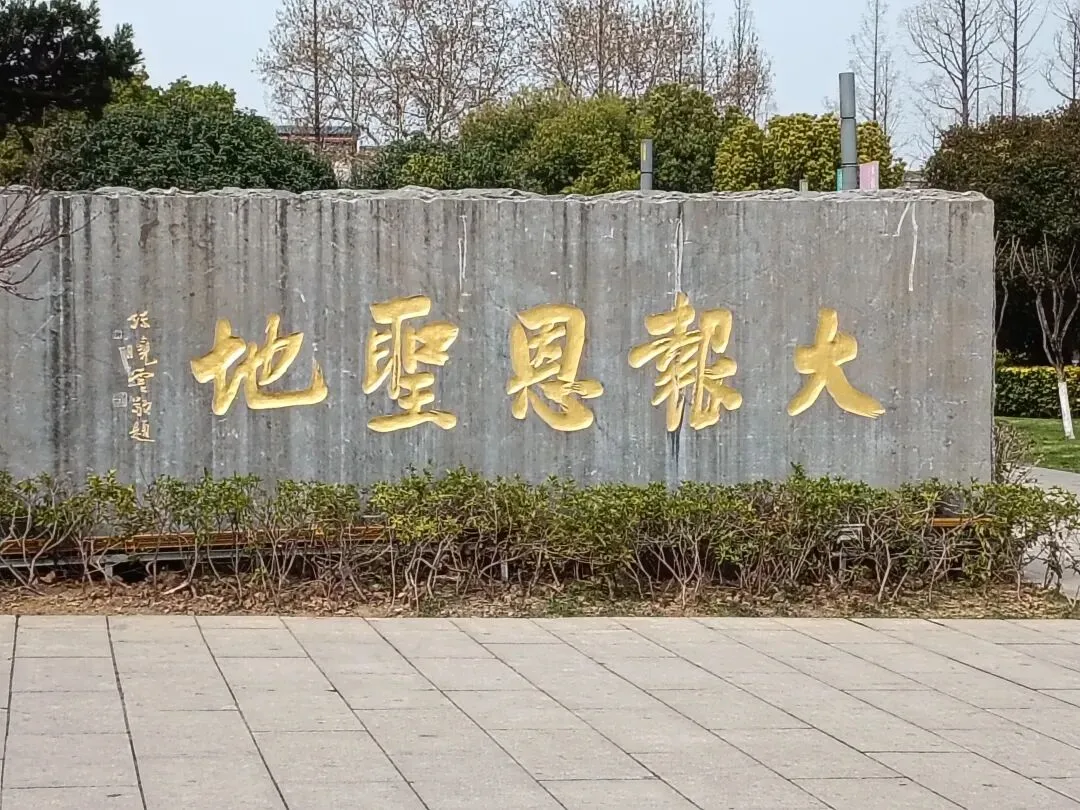
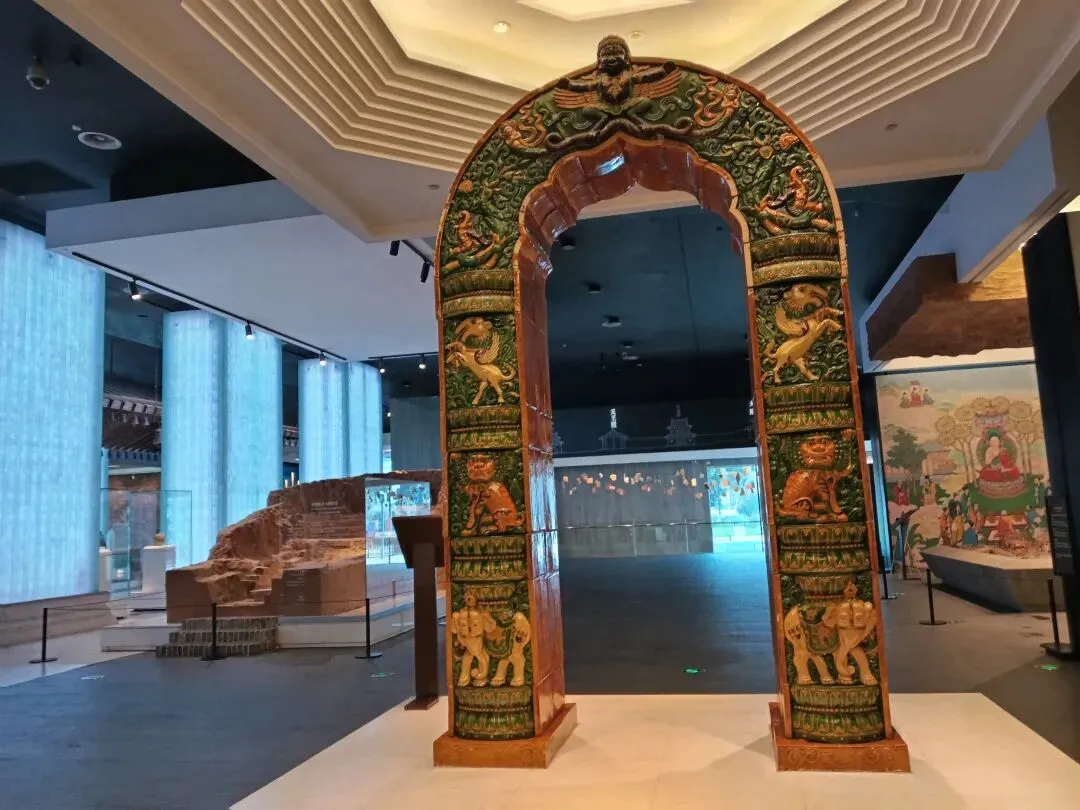
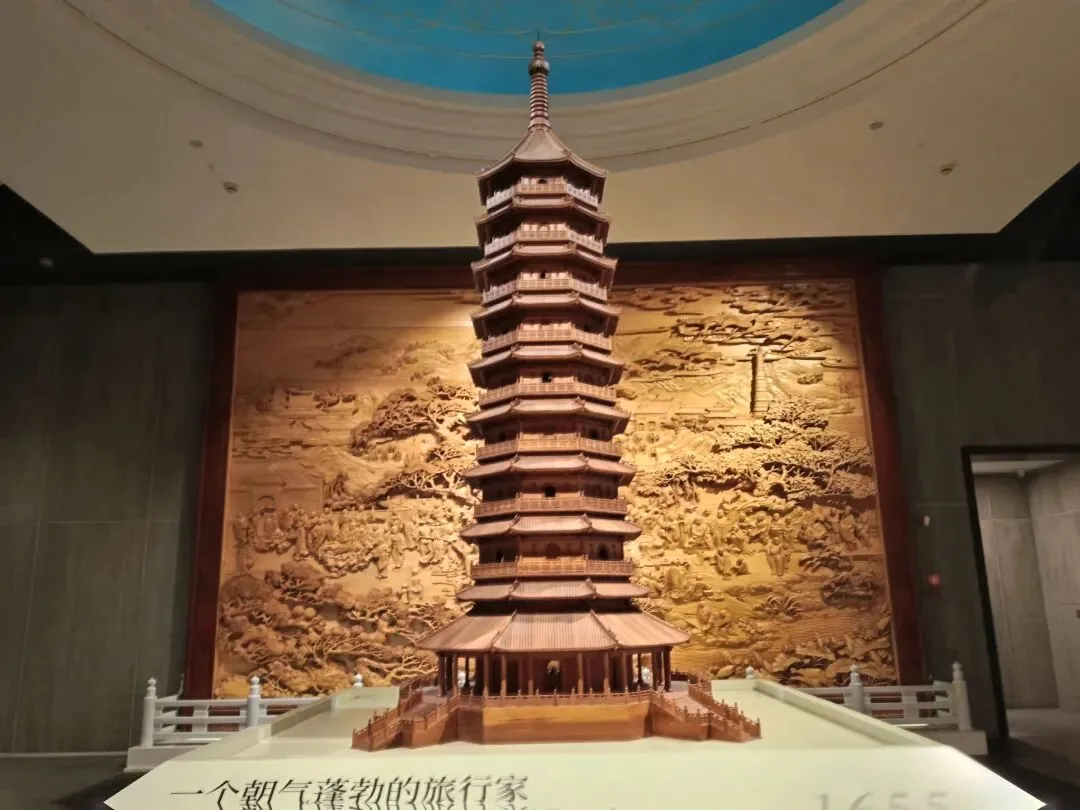
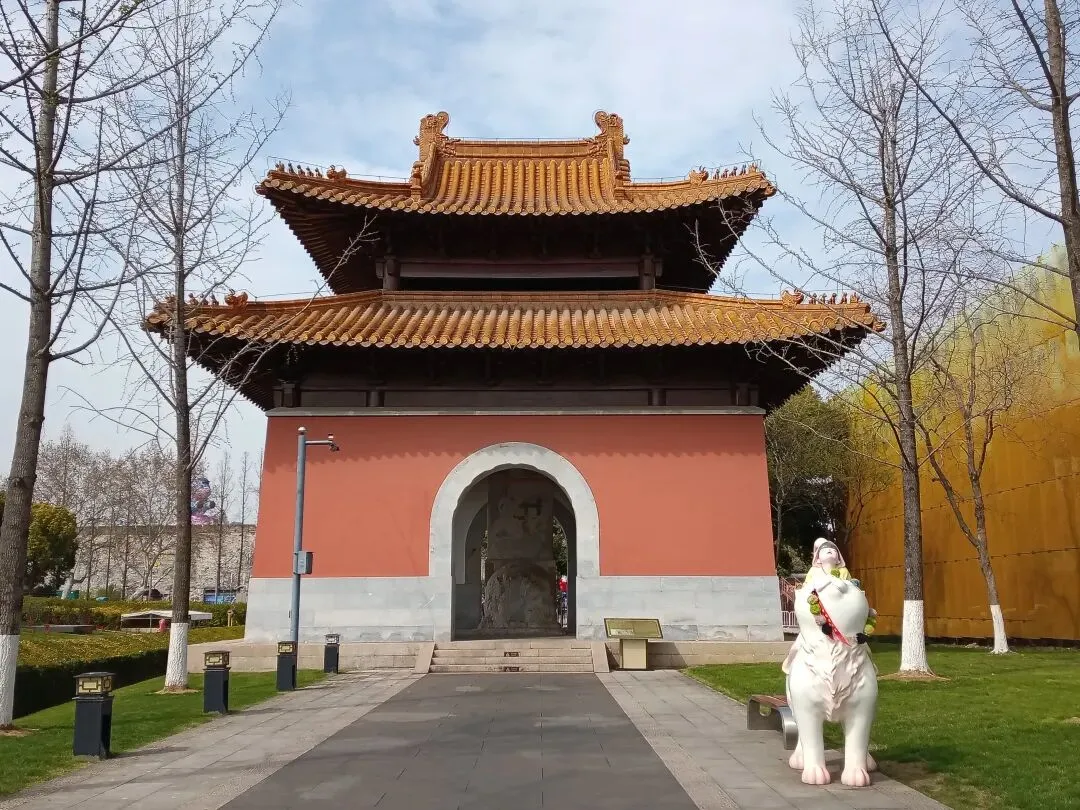
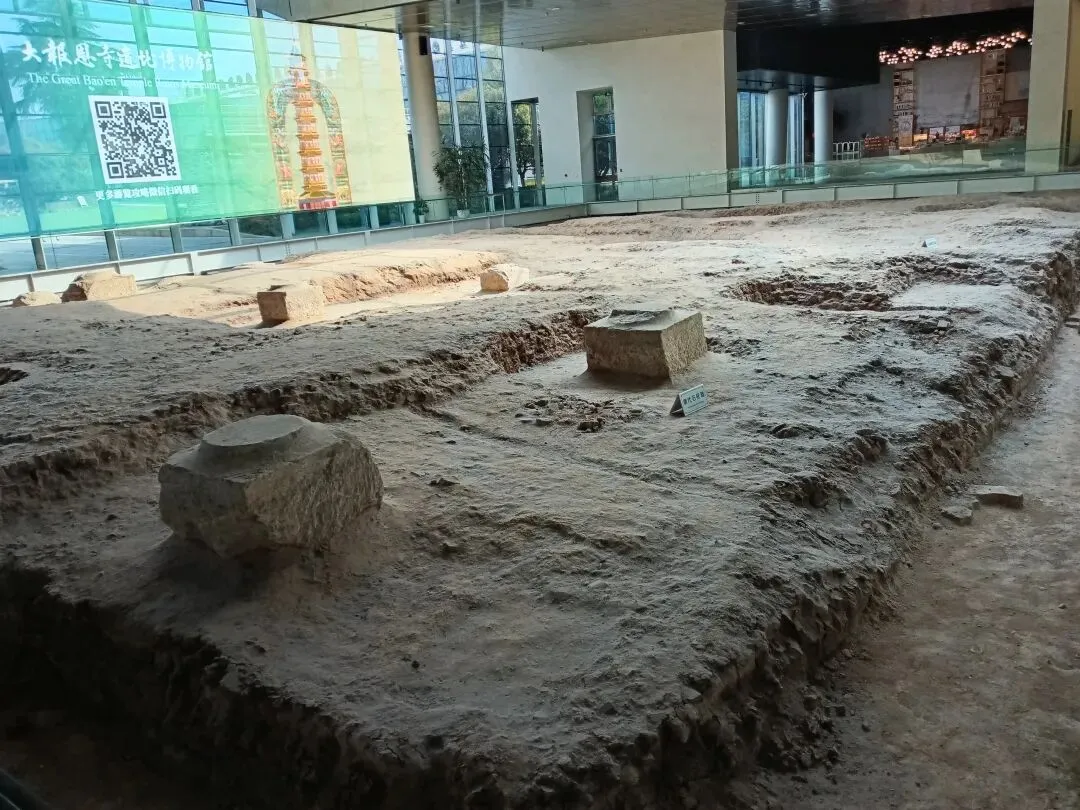 Changgan Lane, also known as the Buddha Lane, is a sacred place of Buddhism in Jiangnan, the region south of the Yangtze River. Jianchu Temple(建初寺), built in tha Easterm Wu period, and later rebuilt and renamed as Changgan Temple(长干寺) in Jin Dynasty. In Song Dynasty, Changgan Temple was rebuill and soon renamed Tianxi Temple. During Emperor Yongle's reign of Ming Dynasty, Grand Bao'en Temple was built on the site of Changgan Temple on an imperial scale, making it the greatest Buddhist tempie in China. The Glazed Pagoda was especially magnificent and had long been regarded as a symbol of Chinese architecture. Unfortunately it was destroyed during the Taiping Rebellion.
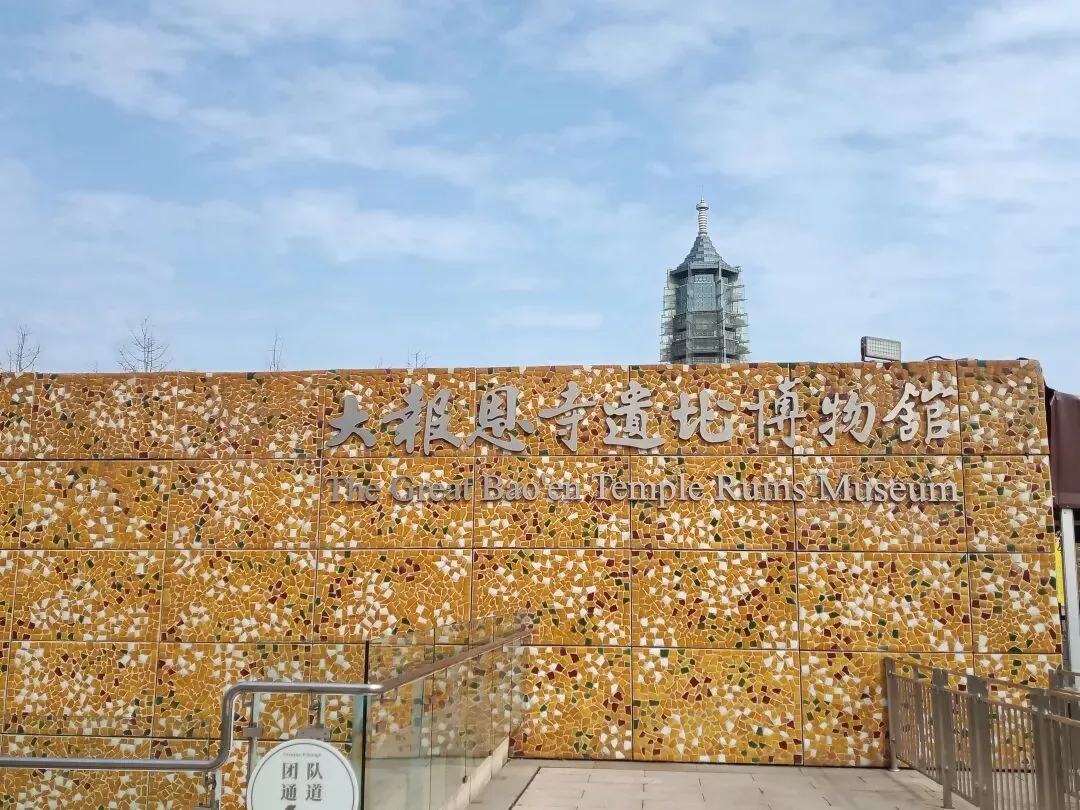
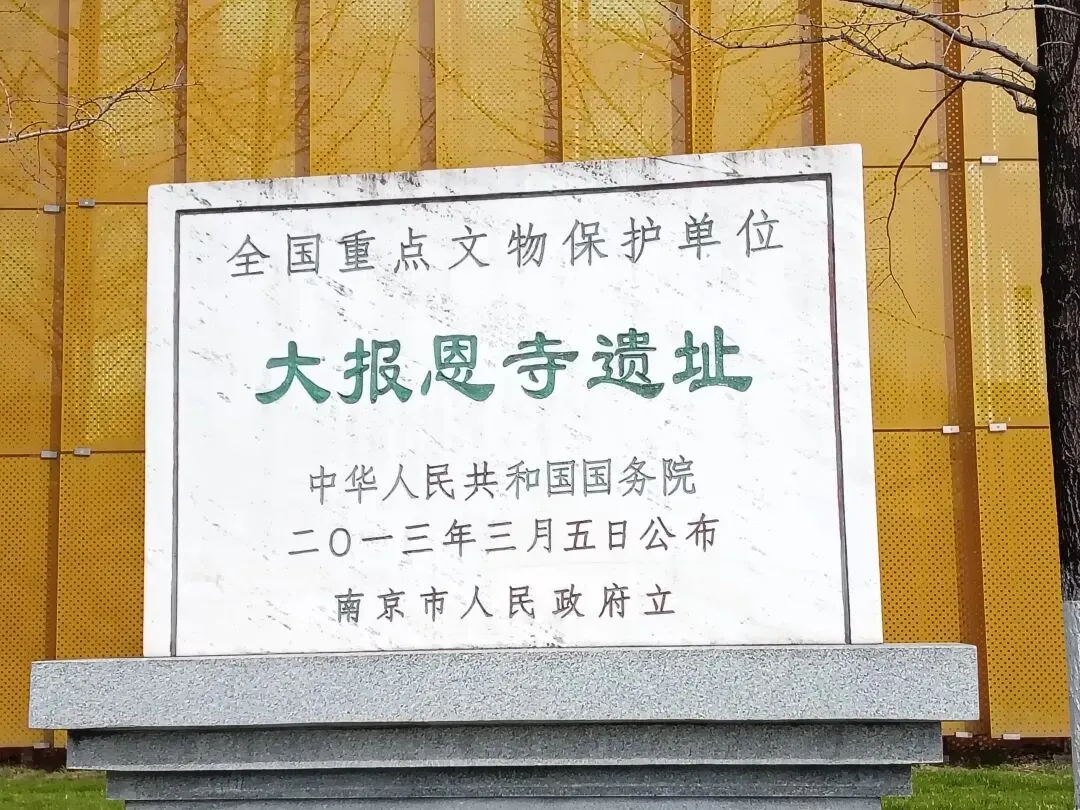
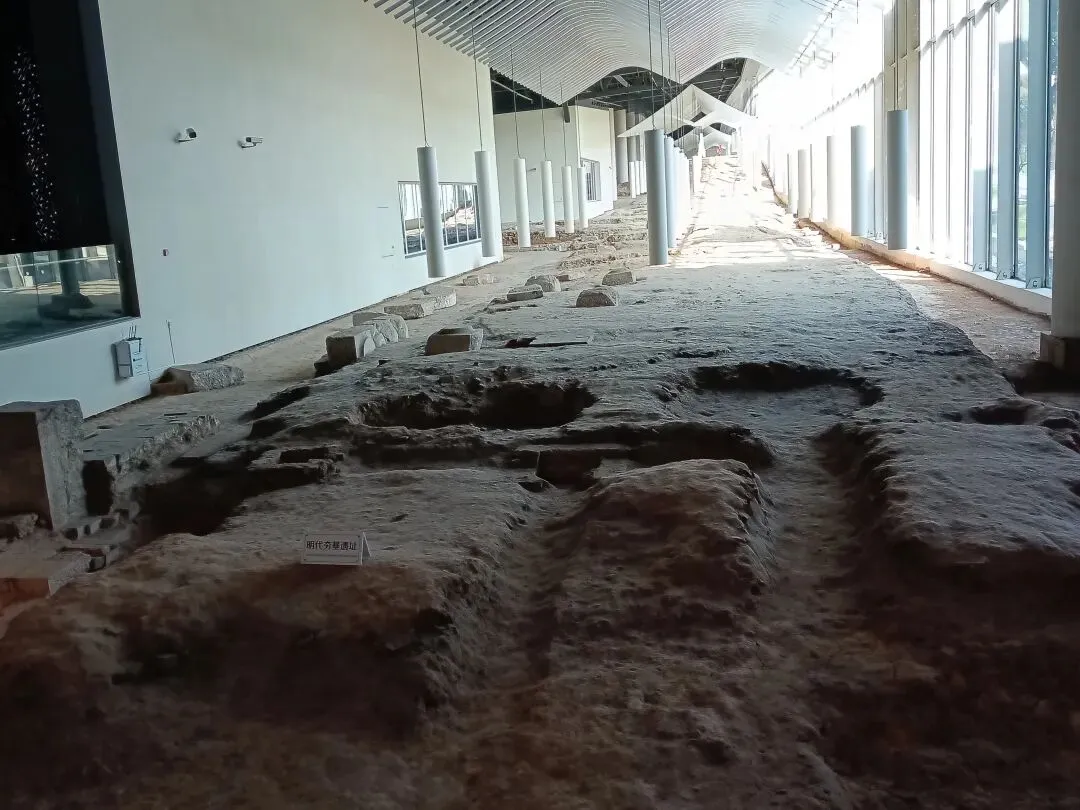
 Since 2007, important archeological discoveries have been made on the site of Grand Bao'en Temple. In 2010 a sarira of the parietal bone of Buddha was unearthed here, which made it one of the Top Ten Archaeological Discoveries of the year in China. In 2013, the site of Grand Bao'en Temple was designated as National Cultural Heritage Site. In the year of 2015, it is at this historical moment that the Great Bao'en Temple Ruins Museum was established.
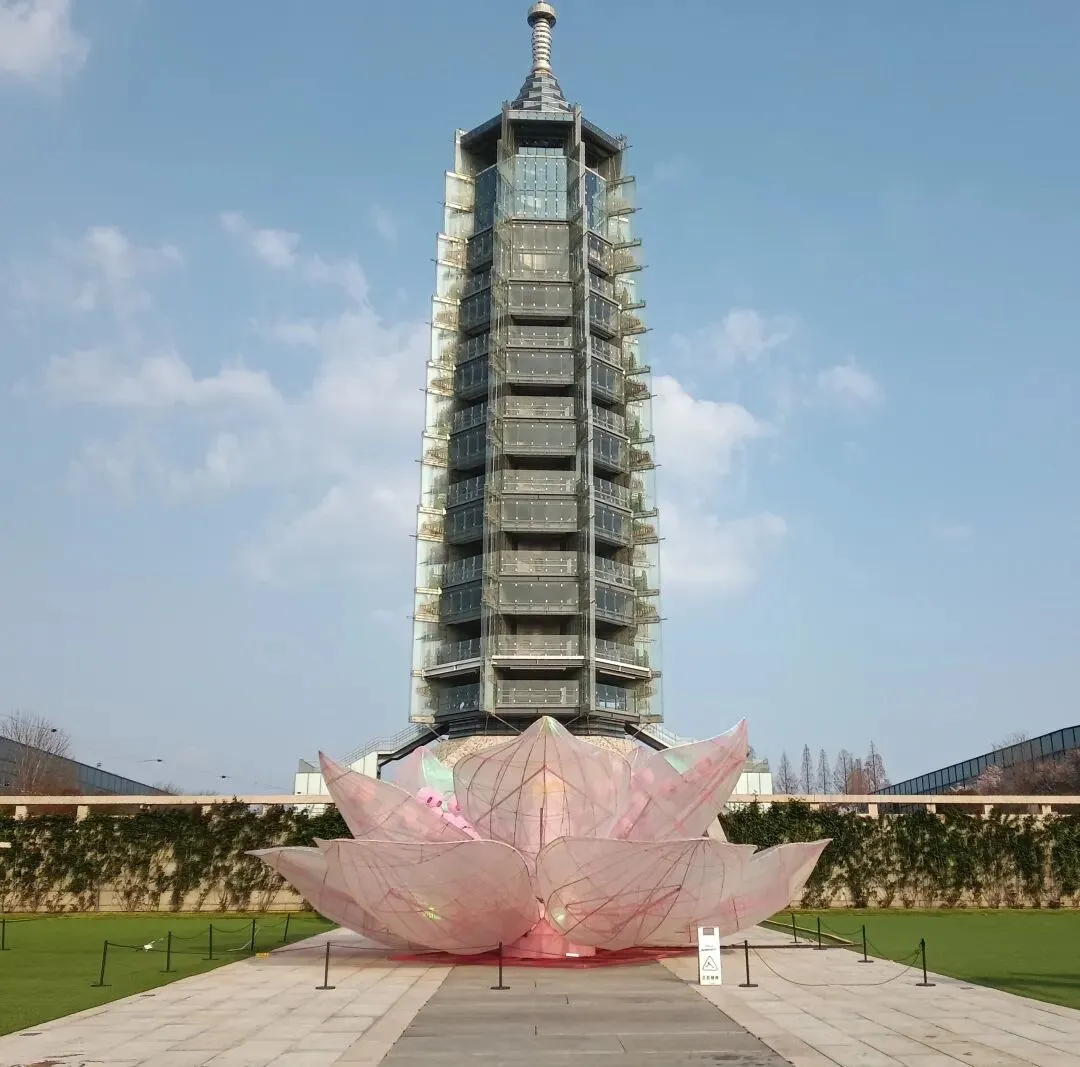
The designer abandoned the traditional reconstruction model and, with the concept of lightweight, transparent and poetic, created a suspended tower using glass and steel structures. During the daytime, sunlight penetrates the glass curtain wall, casting dappled shadows on the ground. At nighttime, the lights outline the shape of the tower, as if the glazed pagoda has been reborn in the darkness. This interplay of reality and illusion design not only protects the underground ruins but also interprets traditional aesthetics in modern language.
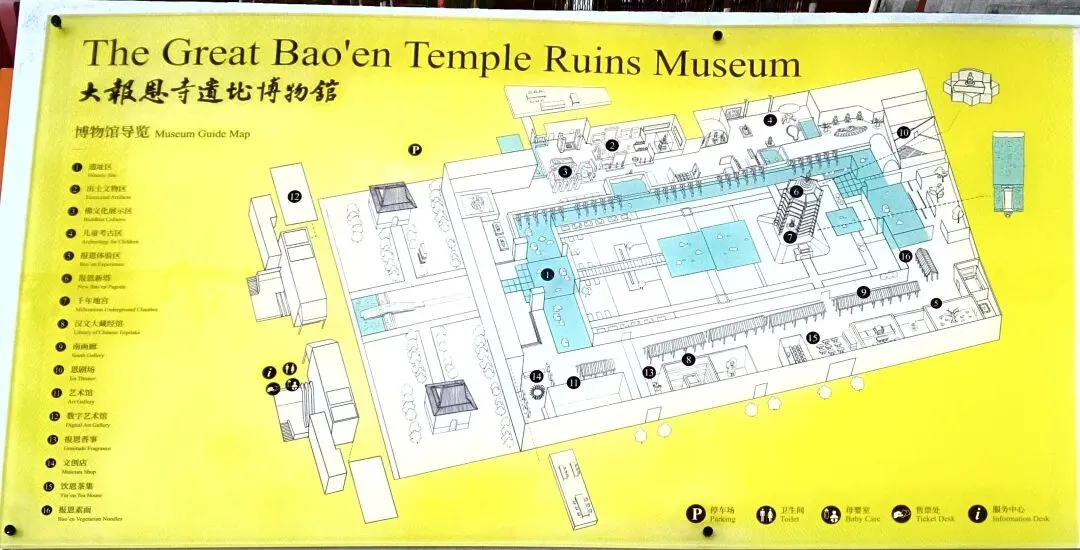
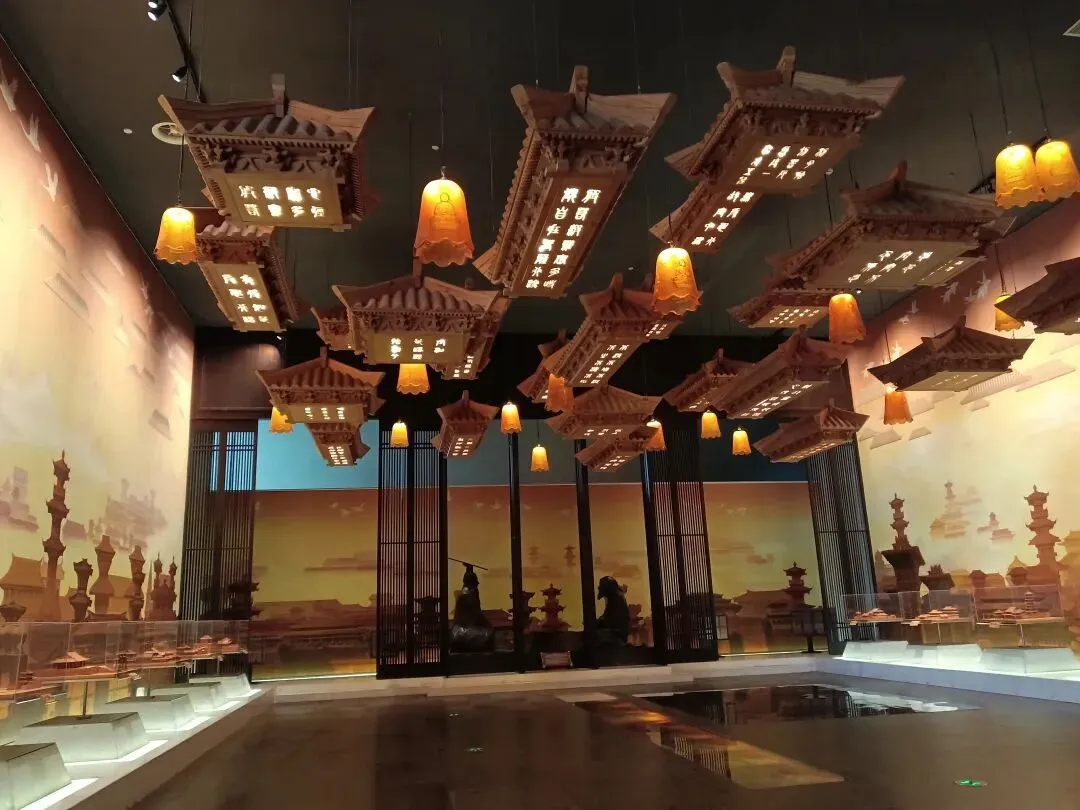
Inside the museum, technology and cultural relics dance together. Holographic projection technology enables the construction process of the glazed pagoda to be recreated before our eyes. The AR interactive installation enables visitors to touch the scriptures from a thousand years ago. Above the ruins of the underground palace, the transparent glass walkway makes visitors feel as if we are walking on history. The most astonishing is the "Tree of Life" art installation, a huge tree woven from optical fibers shines in the darkness, with the verses of the Diamond Sutra flowing among its branches and leaves, transforming the Buddhist philosophy of emptiness into a visual art of light and shadow.
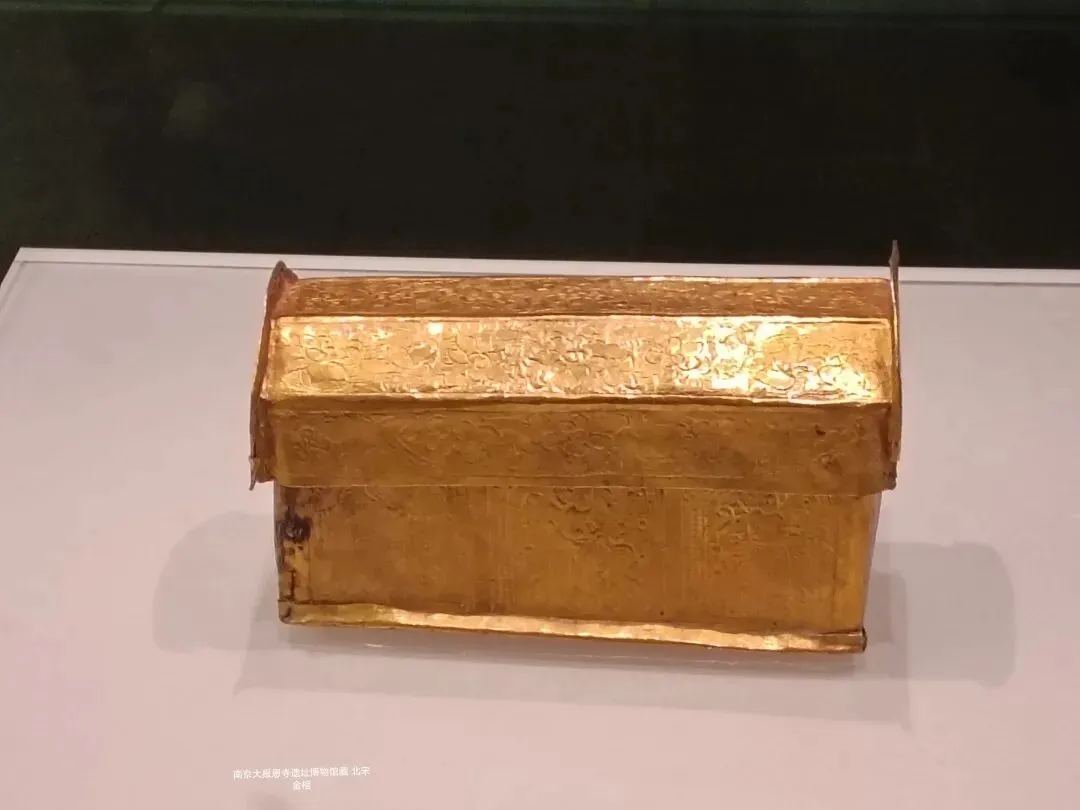
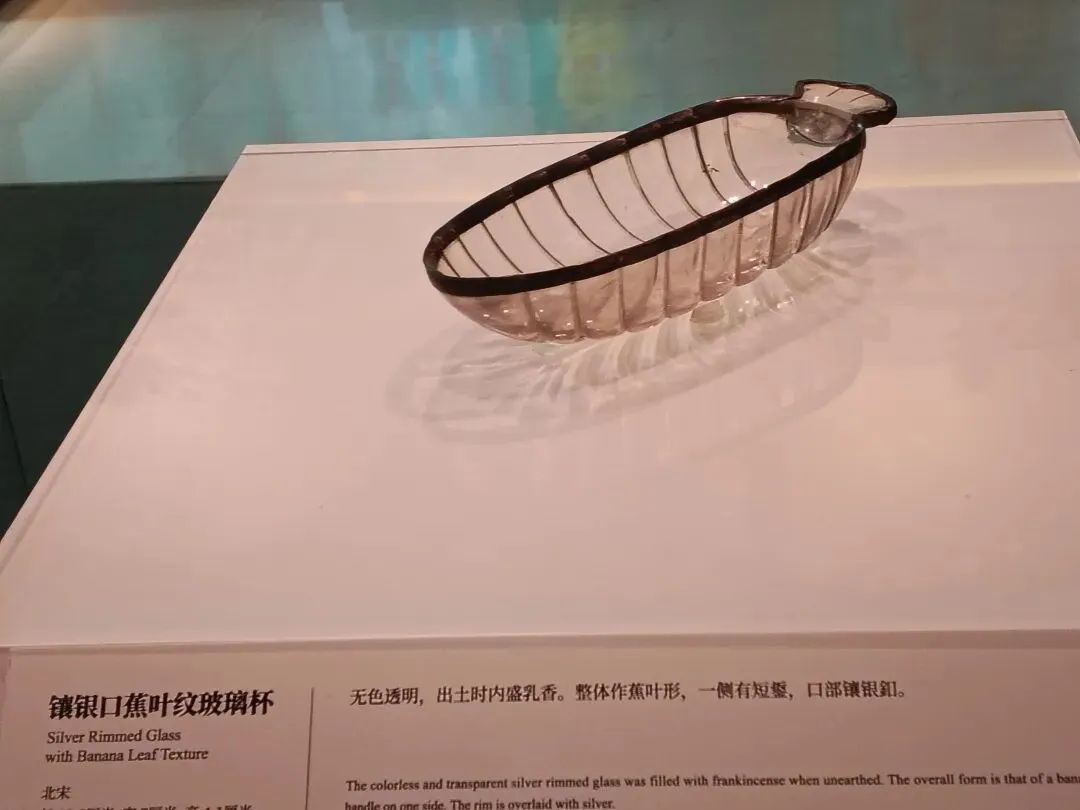
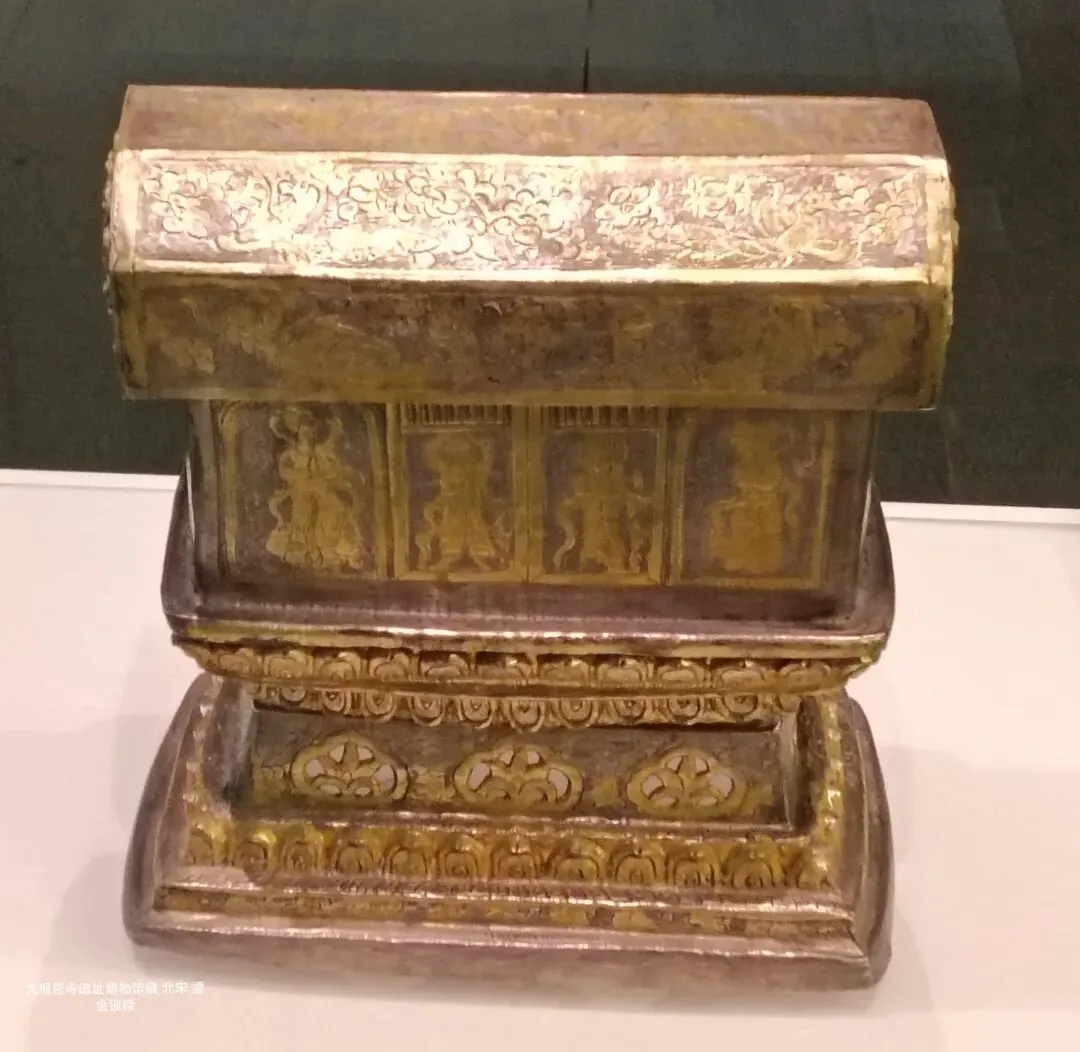
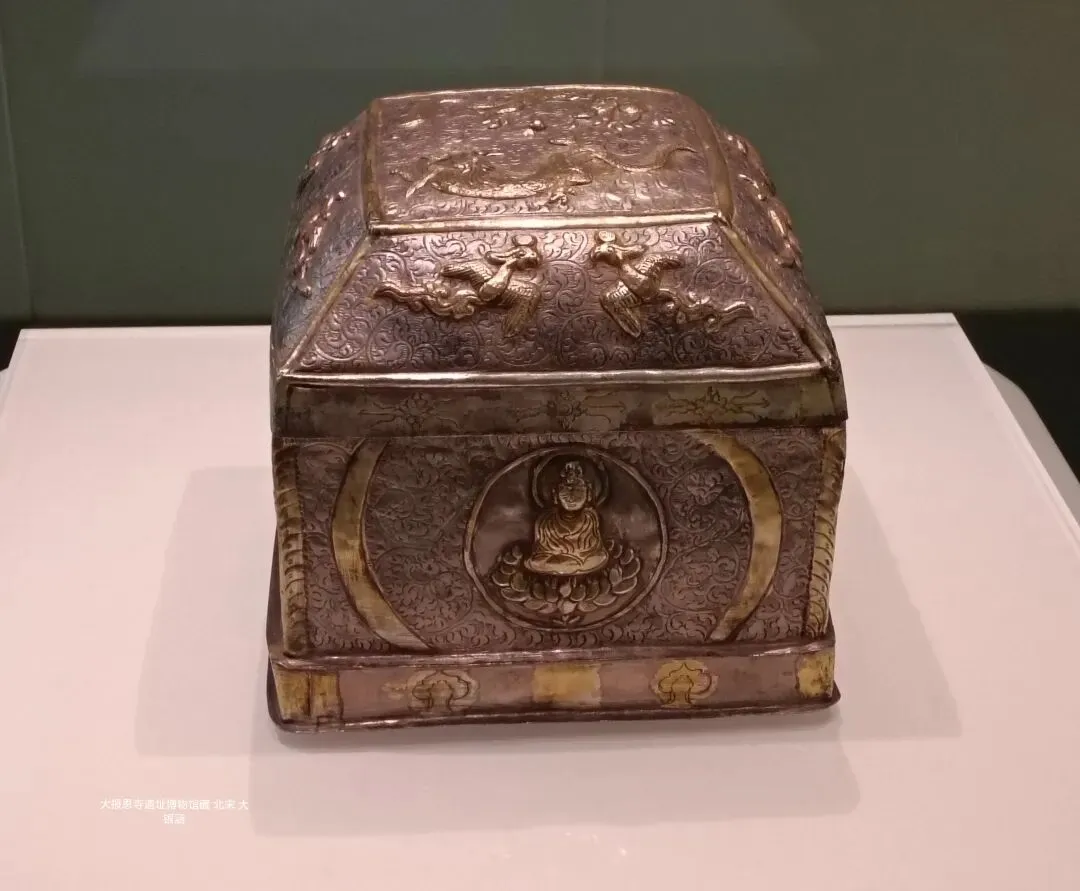
The museum's most prized possession is undoubtedly the Seven-treasure Ashoka Pagoda unearthed from the underground palace. This silver pagoda, which is entirely gilded, stands 1.2 meters tall. Its body is inlaid with 452 gemstones, and inside it houses one of the five remaining Buddha's top bones in the world. Another treasure is the stone box of the underground palace of Changgan Temple in Song Dynasty, on which the inscriptions record the historical changes of the temple.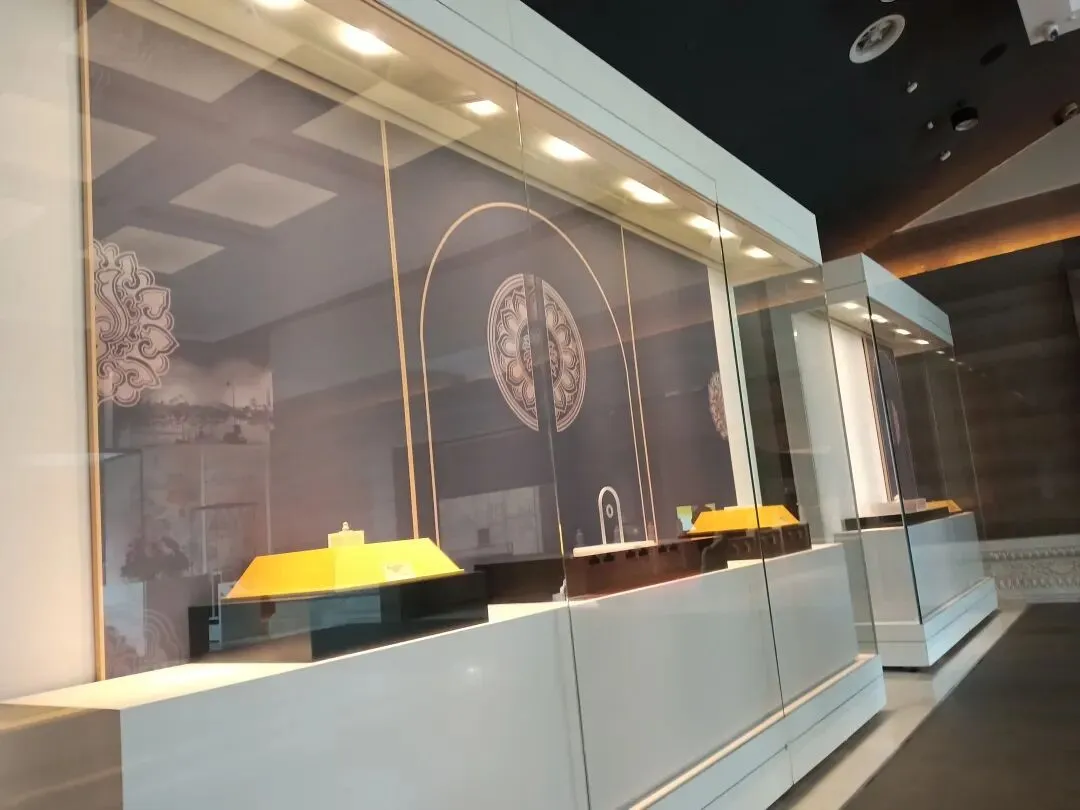 In the "Silk Road Cultural Relics Exhibition", glassware and gold and silver wares from Persia and Byzantium(拜占庭) bear witness to the prosperity of Nanjing as an important node of the "Maritime Silk Road". The beaded pattern on a Tang Dynasty glazed vase echoes the decoration of the Glazed Pagoda in the Great Bao'en Temple, suggesting the integration of Eastern and Western aesthetics in Nanjing.
The Great Bao'en Temple Ruins Museum is not only a guardian of history but also a cultural living room of Nanjing. Here, activities such as Zen tea experiences and guqin performances are held regularly, integrating traditional culture into modern life. The night tour project "Glazed Night Banquet" combines light shows with live performances. Tourists can take a boat along the Qinhuai River to enjoy the light and shadow on both banks. Finally, they can taste vegetarian food in the museum and experience the poetic scene of "the midnight bell tolling to the passenger ship".
The cultural and creative area of the museum is equally ingenious. Ice cream inspired by the glass tower, sachets incorporating elements of scriptures, and a 3D-printed mini Ashoka Tower. These cultural and creative products make history within reach. The "Digital Sutra Repository" project, through blockchain technology, transforms scriptures into collectible digital artworks, attracting the attention of young people to traditional culture. Seeing is believing and visiting is a great way to learn and explore.