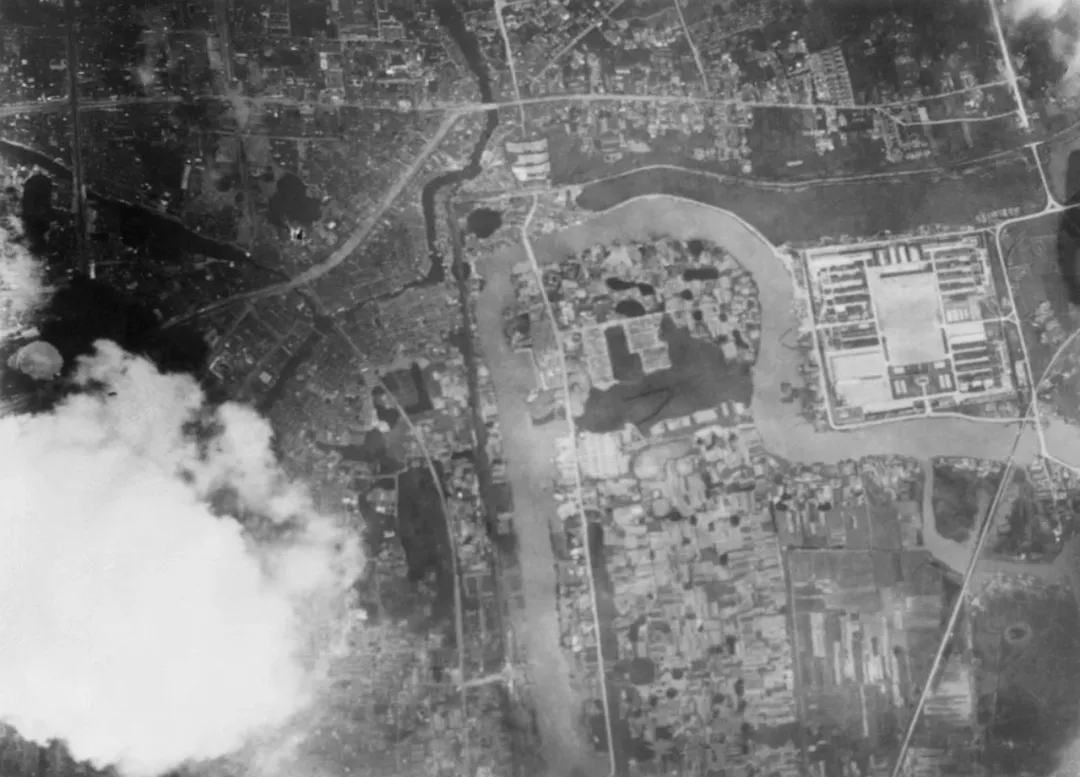
1932年2月2日,中国外交部向中国驻美公使馆发送了本份电报,告知其日本海军于前一天夜晚突然从长江炮击南京,附带被袭击的具体地点,以及中国守军为避免局势升级而没有还击,谴责并抗议日本政府一而再再而三地违反国际法。
[Nanking,] February 2, 1932.
(南京)1932年2月2日
The Japanese warships at Shiakwen, Nanking, on February 1, at 11 o’clock p.m., suddenly bombarded Nanking without warning. Eight shots were fired and by the use of searchlights, they made several hits on the Lion Hill Forts, Shiakwen Railway Station, Pei-Chi-Ko, Tsin-Lian-Shan, and Mo-Fu-Shan. In the meantime, machine guns and rifles were also brought to action by the Japanese. This was continued until after midnight, when firing ceased. Desirous to avoid collision, the Chinese troops refrained from returning fire.
2月1日晚上11点,位于南京下关的日本军舰突然毫无预警炮击了南京城。日军发射了8枚炮弹,并且使用了探照灯,日军多发炮弹击中了狮子山堡垒、下关火车站、北极阁、清凉山和幕府山。与此同时,日军还使用机关枪和步枪射击。日军直到午夜后才停火。中国军队为避免冲突,没有还击。
At this juncture when the Chinese nationals are in high indignation against the Shanghai ruthless attacks perpetrated by the Japanese, in defiance of the decision of the League of Nations, the Nine Power Treaty, and the Kellogg Pact, the Japanese, to aggravate the situation, again bombarded the Chinese National capital without any provocation.
日本违反国联决议、《九国公约》和《非战条约》对上海发动了惨无人道的攻击,本就令中国国民感到格外愤怒,此时又无端轰炸了中国国都,导致局势进一步恶化。
The Chinese National Government has made to the Japanese a solemn protest and reserved all rights for appropriate demands in future.
中国国民政府向日本发出严正抗议,并保留一切在未来索取恰当赔偿的权利。
声明:本人仅按照原文翻译内容,文件内容不代表本人观点。此专栏仅供历史和英语交流学习使用,任何读者皆可引用本人的译本。
希望来学习英语的观众明白:我觉得这些专栏的主要精华在于英语原文,而并非我的译本,我的译本很大程度上只是供来学习历史的观众使用的。本人的英语水平一般,翻译得并不会多么精彩,只能在你看不懂时来帮助你了解这些演讲内容最基本的意思,而且翻译时难免会出现差错,切勿直接完全以我的译本为标准。如发现有翻译错误或者歧义内容,欢迎指正。
希望来学习历史的观众明白:任何历史人物都有一定的局限性,随着时代发展,很多观点看法可能已经不再适用今天的世界,西方的观点也不一定适用于我们。通过了解这些演讲,仅可给我们提供一个更全面了解过去和世界的渠道。我们可以从优秀的历史、当代人物身上学到很多,但是请保持独立思考,理性看待演讲内容,切勿全信或将其奉为真理。